Tattoo culture has evolved dramatically over the past two decades. What was once viewed as niche or rebellious is now widely accepted as a mainstream form of personal storytelling. Alongside this cultural shift, technology has reshaped how designs are created, refined, and approved before they ever reach the skin.
Tattoos no longer begin solely with a pencil sketch and a lengthy consultation. Digital tools now allow individuals to experiment with ideas instantly, visualise placements, and explore stylistic variations without immediate commitment. Generative platforms have introduced a level of accessibility that reduces the gap between concept and final artwork.
Changing Expectations Around Personalisation
Social media platforms provide endless inspiration, yet inspiration alone does not translate into a cohesive design. Many clients struggle to articulate what they want beyond a collection of saved images. Digital tools help bridge that gap by transforming abstract ideas into tangible drafts.
There is also a growing expectation of immediacy. People are accustomed to real-time previews and rapid revisions across other creative industries. Tattoo design has adapted accordingly, offering faster iterations while maintaining artistic standards.
Expanding Access to Creative Exploration
Digital experimentation enables individuals without drawing skills to actively participate in the design process. They can explore fonts, symbols, fine-line styles, realism, or illustrative concepts without financial risk during early development stages.
This increased access has made tattoo culture more inclusive. People who once felt uncertain about approaching a studio now arrive with clearer references and stronger creative direction.
How Digital Tools Changed Tattoo Design Workflows
Tattoo studios across the UK have gradually integrated digital processes into their daily routines. While traditional artistry remains central, early-stage drafting and revision have become significantly more efficient through digital support.
The shift has been driven largely by time management, cost efficiency, and clearer communication between artist and client.
From Paper Sketches to Digital Drafts
Hand-drawn stencils and physical portfolios were once standard practice. Redrawing complex pieces for minor adjustments could add hours to preparation time. Each revision required fresh materials and additional scheduling.
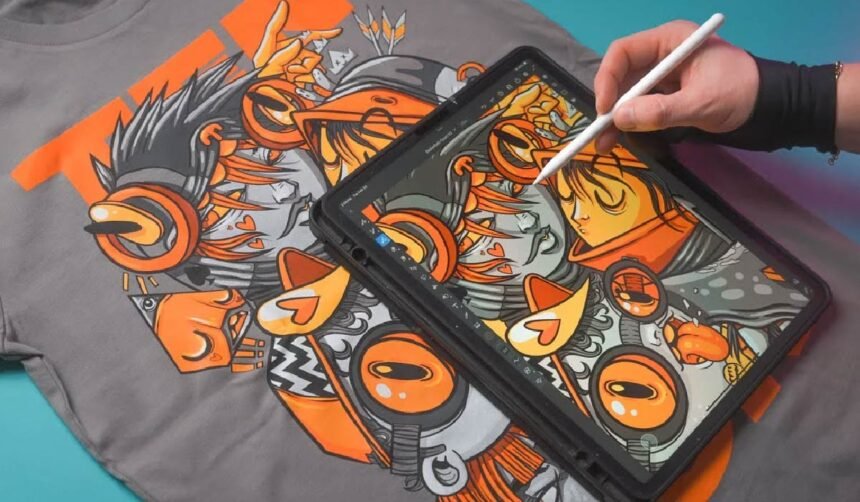
Digital tablets now allow artists to modify line weight, resize elements, or test composition changes without starting again from scratch. Designs can be layered, duplicated, and adjusted quickly, reducing frustration during the feedback process.
Software That Speeds Up Revisions
Programmes such as Adobe Photoshop and Illustrator are widely used in UK studios. These tools allow precise control over detail, shading, symmetry, and proportion. Clients benefit from seeing immediate visual comparisons between variations.
Digital archiving has also improved studio organisation. Previous drafts can be retrieved easily, making long-term projects more manageable and structured.
AI-Assisted Design Platforms in Creative Industries
Generative AI has expanded beyond graphic design into many visual disciplines, including tattoo concept development. These tools are often used at the brainstorming stage, helping to visualise ideas rapidly before refinement begins.
While AI accelerates exploration, professional tattoo artists still guide the final result.
Generative Tools as a Starting Point
Platforms such as Adobe’s AI tattoo generator allow users to describe a concept and receive multiple visual interpretations within seconds. Clients who struggle to explain specific imagery can now use prompts to generate clear reference drafts.
This workflow accelerates early exploration. Ideas that once required several rounds of sketching can be visualised quickly, helping narrow down direction before consultation.
Designers across creative industries report using AI as a preliminary step for ideation. In tattooing, the same principle applies. The technology supports clarity of concept without replacing artistic input.
The Importance of Human Refinement
Skin behaves differently from digital canvases. Line depth, needle technique, ink saturation, and long-term healing all influence how a tattoo ages. AI drafts do not account for these practical factors.
Most UK studios treat generative outputs as reference material rather than final artwork. Artists redraw, simplify, and structurally adjust designs to ensure they translate effectively onto skin. Hybrid workflows combine technological efficiency with technical expertise.
Legal and ethical considerations are also being discussed within the industry. Ownership of generated designs, concerns about originality, and documentation of edits are increasingly addressed in studio agreements.
Practical Considerations for Digital Tattoo Design
While digital tools offer flexibility, practical details still determine the final outcome’s quality. Clear technical preparation prevents delays and misunderstandings.
Clients and studios share responsibility in maintaining professional standards during digital exchanges.
File Quality and Format
Most UK studios request high-resolution PNG or SVG files. Low-resolution screenshots taken from social media often result in blurred lines and compression artefacts. Enlarging compressed images can distort detail, particularly in fine-line designs.
Submitting correctly formatted files reduces revision time and improves stencil clarity. Early clarification on resolution requirements prevents unnecessary setbacks.
Colour Translation from Screen to Skin
Digital displays show colours using light, whereas tattoos rely on pigment embedded in skin. This difference means some tones appear less vibrant after healing. Bright blues, purples, and neon-inspired hues may soften noticeably.
Artists frequently guide clients toward balanced colour choices that maintain contrast and longevity. Digital mock-ups help visualise ideas, yet real-world pigment behaviour ultimately determines final appearance.
Copyright and Usage Rights
Tattoo designs are protected by copyright law. Studio contracts typically outline whether artists retain rights to share work in portfolios or online platforms. Some clients request exclusive ownership of custom pieces.
Clear written agreements prevent disputes. Transparency around usage rights protects both creative professionals and clients in an increasingly digital environment.
Client Experience in a Digital Tattoo Era
Technology has reshaped how people interact with tattoo studios long before appointment day. Initial consultations, mood boards, and reference sharing often happen online.
Remote previews allow clients outside major cities to collaborate more easily with artists. Digital communication reduces pressure during in-person meetings and allows ideas to be refined beforehand.
At the same time, rapid previews can create unrealistic expectations about turnaround speed. While concept drafts may appear quickly, tattoo application remains a careful and time-intensive craft. Managing expectations remains part of professional practice.
Balancing Technology and Craftsmanship in Modern Tattooing
Digital innovation has expanded the possibilities of custom ink design. Concept development now happens faster, visual clarity has improved, and creative access has widened.
Despite these advancements, craftsmanship remains central to tattooing. Professional judgment, experience, and technical precision determine how well a design ages and heals. Technology assists the process, but it does not replace the artist’s skill.
Studios that combine digital efficiency with hands-on expertise offer the strongest outcomes. When innovation supports rather than overrides craftsmanship, clients benefit from a collaborative and informed design journey. The result is a tattoo process that reflects contemporary digital culture while preserving the permanence and artistry that define the medium.