



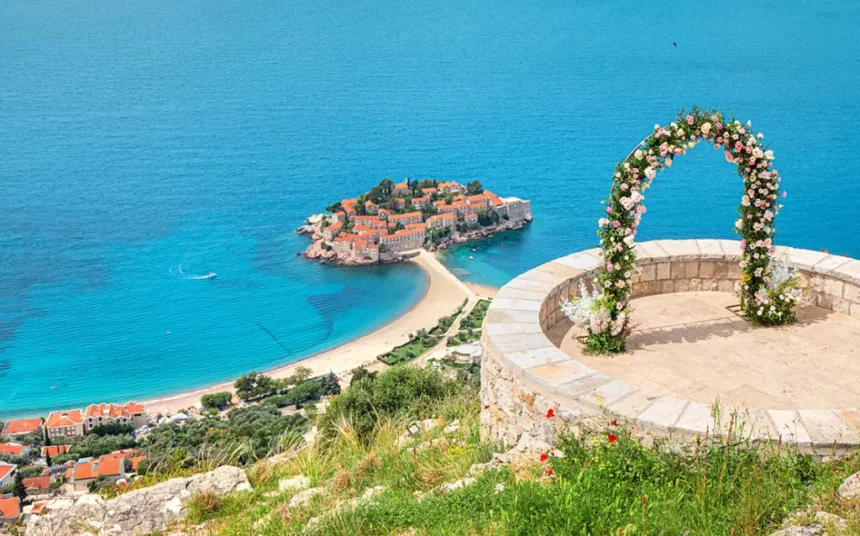
The landscape of the global events industry has shifted dramatically over the past few years. While traditional hubs like Paris, Rome, or the Amalfi Coast continue to attract a steady stream of couples and event planners, a new frontier has emerged in Central Europe. Cities that were once considered “off the beaten path” are now leading the charge in the destination wedding and corporate event sector. This surge in popularity is driven by a unique combination of historical grandeur, world-class hospitality, and a level of affordability that is increasingly difficult to find in Western Europe’s capital cities.
The strategic appeal of urban event planning
For a modern couple or a corporate event manager, the decision to host an event abroad is no longer just about the scenery; it is a complex logistical and financial calculation. Planning a large-scale celebration requires a delicate balance of aesthetics, accessibility, and professional service. Central European capitals have invested heavily in their infrastructure, transforming old industrial spaces into luxury lofts and restoring baroque palaces to their former glory. This architectural diversity allows for a level of customization that is highly sought after in an era where “cookie-cutter” events are no longer acceptable.
The appeal of these cities lies in their ability to offer a high-end experience without the exorbitant price tag associated with more traditional destinations. From boutique hotels to Michelin-starred catering, the value proposition is undeniable. However, navigating the local market in a foreign country can be daunting. This is why many international planners rely on specialized digital resources. Platforms like the Polish atrakcje weselne portal have become essential for those looking to discover unique entertainment options, from folk-inspired performances to modern light shows, ensuring that every event has a distinct local character that resonates with guests.
Warsaw as a premier destination for international celebrations
Among the rising stars of the European event scene, the Polish capital stands out as a particularly compelling choice. Often described as a city of contrasts, it seamlessly blends reconstructed history with cutting-edge modernism. For an event planner, this means the ability to host a rehearsal dinner in a medieval cellar one night and a gala reception in a glass-walled skyscraper overlooking the Vistula River the next. The city’s dynamic energy is contagious, providing a backdrop that is both sophisticated and unexpectedly vibrant.
To truly appreciate the potential of a city like this, one must look beyond the standard tourist brochures. The most successful events are those that tap into the authentic “vibe” of the location. Local insights are crucial for finding the hidden courtyards of Praga or the most picturesque spots in the Royal Łazienki Park. Dedicated urban guides, such as the MojaWarszawa.top portal, provide a deep dive into the city’s lifestyle, helping organizers and their guests find the best local attractions, dining spots, and cultural landmarks. Having access to such localized knowledge transforms a standard trip into a memorable experience, allowing guests to feel like “temporary locals” rather than just tourists.
The importance of experiential entertainment in modern events
In 2026, the success of an event is measured by the quality of the experience it provides. Guests are no longer satisfied with just a good meal and a standard playlist; they crave immersion and participation. This has led to a boom in experiential entertainment. Interactive food stations, personalized scent bars, and live artistic performances are becoming the norm.
In the context of destination weddings, this often involves incorporating local traditions in a modern way. For example, a wedding in Central Europe might feature a contemporary take on traditional folk music or a tasting menu of regional spirits. These elements create “Instagrammable” moments that are unique to the location, providing a level of social currency that is highly valued by younger generations. The logistical challenge is finding vendors who can bridge the gap between traditional craftsmanship and modern professional standards—a task made much easier by the specialized industry directories mentioned earlier.
Logistics and accessibility: the pillars of a successful destination trip
One of the primary reasons for the shift toward cities like Warsaw is their logistical efficiency. With major international airports and high-speed rail connections, these hubs are easily accessible for guests traveling from across Europe and beyond. Once on the ground, the efficiency of local transport and the high density of luxury accommodation options make the guest experience seamless.
Furthermore, the level of English proficiency among hospitality professionals in these regions is exceptionally high, removing one of the most common barriers to international event planning. This ease of communication extends to every level of the planning process, from negotiating with venues to coordinating with local florists and decorators. When guests arrive for a multi-day celebration, they find a city that is welcoming, easy to navigate, and full of unexpected delights, from high-end shopping districts to serene urban parks.
Conclusion: the future of celebratory travel
The trend toward destination events in Central European cities shows no signs of slowing down. As travelers continue to seek out authenticity and value, the “hidden gems” of the East are becoming the new standard-bearers for luxury and style. By combining a rich historical tapestry with a forward-thinking approach to hospitality and entertainment, these cities are proving that they can compete with—and often exceed—the world’s most established event destinations.
For those planning their next big milestone, whether personal or professional, the key to success lies in embracing the local culture and utilizing the wealth of digital resources available. By connecting with the right local vendors and staying informed through dedicated urban lifestyle portals, organizers can ensure that their event is not just a date on the calendar, but a landmark experience that will be discussed for years to come. The future of celebrations is diverse, digital, and decidedly international.
John Happington