



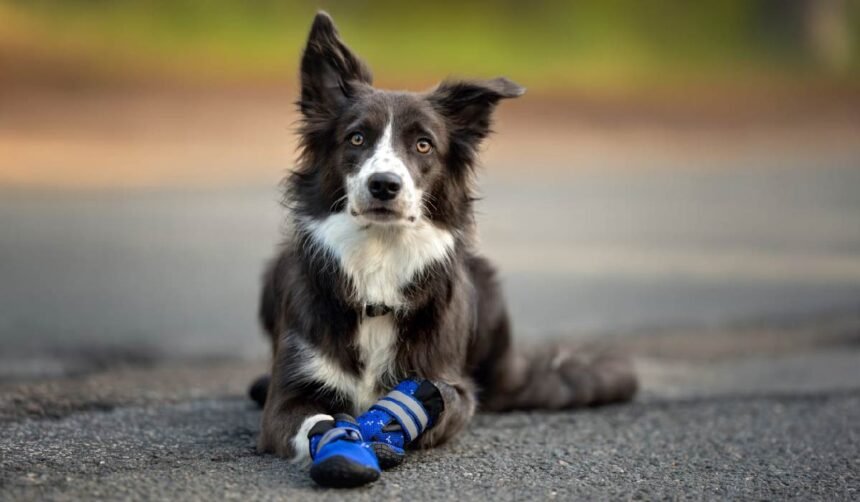
As dog lovers, we go the extra mile to ensure our furry friends are comfortable and protected. Whether it’s a hot summer day, a cold winter walk, or a hike on rugged terrain, the right footwear can make all the difference for your dog’s health and well-being. In this ultimate guide to dog shoes, we’ll explore why dog shoes are essential, how to choose the right pair for your dog, and review the best options available on Sovelivee.
Why Your Dog Needs Shoes
Dogs, like humans, have sensitive feet that can suffer from harsh conditions. Whether you’re walking on hot pavement, walking in icy weather, or hiking in rugged terrain, your dog’s paws are vulnerable to injury, irritation, and burns. Here are a few reasons why dog shoes are so important:
- Protection from Hot Surfaces: Asphalt and concrete can heat up quickly in the summer, leading to painful burns on your dog’s paws. Dog shoes are a must to protect against hot pavement.
- Winter Challenges: Snow, ice, and road salts can cause cracked and painful paw pads. Dog boots offer much-needed protection during the winter months.
- Traction on Slippery Surfaces: Slippery floors or wet sidewalks can cause your dog to slip and potentially injure themselves. Non-slip dog boots are perfect for these conditions.
- Prevents Cuts and Abrasions: If your dog enjoys outdoor adventures, dog shoes are great for protecting paws from cuts, thorns, and rough terrains.
Dog shoes are more than just a stylish accessory; they play an essential role in your dog’s health and comfort, no matter the season.
Types of Dog Shoes & When to Use Them
Choosing the right dog shoes depends on your dog’s needs, the weather, and the type of activities you’ll be doing. Here’s a breakdown of the different types of dog shoes you can choose from:
1 Breathable Dog Shoes & Mesh Dog Boots
Breathable dog shoes are perfect for summer walks or for dogs living in warmer climates. The mesh fabric allows air to circulate, keeping your dog’s paws cool and dry. These shoes are lightweight, flexible, and comfortable for your dog. Mesh dog boots are also a great choice for dogs with sensitive skin, as they reduce the risk of irritation.
2 Dog Shoes for Hot Pavement
Hot pavement can burn your dog’s paws in the summer, especially when the sun is at its peak. Dog shoes for hot pavement are designed with heat-resistant materials and thick soles to provide maximum protection. These shoes are built to withstand high temperatures while ensuring comfort for your dog.
3 Summer Dog Boots
Summer dog boots are typically lightweight and designed to provide paw protection against hot surfaces like sand, gravel, or asphalt. These shoes are perfect for long summer hikes or walks on hot trails. They are made to allow airflow, ensuring that your dog’s paws don’t overheat.
4 High Top Dog Boots
For dogs that need extra ankle support and full protection, high-top dog boots are the perfect solution. These boots cover the ankle area, offering additional protection for active dogs who love hiking, running, or playing on rough terrain.
5 Non-Slip Dog Boots
Non-slip dog boots are ideal for slippery surfaces like rainy sidewalks, icy streets, or slippery indoor floors. The soles are designed with strong traction to help your dog maintain grip, preventing slips and falls.
6 Dog Shoes for Small Dogs
Small dog breeds, like Chihuahuas and Yorkies, often need specially designed shoes to fit their tiny paws. These shoes are made with extra care to ensure a perfect fit while providing comfort and protection for small dog breeds.
How to Choose the Right Dog Shoes
Choosing the right dog shoes for your pet involves several factors. Here’s what you need to consider:
- Measure Paw Size: Before buying shoes, make sure you measure your dog’s paws. Measure both the length and width of the front and back paws to ensure a comfortable fit.
- Fit & Comfort: Dog shoes should be snug but not too tight. Look for shoes that offer a secure fit, so they stay in place during walks and playtime.
- Sole Type: Consider the sole material based on your dog’s activity level and environment. Choose between soft, flexible soles for everyday use or thicker, rugged soles for hiking and outdoor adventures.
- Season & Purpose: If your dog will be walking on hot pavement, consider shoes with heat-resistant soles. For winter, choose shoes with extra insulation and traction.
How to Help Your Dog Adjust to Shoes
It may take some time for your dog to adjust to wearing shoes. Here are a few tips to help the transition go smoothly:
- Start Slow: Introduce the shoes gradually. Begin by letting your dog wear the shoes indoors for short periods.
- Use Positive Reinforcement: Reward your dog with treats and praise when they wear the shoes to create a positive association.
- Monitor Comfort: Watch for signs of discomfort like limping or excessive paw licking. Ensure the shoes are the right size and fit comfortably.
Caring for Dog Shoes
To extend the lifespan of your dog shoes, here are a few care tips:
- Cleaning: Clean shoes regularly by wiping them down after each use or hand washing them in warm, soapy water.
- Storage: Store the shoes in a dry, cool place to prevent material degradation.
- Replacement: Regularly check for signs of wear and tear. Replace shoes when the soles are damaged or the shoes no longer fit properly.
Top Picks for Dog Shoes
If you’re ready to find the perfect pair of dog shoes, here’s a list of top picks for various needs:
- Breathable Dog Shoes: Lightweight and breathable for warm weather walks.
- Mesh Dog Boots for Small Dogs: Soft and comfortable boots for tiny paws.
- Summer Dog Boots: Keep your dog’s paws cool and protected during summer hikes.
- High Top Dog Boots: Extra ankle protection for active dogs.
- Non-Slip Dog Booties: Ensure stability on slippery surfaces.
Conclusion
Investing in the right dog shoes ensures your pet’s paws stay protected and comfortable throughout the year. Whether you’re dealing with hot pavement, winter snow, or rugged hiking trails, dog shoes are an essential accessory for your furry friend. Make sure to choose the right shoes based on your dog’s size, activity level, and the weather to keep them safe and happy.
FAQs
Q: Do dogs really need shoes?
Yes! Dog shoes help protect your dog’s paws from hot pavement, ice, sharp objects, and slippery surfaces.
Q: How do I size dog shoes?
Measure the length and width of your dog’s paws, and compare these measurements with the sizing chart provided by the shoe manufacturer.
Q: Can dogs wear shoes indoors?
While not necessary for indoor use, shoes can protect against harsh indoor surfaces like tile or hardwood, especially if your dog has sensitive paws.
Q: Are there shoes for all weather?
Yes! There are dog shoes for all seasons, including breathable shoes for summer and insulated boots for winter.