



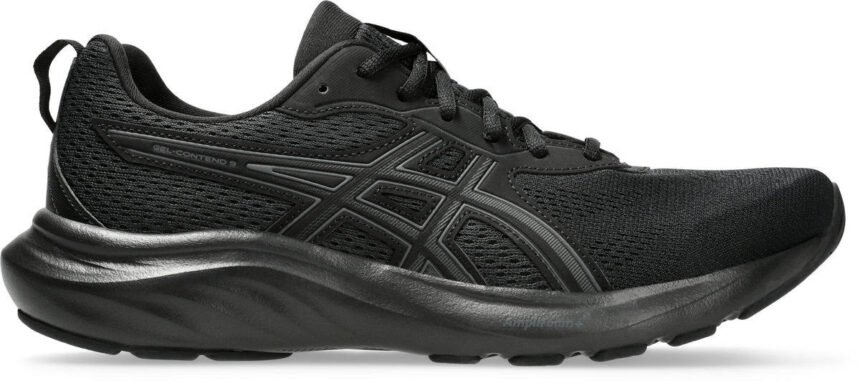
When it comes to selecting running shoes, comfort and performance are key considerations for both professional athletes and casual runners. The right pair of running shoes can help prevent injuries, enhance efficiency, and provide the necessary support for your feet, making your running experience more enjoyable.
Understanding Your Foot Type
Before purchasing running shoes, it is crucial to understand your foot type. Different foot types require different types of support to ensure a comfortable running experience. Typically, feet are categorised into three main types: neutral, overpronation, and supination. Identifying your foot type allows you to select shoes that provide the right balance and support for your specific needs.
The Importance of Shoe Material
The material of running shoes plays a pivotal role in their overall performance. Breathable materials, such as mesh, ensure adequate air flow, preventing the feet from overheating during intense running sessions. Additionally, materials that offer cushioning can alleviate stress on the joints, while more durable materials contribute to the longevity of the shoes.
Weight and Fit
The weight of running shoes significantly impacts performance. Lighter shoes often allow for faster, more agile movements, which is beneficial for speed work and racing. However, lighter shoes may sometimes lack the cushioning needed for longer runs, which is something to consider when making a selection.
Key Features of Top Running Shoes
Top running shoes often feature advanced technologies designed to enhance both comfort and performance. These may include gel cushioning, motion control systems, and shock absorption technologies, which work together to minimise impact on the joints and enhance running efficiency.
Gel Cushioning
Gel cushioning helps to reduce impact, making the running experience more comfortable. This technology is particularly beneficial for long-distance runners who require extra support over extended periods.
Motion Control Systems
Motion control systems are specially designed for individuals with overpronation tendencies. These systems provide the necessary support to correct foot movement, thus preventing stress injuries.
Durability and Support
Durability is another important factor to consider when selecting running shoes. Shoes made with high-quality materials tend to last longer and provide the consistent support necessary for frequent runners. Reinforced toe caps, midsole cushioning, and durable outsoles all contribute to the longevity and reliability of the shoes.
Choosing the Right Shoe
Choosing the right running shoe often involves a balance between performance features and personal comfort. It is essential to try on several pairs to find one that fits perfectly and meets your running needs. Ensuring there is enough space in the toe box and that the heel fits securely without slipping will contribute to an optimal running experience.
Brand and Reputation
Brand reputation can also play a crucial role in the selection process. Brands with a focus on athletic performance, such as Nike, Adidas, and Asics, continually innovate to produce shoes that enhance performance and improve comfort. These brands also offer a variety of models catering to different running styles and foot needs.
Sustainability Considerations
An increasing number of running shoe manufacturers are now focusing on sustainability. Eco-friendly materials and processes used in production are becoming more common, providing runners with additional choices that support environmentally conscious living.
Conclusion
Ultimately, the best running shoes will depend on individual preferences and specific running requirements. Understanding the key features and technologies of top running shoes is essential in finding the perfect pair to enhance both performance and comfort. Whether one is an experienced marathon runner or a casual jogger, choosing the right shoes is a critical step towards achieving running goals.