



The field of liquid handling tools is continually evolving, driven by advancements in technology and the demand for greater precision and efficiency in laboratories. These tools, which are vital for numerous laboratory processes, are becoming more sophisticated and integrated with digital technologies. One of the noteworthy advancements is in the area of automated systems that promise to improve accuracy and repeatability, reducing human error significantly.
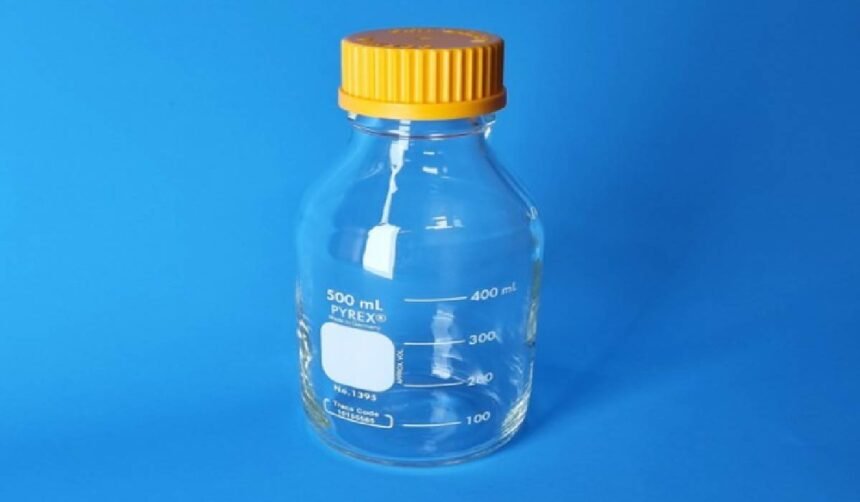
Among the essential components of liquid handling, lab glass bottles are fundamental for storing and transporting liquids safely. Manufacturers are now focusing on improving the durability and chemical resistance of the glass, alongside developing ergonomic designs that facilitate ease of use.
Advancements in Pipetting Systems
Pipetting systems have undergone remarkable improvements over the years. Today, electronic pipettes are increasingly replacing traditional manual pipettes. These devices allow for programmable functions, reducing the risk of repetitive strain injuries among laboratory personnel. Additionally, advancements in tip technology ensure that these systems deliver unmatched accuracy and precision in liquid dispensing.
The Role of Peristaltic Pumps
Peristaltic pumps have become indispensable in laboratories that require precise and contamination-free liquid transfer. By avoiding direct contact with the fluid, these pumps ensure that the purity of the sample is maintained. Innovations are focusing on enhancing the speed and durability of these pumps, making them suitable for a broader range of applications.
Integration of Digital Technologies
The integration of digital technologies in liquid handling tools marks a significant trend that is transforming laboratory operations. From lab management software that tracks usage to tools equipped with digital interfaces that allow for real-time monitoring and control, the shift towards digital solutions is palpable. This technology integration is not only enhancing operational efficiency but is also facilitating better compliance and data integrity.
Innovations in Labware
Labware such as pipette tips, tubes, and reservoirs have seen innovative materials being used that enhance their performance and safety. The demand for sterilised, disposable labware is also on the rise to prevent cross-contamination. Moreover, the incorporation of RFID tags in labware is becoming common, allowing for precise tracking and inventory management.
The Rise of Automated Workstations
Automated workstations are becoming more prevalent in laboratories, integrating various functions such as pipetting, mixing, and even data analysis. These systems are designed to handle large volumes of samples with high throughput, which is particularly beneficial in research and clinical settings. The precision and efficiency provided by automated systems make them an attractive option for laboratories looking to streamline their operations.
Developments in Centrifuge Technology
The advancements in lab centrifuges have primarily focused on improving safety and functionality. Modern centrifuges are equipped with features such as imbalance detection, auto-locking rotors, and noise reduction technology, which enhance the user experience. Additionally, energy-efficient models are gaining popularity as laboratories strive to reduce their environmental footprint.
Sustainable Practices in Liquid Handling
Sustainability is becoming a core consideration in the design and use of liquid handling tools. Manufacturers are developing products that minimise waste, utilise biodegradable materials, and consume less energy. Sustainable practices not only benefit the environment but also reduce operational costs in the long term.
Conclusion
In conclusion, the landscape of liquid handling tools is rapidly changing, with innovations aimed at improving accuracy, efficiency, safety, and sustainability. As technology continues to advance, laboratories can expect even more sophisticated tools that will greatly enhance their operational capabilities. Investing in these new technologies is essential for laboratories that aim to remain at the forefront of research and development.