



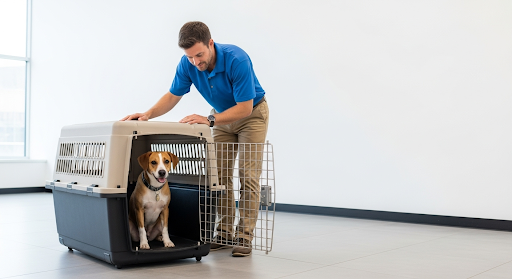
Moving a pet from the UK to mainland Europe brings a mix of excitement and worry. Before any crate is packed or any vaccination is booked, most owners usually sit with the same questions: Will my pet handle the journey? What paperwork do I actually need? What if something goes wrong at the border? How long will the checks take? These questions are completely normal, and they often come up as families plan international relocations. When I first looked into UK to Poland Pet Transport services, I quickly learned that travelling with pets across the Channel and into the Schengen area is far more structured than most people expect.
Early in the process, I realised something important: reputable relocation services significantly reduce the stress of this move. They don’t just move pets; they handle compliance, health documentation, route planning and comfort standards. For owners juggling jobs, housing arrangements and moving timelines, that kind of support is not just convenient — it safeguards the pet’s welfare. And when you consider how many checks a dog, cat or even a rabbit must pass, having guidance from people who deal with DEFRA rules, EU entry requirements, microchip validation, species-specific carriers and border processes every day makes a noticeable difference.
Why Do So Many Owners Choose Road Transport for Their Pets?
Poland is a road-friendly destination when travelling from the UK. Flights exist, but road transport has become the preferred option for many because it avoids the need for cargo handling, noisy airport environments and layovers that can unsettle animals. Road relocation companies use DEFRA-authorised vehicles built around pet welfare. These vehicles often include:
- Climate-controlled interiors
- Non-slip flooring
- Secured travel pods or travel crates
- Veterinary-approved ventilation systems
- Real-time monitoring
- Scheduled comfort stops
If you compare this with flying, you remove several major anxiety points. For example, an owner of a senior Labrador may worry about how the dog would cope with cargo loading machinery or unfamiliar airport staff. Road routes keep the journey predictable, and many companies also offer live GPS tracking, giving owners immediate reassurance.
What Are the Essential Documents Needed Before Leaving the UK?
Travelling with pets to Poland requires specific health and identity documentation. While the rules seem complex at first, they’re actually structured around a clear objective: controlling disease and ensuring traceability. The key documents include:
Microchip Compliance
Before anything else, your pet must have a microchip that meets ISO 11784/11785 standards. This is usually a 15-digit, non-encrypted microchip readable by scanners across Europe. If the chip cannot be read at departure or arrival, the journey is halted immediately, so this is checked first.
Rabies Vaccination Records
Rabies vaccination is a strict requirement for entry into Poland. The vaccination must meet these conditions:
- Administered after microchipping
- Performed by a licensed veterinarian
- Recorded in an official document
- At least 21 days old before travel (for a primary vaccination)
- Not expired on the date of travel
Rabies vaccines are typically valid for one to three years depending on brand and veterinary recommendation. Owners often book travel too close to vaccination dates, not realising the 21-day waiting period is non-negotiable.
Animal Health Certificate (AHC)
Since Brexit, UK-issued pet passports are no longer valid for travel into the EU, including Poland. Instead, pets need an Animal Health Certificate. Key details:
- Issued by an Official Veterinarian (OV)
- Valid for ten days from the date of issue to enter the EU
- Valid for onward travel within the EU for four months
- Includes microchip info, vaccination data and owner details
Tapeworm Treatment (Dogs Only)
For entry into Poland, tapeworm treatment is not required. However, if travelling via countries that do require it (for example, Ireland, Malta or Finland), the route must be planned carefully. Some owners choose to add this treatment anyway as a precaution, particularly if their pet has a habit of sniffing in grassy areas or woods.
How Long Does the Journey Take?
The UK–Poland route by road usually takes between 18 and 28 hours, depending on the pick-up location, weather conditions, Eurotunnel timing and stops. The average route from London to Warsaw is approximately 1,600 kilometres. To keep pets comfortable, drivers integrate rest breaks every few hours, allowing them to stretch, rehydrate and relieve themselves.
A typical itinerary may include:
- Pick-up from the owner’s home
- Pre-departure checks
- Channel crossing through Eurotunnel
- Scheduled breaks in France and Germany
- Arrival in Poland at designated meeting points or home delivery
Good transport teams treat the journey more like a carefully timed schedule than a simple long drive, ensuring animals receive water, fresh bedding and monitoring throughout.
Which Pets Commonly Travel to Poland?
Poland welcomes a wide range of companion animals as long as they meet import rules. These commonly include:
- Dogs (both pedigree and mixed breeds)
- Cats
- Rabbits
- Ferrets
- Guinea pigs
- Small birds (depending on veterinary checks and carrier rules)
Each species has unique comfort needs. For instance, brachycephalic (flat-faced) breeds like French Bulldogs and Persian cats need temperature-controlled environments as they are prone to breathing difficulties. Transport teams trained in species-specific welfare can make a noticeable difference in how these pets cope with long journeys.
What Should Owners Do to Prepare Their Pets Before Travel?
Preparation directly affects comfort and safety. A good relocation plan prioritises familiar routines and stress-reducing steps.
Feeding and Hydration
Many owners make the mistake of giving pets large meals just before pick-up. Heavy meals can cause nausea during long drives. Instead:
- Feed a smaller meal 4–5 hours before departure
- Avoid rich or new foods the day before
- Ensure water is available but avoid overhydration
Hydration is closely monitored by transport teams, especially during warm months.
Bedding and Comfort Items
The scent of home reduces stress. Transport crates become more relaxing when they include:
- A favourite blanket
- A familiar toy
- A piece of owner’s clothing
These items help regulate heart rate and comfort, especially for nervous animals.
Exercise Before Travel
Letting dogs enjoy a long walk before the journey helps release energy. A calm, slightly tired dog settles faster during transit.
Crate Training
Most relocation companies use IATA-approved crates. Pets unfamiliar with crates may feel anxious, so short sessions at home help significantly. Owners often place treats inside crates to create positive associations.
Does the Route Impact the Overall Pet Travel Experience?
Yes — route planning is one of the biggest factors in a smooth journey. Companies specialising in European pet transport understand which rest stops are safer, which checkpoints require longer processing and which roads are less likely to cause delays.
Important Route Considerations
- Weather conditions along the France–Germany–Poland corridor
- Peak border traffic hours
- Pet-friendly rest points
- Regulations for stopping pets in public spaces
- Speed limits in specific regions
- Overnight conditions during winter months
For example, dogs may struggle on very hot days when temperatures exceed 30°C, so drivers adjust timing to travel during cooler hours. In winter, icy conditions in Germany and Poland can extend travel time by several hours.
Is Travel Stress Dangerous for Pets?
Stress is a real concern, particularly for older pets, first-time travellers and breeds prone to anxiety. Signs of stress may include panting, pacing, yawning, or whining. Professional teams help minimise stress by:
- Keeping lighting low
- Ensuring quiet travel environments
- Using secure bedding
- Maintaining stable temperatures between 18–22°C
- Monitoring behaviour via onboard cameras
One real-life example comes from an owner whose Border Collie had separation anxiety. The dog settled quickly during a journey thanks to a familiar blanket, a soothing conversation with the handler, and steady environmental conditions. This shows how small details make long trips smoother.
How Do Entry Checks Work When Arriving in Poland?
Border officers review the Animal Health Certificate and verify the microchip. They may also check rabies records, depending on the official’s instructions. Checks usually take 10–20 minutes, but delays are possible if:
- Documents are incomplete
- Vaccination dates are unclear
- Microchips cannot be scanned
- The pet appears unwell
Because Poland uses EU entry rules, their priority is preventing rabies. Pets showing unusual behaviour may be referred for additional checks.
Table: Key Requirements Breakdown for Owners
Below is a clear comparison table to help owners understand what is required before the journey:
| Requirement | Applies to | Timing | Notes |
| ISO-compliant Microchip | Dogs, Cats, Ferrets | Before vaccination | Must be readable at departure |
| Rabies Vaccination | Dogs, Cats, Ferrets | 21 days before travel minimum | Must follow microchipping |
| Animal Health Certificate | All listed species | Issued within 10 days of entry | Must be signed by an Official Veterinarian |
| Tapeworm Treatment | Dogs only | Not required for Poland | Needed only if passing through certain EU states |
| Crate Training | All species | Before travel | Helps reduce stress |
| Species-specific travel gear | All species | Required | Must follow welfare standards |
How Can Owners Ensure Pets Stay Comfortable During Winter and Summer?
Poland experiences temperature extremes. Summers can reach 30°C, while winters can drop well below freezing. Pets, especially short-haired or brachycephalic breeds, need careful attention.
Summer Travel Tips
- Early morning or evening travel reduces heat exposure
- Increased water stops
- Shade-friendly rest points
- Close monitoring of respiratory patterns
Winter Travel Tips
- Warm bedding
- Avoiding prolonged exposure at rest stops
- Monitoring for limb stiffness
- Ensuring crate insulation
Transport teams closely follow DEFRA and EU animal-welfare transport regulations during seasonal extremes.
What Are the Common Mistakes Owners Make?
Many owners unintentionally complicate the process. Common mistakes include:
- Booking travel before vaccination rules are met
- Forgetting microchip re-scans
- Using outdated veterinary records
- Skipping crate preparation
- Underestimating winter or summer temperature impact
- Providing food right before pick-up
Being aware of these points helps avoid delays and stress.
What Happens If a Document Is Incorrect?
If paperwork is incomplete or inaccurate, border officials may deny entry, require clarification, or request additional verification. This can delay the journey. Having all documents checked by a qualified professional beforehand — particularly the Animal Health Certificate — significantly reduces the risk.
Real example: a family travelling with a Siamese cat had its journey delayed because the rabies vaccination was recorded before microchipping, making it invalid. After re-vaccination and waiting the required 21 days, the journey proceeded smoothly. This shows how small administrative details can impact travel timelines.
How Important Is Choosing the Right Transport Company?
Choosing a reputable company is one of the most important decisions. A reliable service should offer:
- DEFRA-authorised vehicles
- Experienced handlers
- Health monitoring
- GPS tracking
- Knowledge of EU import rules
- Dedicated customer support
- Species-specific expertise
- Safe rest-stop planning
Companies with transparent procedures help owners feel confident about the journey.
Can Pets Travel Together?
Yes. Many relocation teams allow pets from the same household to travel in close proximity, often in side-by-side crates. This can reduce stress, especially for bonded pairs.
Examples include:
- Sibling kittens travelling together
- Paired rabbits
- Two dogs from the same family
- A dog and a cat used to sharing a home
However, each pet must still meet individual entry requirements.
How Much Does Transport to Poland Usually Cost?
Prices vary depending on:
- Location of pick-up
- Pet size and species
- Time of year
- Service level
- Additional requests (for example, home delivery in Poland)
Typical ranges fall between £700 and £1,800 for road transport. Larger pets or special-care breeds may cost more due to crate sizing and monitoring requirements.
What Should Owners Expect After Arrival?
After reaching Poland, pets usually adapt within 24–72 hours. The biggest adjustment factors include temperature, local food differences, and the new environment.
Typical Post-Arrival Steps
- Gradual reintroduction to normal feeding
- A quiet environment for rest
- Monitoring for travel fatigue
- A slow return to routine walks
- Introductions to the new home at the pet’s pace
Many owners notice their pets settle faster than expected once they recognise familiar items.
Are There Special Rules for Puppies and Kittens?
Yes. Puppies and kittens must be at least 12 weeks old to receive a rabies vaccination, plus the additional 21-day waiting period. Young animals cannot bypass rabies rules.
Because of this, travel is usually not possible before 15 weeks of age. Transport teams must also ensure appropriate crate sizing and regular checks during the journey.
What About Senior Pets or Pets With Medical Needs?
Senior animals or those with conditions like arthritis, heart issues or diabetes require tailored care. For medically sensitive pets, relocation teams may:
- Store medication securely
- Administer timed doses
- Monitor appetite and hydration
- Use padded bedding
- Adjust travel timing
Owners should provide written veterinary instructions.
A real example: a 13-year-old Golden Retriever travelled from Manchester to Krakow. With a medication schedule, extra bedding and fewer distractions in the vehicle, the dog completed the journey comfortably and without agitation.
Final Tips for Stress-Free Travel From the UK to Poland
Here are the most important takeaways for owners preparing for this move:
- Check microchip function early
- Confirm rabies vaccine dates
- Book your Animal Health Certificate in advance
- Prepare your pet’s crate
- Plan around seasonal weather
- Choose a reputable, welfare-focused transport team
- Keep feeding routines simple
- Pack familiar items
- Review route expectations with the company
- Keep your phone available during the journey for updates
Following these steps dramatically improves comfort and compliance.
Conclusion
Moving a pet from the UK to Poland takes planning, but it’s absolutely manageable with the right preparation and support. Once you understand the documentation, species-specific needs, seasonal challenges and welfare standards, the journey becomes far less intimidating. Whether you’re relocating for work, family reasons or a long-term move, your pet’s comfort and safety remain the priority. Professional transport teams play a major role in guiding owners through paperwork, timing, crate readiness and welfare monitoring, making the experience smoother for everyone involved.
If you’re looking for support that balances compliance with genuine care, you can learn more through Pets Lets Travel.