



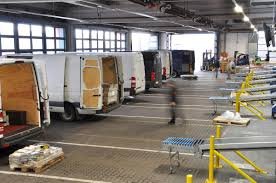
Understanding the Basics of a Safe Loading Environment
A safe loading area is essential for protecting staff and keeping daily work running without unnecessary interruption. These spaces deal with constant vehicle movement, heavy loads, and a wide range of equipment, so every part of the setup needs to support stability and clear communication. One of the key pieces of equipment that improves safety is a dock leveller, which creates a smooth and reliable bridge between vehicles and the loading bay. When this connection is steady, the risk of slips, sudden movements, or uneven weight distribution is significantly reduced.
Safety in a loading area depends on more than a single piece of equipment. Safe practice requires a combination of good layout, clear access routes, predictable vehicle flow, and consistent equipment use. When these elements work together, staff can operate with confidence.
Designing for Consistency and Control
Predictable layouts help prevent accidents. A loading area should allow vehicles to approach in a steady and straightforward way, without tight turns, blind spots, or unclear waiting points. Clear markings on the ground and visible signage help drivers and loading teams follow the same routine each time, which reduces confusion during busy periods.
The surface quality of the loading zone also plays a major part in safety. Patches of uneven ground, worn concrete, or wet areas can cause problems for forklifts and pallet trucks. Regular checks, repairs, and cleaning routines help maintain a safe space, especially during colder seasons when surfaces can become slippery.
Supporting Staff with Better Tools
The right tools make loading safer and easier. Wheel chocks, safety barriers, dock boards, and secure bridging equipment help reduce the chance of unexpected movement during loading. These tools should be readily available, easy to use, and maintained to a good standard.
Training is equally important. Even the best equipment cannot prevent accidents if it is not used correctly. Regular refreshers, demonstrations, and practical guidance ensure everyone knows how to load vehicles safely and how to recognise early signs of equipment wear.
Building a Culture of Awareness
A safe loading environment relies on staff who are alert and willing to speak up when something looks wrong. Encouraging teams to report hazards, slow down when conditions change, and check equipment before use creates a positive safety culture. Over time, these habits become part of everyday behaviour.
When clear design, reliable equipment, and strong communication come together, the loading area becomes a safer and more efficient place to work. It supports staff wellbeing, reduces the chance of incidents, and keeps daily operations running smoothly.