



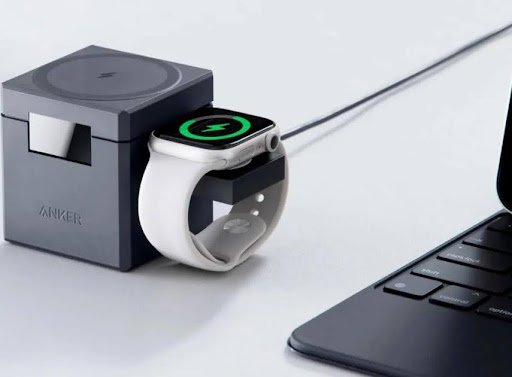
A wireless charger becomes truly convenient at work when it supports focus instead of demanding attention. In modern offices and home workspaces, phones play a constant role. They deliver messages, calendar alerts, authentication codes, and quick check-ins. Charging must fit into that rhythm without adding clutter or distraction. Wireless chargers meet this need by simplifying how devices stay powered during long workdays. They remove small but persistent frictions, such as plugging cables or rearranging desks. Over time, these small changes shape how people use their phones at work and how comfortably technology blends into professional routines.
How Wireless Chargers Improve Desk Efficiency
A Cleaner Desk Supports Clearer Thinking
Wireless chargers help keep desks visually clean. Without cables stretching across the workspace, the desk feels calmer and more organized. Users place the phone on a designated spot and continue working. This simplicity reduces visual noise and helps maintain focus. A tidy desk also makes it easier to shift between tasks without distraction. People stop moving objects around to access charging ports. The phone stays where it belongs, ready when needed. This environment supports productivity because fewer small interruptions compete for attention throughout the day.
Quick Access Without Breaking Workflow
At work, people check phones briefly and often. Wireless chargers support this pattern by allowing quick pickup and placement. Users glance at notifications, respond if needed, and return the phone to the charger in one motion. No cables slow the process. This ease keeps workflows intact. People do not pause meetings or typing sessions to manage charging. The phone remains available but not intrusive. Over time, this rhythm feels natural. Charging becomes part of the desk routine rather than a separate task that interrupts concentration.
Consistent Placement Builds Habit And Reliability
Wireless chargers encourage consistent phone placement on the desk. Users learn where the phone rests during the day. This predictability reduces searching and repositioning. The phone stays visible enough for alerts but not central to the workspace. Consistent placement also builds confidence that the device will stay charged without constant checking. Workers trust the setup and focus on tasks. Habit-driven placement supports efficiency because it removes small decisions from the day. Wireless chargers quietly reinforce this reliable routine.
Why Wireless Chargers Fit Modern Work Styles
Support For Flexible And Hybrid Workspaces
Modern workspaces change frequently. People move between offices, meeting rooms, and home desks. Wireless chargers adapt easily to these shifts. Users place the charger where it fits and begin using it immediately. There is no setup complexity. This flexibility suits hot desks and shared environments. Workers do not depend on specific cable layouts or outlet positions. The charger travels easily between locations. This adaptability explains why wireless chargers feel convenient in dynamic work settings where consistency matters but layouts vary.
Reduced Cable Management In Shared Areas
Shared workspaces often suffer from cable clutter. Multiple devices compete for outlets and desk space. Wireless chargers reduce this problem by minimizing visible connections. One charger serves a clear purpose without adding tangled cords. This simplicity benefits teams who share tables or meeting rooms. People place phones down briefly during discussions without disrupting others. Fewer cables also mean fewer accidental disconnections. Wireless charging supports smoother collaboration by keeping shared spaces orderly and functional.
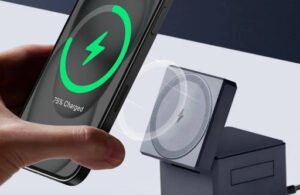

Seamless Integration With Workday Tools
Wireless chargers integrate naturally with other workday tools. They sit alongside laptops, notebooks, and monitors without demanding special attention. The phone becomes another tool resting in reach. This integration matters for professionals who rely on phones for authentication apps or quick communications. Wireless charging keeps the phone ready without shifting focus away from primary tasks. Some users pair desk chargers with a wireless power bank in their bag, creating a consistent charging experience across office and travel. Brands like Anker design solutions that fit into this ecosystem quietly and effectively.
Conclusion
A wireless charger feels convenient at work because it respects focus, routine, and space. It keeps desks clean and reduces visual clutter. It allows quick access without interrupting workflows. Consistent placement builds trust and habit throughout the day. Wireless chargers also adapt to flexible and shared work environments, supporting modern work styles. They integrate smoothly with other tools and reduce cable management issues. With thoughtful designs from brands like Anker, wireless charging becomes part of a calm, efficient workspace. It supports productivity without calling attention to itself. When charging works quietly in the background, workdays feel smoother and more controlled.