



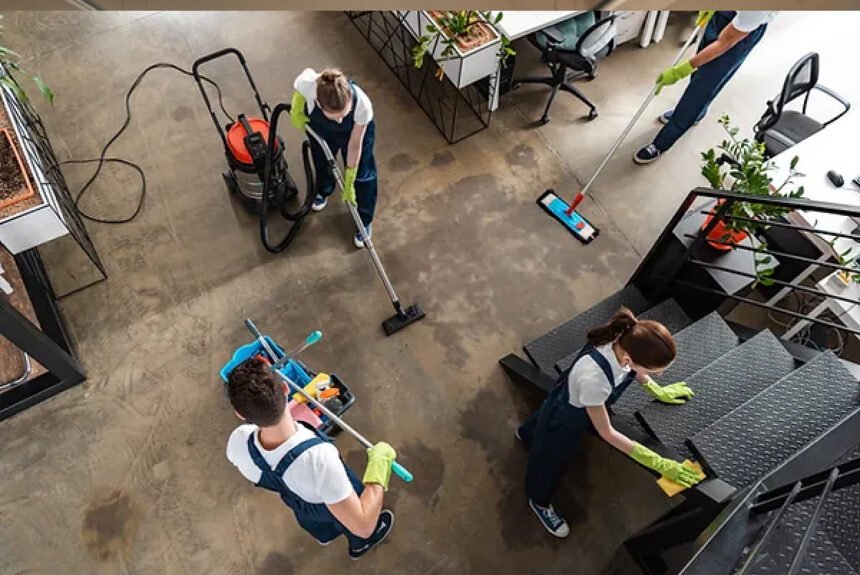
A tidy office sends a powerful message to anyone who steps inside. It shows that people care, that they’re paying attention to the details and that things are under control.
The psychology behind visible cleanliness
There is a term for the feeling described above. Bio-stress. This is that mild anxiety employees feel when they’re not 100% sure whether the environment they’re working in is a safe one. Yes, the dusty vents, the grimy keyboards, and the breakroom that never feels quite clean enough are not “oomph” worthy enough to launch a formal complaint. But they stick around. And over time, employees start to get the idea that maybe their employer doesn’t really care about their physical health. And that idea spills over. They start to care a little less about their boss. And their benefits. And the status of their career.
This is the underlying psychology of hygiene and loyalty. A professional office cleaning schedule serves as physical evidence that they care. Without anybody ever having to use the actual words. If employees see maintenance happening regularly then they are more likely to believe that the physical aspects of the building are being catered to purposefully. This all adds up to better psychological health for employees in that they can feel comfortable in knowing that their employer isn’t totally indifferent to whether they suffer from an illness they picked up from their desk.
Absenteeism and the domino effect
The business case for leaving this to chance doesn’t exist. Even if HR administrators prefer to err on the side of thrift in most areas, an extra two days of productivity from a single worker covers the annual cost delta of professional versus employee-do-it cleaning. And that’s before relocating your most talented workers or your entire executive suite for an extended period – something that can be a truly disastrous sort of operational expense.
Cleanliness as a culture signal
Employees notice if an office is messy and run down. They see that stains on the carpet are only spot-cleaned until the whole carpet is done, that the cleaning service only empties the garbage but never wipes down the surfaces. Many employees are hesitant to report maintenance issues at work, fearing negative repercussions.
Green cleaning and long-term wellness
Conventional cleaning products create problems of their own. If the smell of strong chemical disinfectants doesn’t give your staff a headache or trigger an allergic reaction, the VOCs in those products are probably doing similar damage to the indoor air quality of your office. And that counts double for any colleagues with asthma or allergies.
The same is true for the so-called Sick Building Syndrome (SBS). Dust and pathogens are a factor, sure, but so are the volatile organic compounds that off-gas from those “cleaning” products. Why do you think the windows at so many offices are sealed shut and the rate of diagnosed adult-onset asthma seems to keep climbing at every business?
An eco-friendly cleaning service fixes all of the above. One such outfit, GreenCleanOffice, uses only EPA-approved Earth-friendly disinfectants. In other words, no harmful residue left blowing in the shared office air. Any employee with a tendency to suffer headaches or fatigue in the office will thank you, as they start feeling the benefits within weeks. And it’s a genuine sign to your employees that you’re truly committed to wellness beyond the buzzwords on their handbook.
Green cleaning isn’t a niche preference anymore – it’s fast becoming an expectation from any employee whose company advertises its environmental or occupational health chops.
Communal spaces and social cohesion
There is a benefit to having a clean break room that is rarely mentioned: employees are more likely to use it if it’s well-kept. When communal spaces are clean and well-cared for, workers are more likely to gather, interact, and eat in those spaces. This results in fewer cross-contamination issues with work areas and an increase in breeding space for low-cost, informal collaboration.
And that’s not a minor consideration. Often, the most important team development happens in the so-called “unofficial” areas of the office. A dirty, messy break room or kitchen doesn’t just risk fostering unhealthy habits, it also sends workers running for their desks or out the back door.
A professional breakroom cleaning plan isn’t a blanket solution for all retention problems, but it does show your team members that you believe their comfort and health is worth the investment. And if keeping your team members happy and healthy isn’t your central retention initiative, it’s tough to imagine what is.
For More Information Visit Fourmagazine