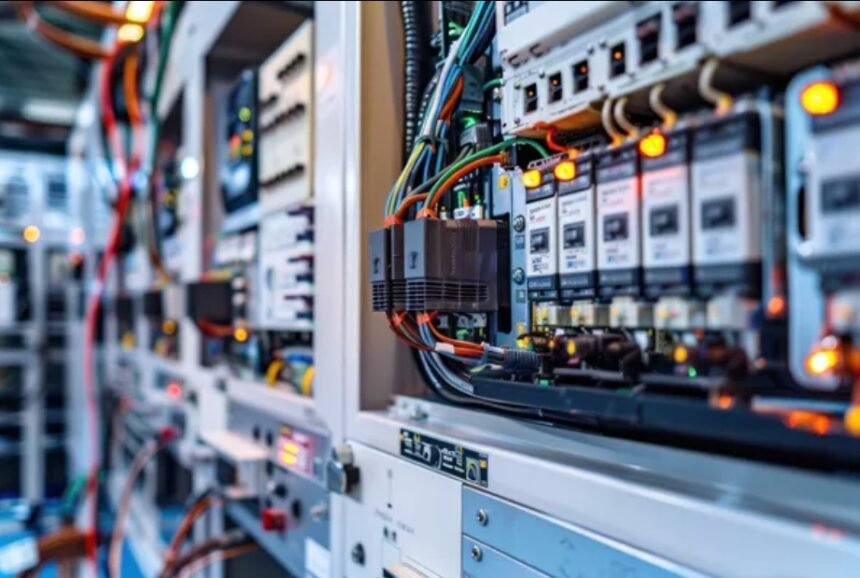
Homes in London have changed significantly over the last few decades. From older terraced houses to newly built flats, the way people live, work, and use technology is very different from the past. Electrical systems have had to evolve to keep up with these changes. Older wiring was designed for a time when homes used far fewer electrical devices, often limited to basic lighting and a small number of appliances.
Today’s homes rely heavily on electricity for heating controls, security systems, internet connectivity, and a wide range of everyday devices. Modern electrical systems are designed to handle higher demand safely and efficiently. They also reflect updated safety standards that aim to reduce the risk of electrical faults, fires, and power failures.
Understanding Modern Electrical Systems
Modern electrical systems are built around safety, reliability, and flexibility. They are designed to distribute electricity evenly throughout a home while protecting both people and property. This includes improved wiring materials, advanced protective devices, and better system layouts that reduce strain on individual circuits.
In London, where many properties are a mix of old and new buildings, modern systems play an important role. Older homes often require updates to meet current regulations, especially when renovations or extensions are carried out. Newer homes are usually built with modern systems already in place, but even these require regular checks to ensure they remain safe over time.
Improved Safety Standards
One of the most important reasons modern electrical systems matter is safety. Electrical faults related to wiring, consumer units, and overloaded circuits remain a common cause of domestic fires in the UK. Modern electrical services are designed to include protective devices that automatically disconnect the power when a fault is detected, helping to minimise the risk of fire, electric shock, or serious damage to the property.
To support safe electrical services, updated regulations ensure that all electrical installation and maintenance work is carried out to a consistent standard. In England, including London, guidance on electrical safety is provided by the Health and Safety Executive (HSE), which outlines how electrical risks should be managed in domestic environments through its official website at www.hse.gov.uk. These standards help ensure that electrical services in homes are safe, compliant, and suitable for modern usage.
Greater Capacity for Modern Living
Modern households use far more electricity than homes did in the past. From home offices and entertainment systems to electric vehicle chargers, demand has increased steadily. Modern electrical systems are designed to manage this higher load without overheating or failing.
This increased capacity is especially important in London, where many homes are compact but densely equipped with technology. A well-designed system ensures that multiple appliances can run at the same time without causing power interruptions or stressing the wiring.
The Role of Electrical Systems in Energy Efficiency
Energy efficiency is a growing concern for homeowners across London. Modern electrical systems support more efficient energy use by allowing better control over how electricity is distributed and consumed. This can help reduce energy waste and lower household bills over time.
Efficient systems also work well with modern technologies such as smart meters and energy monitoring devices. These tools help residents understand how much electricity they are using and where improvements can be made. While electrical systems alone cannot guarantee lower energy use, they provide the foundation needed to manage energy more effectively.
Supporting Sustainable Technologies
As London moves towards a more sustainable future, modern electrical systems are essential. Technologies such as solar panels, battery storage, and electric vehicle charging points all rely on suitable electrical infrastructure. Older systems may not be able to support these technologies safely.
Modern systems are designed with adaptability in mind. This makes it easier for homeowners to add new technologies as their needs change, without requiring major electrical work each time.
Electrical Systems and Property Value
The condition of a home’s electrical system can have a direct impact on its value. Buyers and tenants are increasingly aware of electrical safety and reliability. A modern system can provide reassurance that a property is safe and well maintained.
In London’s competitive property market, this can make a real difference. While electrical systems are often hidden behind walls and ceilings, survey reports frequently highlight their condition. A system that meets current standards can help avoid delays or concerns during a sale or rental process.
Reducing Long-Term Maintenance Issues
Older electrical systems are more likely to develop faults over time. Worn wiring, outdated components, and overloaded circuits can lead to frequent repairs. Modern systems are built to last longer and require less maintenance when properly installed and checked regularly.
This reliability is particularly valuable in busy urban areas like London, where access for repairs can sometimes be limited. Fewer unexpected issues mean less disruption for households and lower long-term costs.
Adapting Older London Homes to Modern Standards
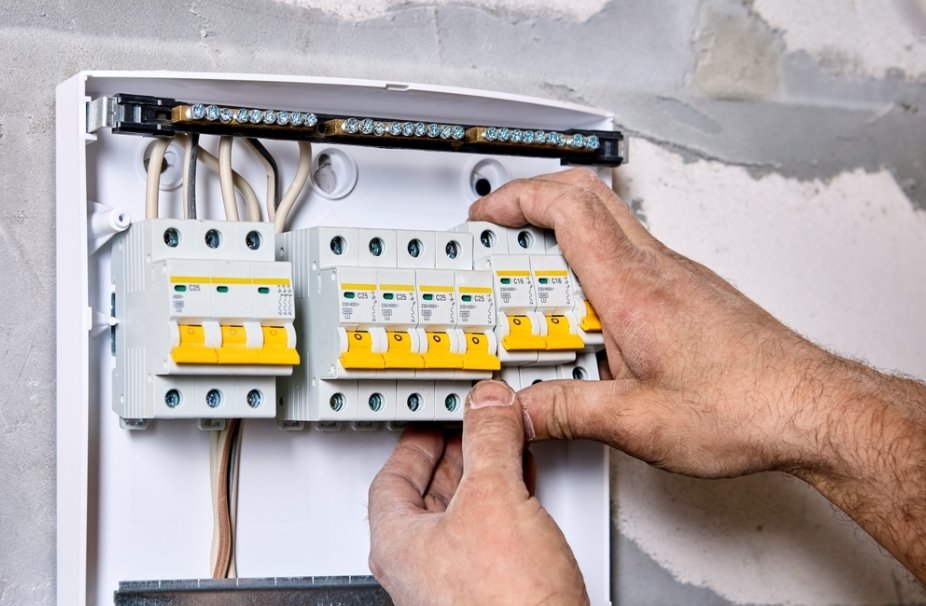
Many London homes were built long before modern electrical standards existed. Victorian and Edwardian properties, in particular, often require careful updating to ensure they are safe for modern use. This does not mean losing the character of these homes, but rather upgrading the hidden systems that support daily life.
Updating an electrical system in an older property often involves assessing existing wiring, distribution boards, and safety devices. In some cases, work such as Fuse Box Installation may be required to bring the system in line with current expectations. This type of work ensures that electricity is managed safely and effectively throughout the home.
Meeting Legal and Safety Requirements
Landlords and homeowners in London have legal responsibilities when it comes to electrical safety. Regular inspections and compliance with current regulations help protect occupants and reduce liability. Modern electrical systems make it easier to meet these requirements, as they are designed to align with current safety rules.
For those interested in understanding official guidance on electrical safety in rented and owner-occupied homes, the UK government provides clear information through its housing and safety resources on GOV.UK.
The Importance of Professional Assessment
Understanding whether a home’s electrical system is modern and safe often requires professional assessment. Qualified electricians can identify outdated components, potential risks, and areas where improvements may be needed. This is particularly important in London, where properties vary widely in age and design.
Regular assessments help ensure that systems continue to perform safely as household needs change. They also provide peace of mind, knowing that the electrical infrastructure supporting daily life is reliable.
Looking Ahead to the Future of Home Electrical Systems
The way people use electricity will continue to evolve. Advances in smart home technology, renewable energy, and electric transport will place new demands on residential electrical systems. Homes in London will need systems that can adapt to these changes without compromising safety or performance.
Modern electrical systems are not just about meeting today’s needs. They are about preparing homes for the future. By supporting flexibility, efficiency, and safety, they play a vital role in ensuring that London’s housing stock remains fit for purpose in the years to come.
Final Thoughts on Modern Electrical Systems
Modern electrical systems matter because they support safe, efficient, and comfortable living. In a city like London, where homes range from historic buildings to modern developments, having the right electrical infrastructure is essential. These systems protect people, support modern lifestyles, and help homes adapt to future technologies. For readers interested in exploring related topics around home safety and infrastructure, you may find this related article on Four Magazine about reliable electrical repairs and emergency support helpful: Trusted Electrical Repairs & Emergency Support with Electrician Services Four Magazine.