



Running a business in London means managing more than sales, staffing and customer expectations. Every workplace also has hazards that can interrupt operations or cause real harm. Some are obvious, such as moving vehicles or faulty equipment. Others, including poorly planned maintenance, work-related stress and unclear emergency arrangements, can develop gradually. Effective risk management brings these issues into everyday decision-making instead of treating safety as a folder of documents reviewed only when an inspection is due.
Begin With the Work People Actually Do
A useful risk assessment starts with observation. Managers should look at how employees, contractors and visitors move through a workplace, which equipment they use and where tasks change during a busy day. An office may have relatively simple hazards, while a construction site or public venue needs more detailed controls. The Health and Safety Executive advises employers to identify hazards, assess who could be harmed, put suitable controls in place and review those controls. The assessment should reflect actual working conditions rather than a generic template.
Make Responsibilities Clear
Safety arrangements become unreliable when everyone assumes somebody else is responsible. Assigning named owners for inspections, training, equipment checks and follow-up actions helps prevent that problem. A manager may coordinate the overall programme while supervisors check that controls work during normal operations. Workers should also know how to report a concern and what happens after they do. Clear responsibilities matter particularly in shared buildings, where tenants, facilities teams and outside contractors may all influence the same risks.
Treat Fire Safety as an Operational Issue
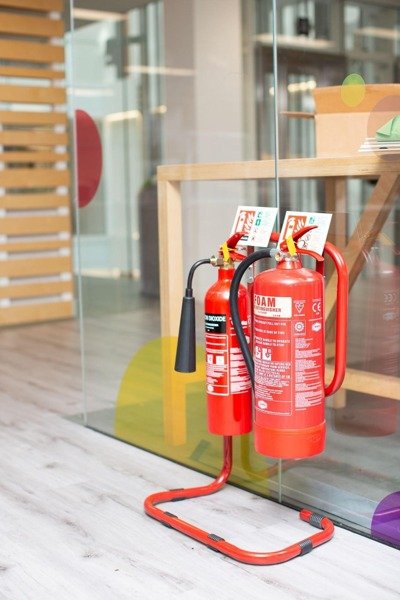
Fire safety deserves its own attention because a building can change substantially without anyone recognising the cumulative effect. New storage, altered room layouts, different occupancy levels or a change in business use may affect evacuation arrangements. Businesses should consider the suitability of their fire risk assessment, escape routes, alarms, signage and staff information. The right measures depend on the premises and applicable duties. A specialist assessment can identify gaps, but the organisation still needs to act on recommendations and maintain its arrangements.
Plan for Contractors and Temporary Work
Repairs, deliveries, refurbishment and cleaning can introduce hazards that do not exist during the ordinary working day. A contractor may need access to electrical systems, work at height or bring materials into an occupied building. Before work begins, clarify the scope, access arrangements, relevant risks and who controls the area. For larger projects, legal duties under construction regulations may also apply. Good coordination reduces the chance that a routine job creates a new hazard for employees or visitors.
Use Competent Support Where It Adds Value
Not every organisation needs a large internal safety department, but it does need access to competent advice. Businesses comparing health and safety consultants London should consider sector experience, the ability to explain findings clearly and whether recommendations are realistic for the premises. Independent specialists such as Ablemarsh support businesses with health and safety consultancy, fire safety assessments and construction-related safety work. The purpose of external advice should be to improve decisions and controls, not simply to produce paperwork.
Build a Review Cycle That People Will Use
Risk management works best as a repeated process. A short monthly review can examine reported hazards, maintenance actions, incidents and changes to working practices. Significant changes should trigger a fresh look sooner. Managers can use a simple action log that records the issue, responsible person, deadline and evidence of completion. Trends are often more revealing than a single incident: repeated slips near one entrance or recurring equipment faults may point to a design problem that requires more than reminders.
Connect Safety With Business Continuity
Preventing harm is the primary reason for managing risk, but reliable controls also support continuity. An avoidable accident can close an area, disrupt a contract or place pressure on a small team. Conversely, a workplace where people understand safe procedures can respond more confidently to unusual situations. Safety should therefore be considered alongside property management, staff planning and operational resilience, especially when a business is growing or moving premises.
A Practical Next Step
Choose one location or process and test whether its documented controls match reality. Speak with the people doing the work, check outstanding actions and identify the most significant unresolved hazard. Make a proportionate improvement, assign responsibility and review the result. That small cycle of observation, action and verification is often more useful than an elaborate policy that nobody consults. For London businesses, practical risk management is not an occasional compliance exercise; it is part of running a dependable organisation.