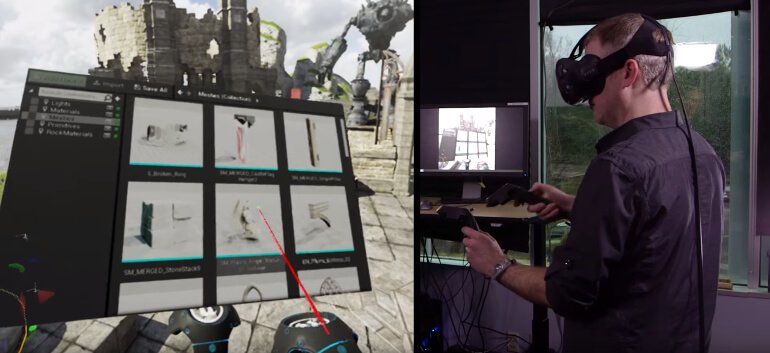
Virtual Reality (VR) has transformed how players interact with video games, offering immersive experiences that were once only a dream. As the demand for VR games continues to rise, the need for powerful development tools is more critical than ever. Unreal Engine, a robust game development platform, stands out as the top choice for VR game development. With its rich features, cutting-edge technology, and seamless integration with VR systems, Unreal Engine has become the go-to tool for developers looking to create engaging, high-quality VR experiences.
Why Unreal Engine Is Perfect for VR Game Development
The immersive nature of VR gaming presents unique challenges. Developers need to consider factors like performance, realism, and user comfort. Unreal Engine’s vast array of tools and capabilities make it the ideal platform for addressing these challenges. Here’s why Unreal Engine is leading the charge in VR game development:
1. Powerful Graphics and Performance
Unreal Engine’s reputation for delivering stunning visuals is one of the primary reasons it’s favored by VR developers. VR games demand high frame rates and realistic graphics to create a truly immersive experience. Unreal Engine offers an advanced rendering system that supports real-time graphics, ensuring that VR environments look realistic and smooth.
The platform’s ability to deliver photorealistic textures, lighting, and physics ensures that players feel like they are stepping into another world. Whether it’s designing a virtual forest, a futuristic city, or a fantastical realm, Unreal Engine helps bring these worlds to life with unparalleled detail. By using Unreal Engine for VR development, developers can ensure their games are both visually captivating and optimized for the demanding hardware of VR systems.
2. Seamless VR Integration
One of the biggest advantages of using Unreal Engine for VR development is its seamless integration with VR hardware. Unreal Engine has built-in support for popular VR platforms like Oculus Rift, HTC Vive, and PlayStation VR. Developers can easily implement features like head tracking, hand gestures, and motion controls, all while maintaining high-quality performance.
Unreal Engine’s blueprint system makes it easy to create complex VR interactions without needing extensive coding knowledge. This feature is particularly beneficial for smaller teams or individual developers who want to focus on creating content rather than spending time on complex programming tasks.
3. Comprehensive Tools for VR Game Creation
Unreal Engine development services are tailored to meet the needs of VR developers, providing a range of tools that streamline the entire process, from concept to execution. The engine includes advanced tools for designing environments, animating characters, and implementing physics, all essential for building an immersive VR experience.
Key features such as real-time editing and live previews allow developers to test their VR game designs instantly, ensuring smooth integration of VR-specific features. This reduces the trial-and-error process, helping developers save valuable time. Additionally, Unreal Engine’s extensive marketplace offers plugins and assets that can be used to enhance VR game development.
4. VR-Specific Features
Unreal Engine includes a range of features that make it especially well-suited for VR development. These include:
- Low Latency: VR experiences require a low-latency environment to prevent motion sickness. Unreal Engine’s high-performance rendering ensures that latency is minimized, providing a smooth and comfortable experience for players.
- Realistic Physics: Unreal Engine’s physics system simulates the real world, making interactions in VR games feel natural and responsive. Whether it’s objects reacting to player movements or characters engaging in combat, the physics in Unreal Engine are designed to mimic reality.
- Foveated Rendering: This feature optimizes performance by lowering the graphical fidelity of peripheral vision areas while keeping the center of the player’s vision in high detail. This makes Unreal Engine an excellent choice for VR games, as it balances performance and realism.
5. Flexible for All Types of VR Games
Unreal Engine for VR is versatile, allowing developers to create a wide variety of VR game types, from first-person shooters to puzzle games and immersive simulations. Whether you’re building an action-packed adventure or a calming exploration game, Unreal Engine provides the tools to bring your vision to life.
This flexibility extends beyond game genres. Unreal Engine is also ideal for creating non-gaming VR experiences, such as training simulations, educational content, and virtual tourism. The possibilities are endless, and the engine’s versatility ensures that developers can push the boundaries of what’s possible in VR.
Key Benefits of Using Unreal Engine for VR Game Development
Here are some of the key reasons why Unreal Engine is a top choice for VR game developers:
| Benefit | Description |
| Real-Time Graphics | Unreal Engine delivers high-quality, photorealistic graphics that create an immersive VR experience. |
| Optimized for VR Hardware | Unreal Engine integrates seamlessly with popular VR platforms, ensuring smooth gameplay. |
| Easy-to-Use Tools | With its blueprint system, developers can create complex VR experiences without extensive coding. |
| Realistic Physics | The engine’s physics system provides lifelike interactions that enhance player immersion. |
| Scalability | Unreal Engine can handle small indie VR games or large-scale, complex VR projects. |
Unreal Engine for VR Development: What’s Next?
As VR technology continues to evolve, so too will Unreal Engine’s capabilities. Epic Games, the developer behind Unreal Engine, is continually releasing updates and new features to enhance the VR development experience. With advancements in AI, real-time ray tracing, and machine learning, Unreal Engine’s future looks incredibly promising for VR developers.
The increasing adoption of 5G technology will also play a significant role in VR development. As 5G enables faster data transmission and lower latency, the potential for more expansive and more interactive VR experiences will become a reality. Unreal Engine’s ability to adapt to these changes ensures that developers will always have the tools they need to create cutting-edge VR experiences.
Conclusion
Unreal Engine has proven itself to be a leading platform for VR game development. With its powerful graphics capabilities, seamless VR integration, and flexible development tools, Unreal Engine remains the top choice for developers looking to create immersive and high-quality VR experiences. Whether you’re building a game, simulation, or interactive experience, Unreal Engine offers everything needed to make your VR vision a reality.
For developers considering VR game creation, the question is not “why” but “how soon” can they start leveraging Unreal Engine’s vast array of tools to craft the next generation of VR experiences. With the power and flexibility that Unreal Engine for VR development offers, the future of VR gaming is bright, and the possibilities are limitless.