



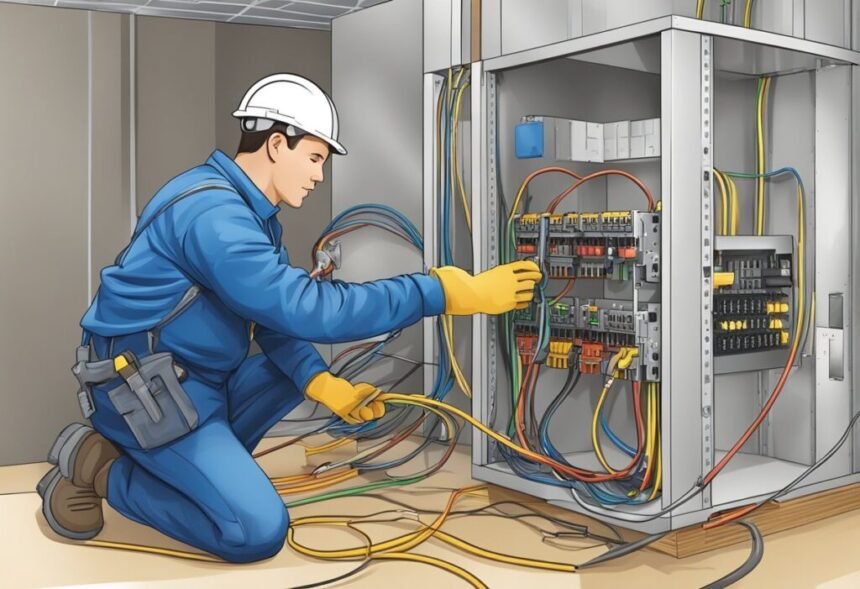
Electricity powers the modern world. From homes and offices to factories and tech-driven industries, safe and efficient electrical systems are at the core of everything we do. Yet behind the walls, ceilings, and underground systems lies the complex and essential work of professionals who design, install, maintain, and troubleshoot these systems—electrical contractors.
While many people think of electricians as individuals who fix wires or outlets, the responsibilities and scope of an electrical contractor go far beyond. These professionals play a vital role in ensuring the functionality, safety, and compliance of all types of electrical work, whether it’s new construction, upgrades, or emergency repairs.
This in-depth guide explores the full scope of services offered by electrical contractors, their roles across different sectors, how to choose the right one, and why their expertise is not only valuable—but absolutely essential.
What Is an Electrical Contractor?
An electrical contractor is a licensed professional or company specializing in electrical work. This can include installation, maintenance, repair, and design of electrical systems in residential, commercial, or industrial settings. Unlike general electricians, electrical contractors often manage larger-scale projects, work with construction teams, and handle complex power systems.
Electrical contractors may employ licensed electricians or subcontract electrical work to others, depending on the size and scope of a project. Their involvement can range from simple household rewiring to managing large-scale power infrastructure for industrial facilities or commercial buildings.
The Key Responsibilities of an Electrical Contractor
The role of an electrical contractor spans across various tasks and responsibilities, depending on the job type, setting, and complexity.
1. Project Planning and Design
Electrical contractors often work with architects, engineers, and construction teams to design power systems that meet code requirements and user needs. This can include mapping out wiring diagrams, specifying equipment, and ensuring energy efficiency.
2. Installation of Systems
This involves installing wiring, circuit breakers, lighting, outlets, panels, transformers, and sometimes complex automation systems. Proper installation ensures the longevity and safety of the electrical infrastructure.
3. Maintenance and Upgrades
Like all systems, electrical setups require routine maintenance. Contractors provide inspection services, identify wear and tear, and upgrade old wiring or equipment to meet modern standards or increased power demands.
4. Troubleshooting and Repairs
Electrical problems can cause safety hazards or productivity loss. Contractors diagnose issues using advanced tools and resolve problems ranging from overloaded circuits to faulty wiring or equipment failures.
5. Compliance and Safety
One of the most critical functions of an electrical contractor is ensuring that all work meets local, state, and national electrical codes. Failure to comply can result in penalties, insurance issues, or dangerous environments.
Types of Electrical Contractors
Not all contractors work on the same kinds of projects. There are several specializations within the field:
1. Residential Contractors
These professionals focus on homes, apartments, and small living spaces. They handle tasks like lighting upgrades, panel replacements, whole-home wiring, or smart home installations.
2. Commercial Contractors
Working in retail spaces, offices, and schools, these contractors manage larger systems with more complex requirements like backup generators, energy management systems, and advanced security wiring.
3. Industrial Contractors
This is the most specialized field, requiring in-depth knowledge of high-voltage systems, machinery, heavy equipment wiring, and power distribution in factories or plants.
4. Low-Voltage Contractors
They work on systems like data cabling, internet wiring, security systems, fire alarms, and intercoms—components critical to modern communication and safety.
Why Hiring a Qualified Electrical Contractor Matters
Electrical work is not a DIY task. Mistakes can lead to fires, electrocution, equipment failure, and even legal issues. Here’s why working with a qualified electrical contractor is crucial:
✅ Safety First
Certified contractors follow strict codes and safety protocols, minimizing the risk of fire hazards, injuries, or costly damages.
✅ Code Compliance
Every region has building and electrical codes. A licensed contractor ensures all work is up to code, reducing liability and ensuring insurance coverage.
✅ Efficiency and Accuracy
Professionals get the job done right the first time, avoiding rework and costly project delays.
✅ Project Management
Contractors coordinate with other trades, stay on schedule, order materials, and ensure all steps are completed efficiently and professionally.
✅ Warranty and Liability Coverage
Many contractors offer warranties on their work and are insured, protecting you from responsibility in case of accidents or failures.
The Role of Electrical Contractors in New Construction
In new builds, electrical contractors are often involved from day one. They assess blueprints, determine energy loads, and collaborate with engineers to ensure the entire electrical infrastructure is integrated seamlessly with the building’s layout.
Their responsibilities typically include:
- Designing layout of lighting, outlets, and switches
- Installing main power sources and subpanels
- Wiring HVAC, appliances, alarms, and internet systems
- Ensuring grounding and surge protection
- Performing inspections and getting approvals from building departments
Whether it’s a single-family home or a large commercial facility, the contractor’s role is crucial for both immediate functionality and future scalability.
Electrical Upgrades and Renovations
As technology evolves and energy demands increase, electrical systems need upgrades. Electrical contractors help homeowners and businesses modernize old systems to support:
- High-efficiency lighting
- Smart home systems
- EV charging stations
- Backup generators
- Solar panel integration
- Panel and breaker box upgrades
An experienced contractor will evaluate the current system, recommend necessary changes, and execute them safely and efficiently.
Emergency Electrical Services
Electrical emergencies like outages, short circuits, or burning smells can be terrifying and dangerous. Many contractors offer 24/7 emergency services to address:
- Power outages
- Electrical fires
- Downed wires
- Water-damaged circuits
- Flickering or overloaded circuits
In these situations, fast response and expert knowledge are non-negotiable. A reliable electrical contractor ensures your issue is resolved without further risk.
How to Choose the Right Electrical Contractor
The right contractor is more than just someone who’s available—they should be licensed, experienced, and professional. Here’s a checklist to help you make the best decision:
✔️ Check Licensing and Insurance
Always verify that the contractor holds a valid license and carries liability and workers’ compensation insurance.
✔️ Review Experience and Specialties
Make sure they have experience in the type of project you’re undertaking. Ask for photos, case studies, or client references.
✔️ Ask About Permits and Inspections
Professional contractors will pull permits when needed and coordinate inspections.
✔️ Get a Written Estimate
This should outline labor, materials, timeline, and any warranties.
✔️ Evaluate Communication
From the first call to the final invoice, clear communication is essential. A good contractor is transparent, responsive, and courteous.
Questions to Ask Before Hiring
Before hiring, consider asking:
- How long have you been in business?
- Can you provide references from similar projects?
- Do you offer emergency services?
- Will you handle permitting?
- What is your timeline and availability?
- Do you offer a warranty for your work?
The answers to these questions help you determine if the contractor is reliable and a good fit for your project.
Keeping Up With Evolving Technology
Modern electrical systems are rapidly changing. From solar energy to energy storage and smart devices, contractors must stay current with the latest technologies and safety practices.
A forward-thinking electrical contractor will be familiar with:
- Energy-efficient lighting systems
- Home automation integration
- Green building codes
- Battery backup systems
- EV charging installations
Working with a contractor who’s well-versed in emerging tech ensures your project is future-ready.
Final Thoughts
Electrical systems are the lifeblood of modern buildings, and keeping them safe, efficient, and code-compliant is not a task to take lightly. Whether you’re building a new property, renovating your current space, or dealing with a sudden outage, partnering with a qualified electrical contractor ensures you get the job done safely and correctly.
These professionals offer more than just wiring—they bring planning, design, safety, compliance, and peace of mind to every project. Choosing the right contractor can mean the difference between a job done and a job done right.
As technology continues to evolve and energy demands rise, the need for expert electrical solutions will only grow. Having the right electrical contractor on your side isn’t just a good idea—it’s a necessity.