



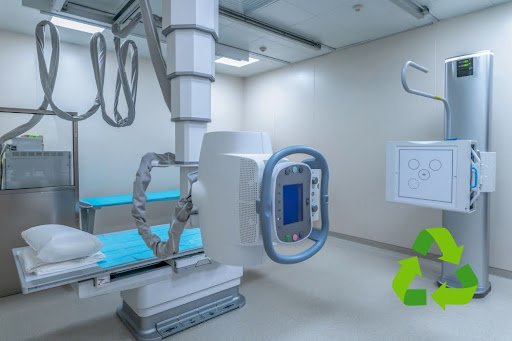
X-ray machine recycling is no longer a niche concern tucked away in hospital basements and imaging storage rooms. It has become a practical environmental and compliance driven priority for healthcare facilities, veterinary clinics, dental offices, industrial users, and equipment resellers that need to retire aging systems responsibly. A modern X-ray unit contains lead shielding, circuit boards, specialized glass, batteries, and wiring that should never be handled like ordinary scrap. Proper X-ray machine recycling ensures these materials are managed safely while also unlocking potential value from reusable components.
What makes X-ray machine recycling different from ordinary equipment disposal
The complexity of materials is what sets X-ray machine recycling apart from standard disposal. These machines are engineered for radiation protection and precision imaging, which means they contain dense metals and regulated components that require controlled handling. Many systems include lead shielding, copper wiring, aluminum frames, and electronic assemblies that need to be separated carefully.
X-ray machine recycling is not just about getting rid of bulky equipment. It is about identifying which parts can be reused, which materials can be recovered, and which components require specialized processing. In some cases, older machines may still have resale value or usable parts that can extend the life cycle of other systems. In other situations, the focus shifts entirely to material recovery and environmental safety.
Another important factor in X-ray machine recycling is the presence of legacy materials. Older systems may include components that require additional care during dismantling. This makes professional handling essential to avoid environmental risks and ensure compliance with waste regulations.
The environmental importance of X-ray machine recycling
X-ray machine recycling plays a critical role in reducing environmental impact. One of the primary concerns is lead, which has historically been used for shielding. If not handled correctly, lead can pose serious risks to both human health and the environment. Recycling prevents these materials from ending up in landfills where they could potentially contaminate soil and water.
Beyond hazard reduction, X-ray machine recycling supports resource conservation. These machines contain valuable metals such as steel, copper, and aluminum that can be recovered and reused in manufacturing. This reduces the demand for raw material extraction and lowers the overall environmental footprint of industrial production.
There is also a growing emphasis on sustainability within healthcare and related industries. Organizations are increasingly looking for ways to reduce waste and improve their environmental performance. X-ray machine recycling offers a practical solution by turning obsolete equipment into recoverable resources instead of waste.
How the X-ray machine recycling process works
X-ray machine recycling typically begins with a detailed assessment of the equipment. This includes identifying the type of system, its condition, and any components that may require special handling. This step helps determine whether the machine can be refurbished, dismantled for parts, or processed entirely for material recovery.
Once the evaluation is complete, the next step is deinstallation. This involves safely removing the equipment from its location, which may include wall mounted units, ceiling systems, or mobile machines. Proper deinstallation is essential to prevent damage to both the equipment and the surrounding environment.
After removal, the X-ray machine recycling process moves into dismantling. Each component is separated based on material type. Metals are sorted into ferrous and non ferrous categories, electronic parts are isolated for specialized recycling, and hazardous materials are handled according to strict guidelines.
The final stage of X-ray machine recycling involves downstream processing. Recovered metals are sent to recycling facilities, while electronic components are processed through certified channels. Any hazardous materials are treated or disposed of in compliance with environmental standards. This structured approach ensures that every part of the machine is managed responsibly.
Compliance considerations for X-ray machine recycling
X-ray machine recycling is closely tied to regulatory compliance. Businesses must ensure that all materials are handled according to local, state, and federal requirements. This includes proper identification of hazardous components and adherence to waste management regulations.
Working with experienced professionals is essential in this area. A qualified provider will understand the legal requirements and ensure that all aspects of the recycling process meet compliance standards. This reduces risk for the organization and helps avoid potential penalties.
Documentation is another critical element of X-ray machine recycling. Proper records should include details about equipment removal, material handling, and final disposition. This not only supports compliance but also provides transparency for internal tracking and sustainability reporting.
Choosing the right partner for X-ray machine recycling
Selecting the right partner for X-ray machine recycling can make a significant difference in both outcomes and peace of mind. A reliable provider will have experience with medical and imaging equipment, as well as the ability to manage complex dismantling and material separation.
The best X-ray machine recycling services focus on both environmental responsibility and value recovery. They identify opportunities to reuse components where possible and ensure that all remaining materials are processed safely. This balanced approach maximizes efficiency while minimizing environmental impact.
It is also important to work with a provider that offers clear communication and thorough documentation. Knowing exactly how your equipment is handled and where materials end up adds an extra layer of confidence to the process.
The future of X-ray machine recycling
As technology continues to evolve, more facilities will face the challenge of replacing outdated imaging systems. This makes X-ray machine recycling an increasingly important part of equipment lifecycle management. Organizations are no longer viewing disposal as a simple task but as an opportunity to contribute to sustainability goals.
X-ray machine recycling is expected to grow alongside advancements in both healthcare technology and environmental awareness. With improved processes and greater emphasis on responsible waste management, recycling will continue to play a key role in reducing environmental impact while recovering valuable resources.
In the end, X-ray machine recycling is about more than disposal. It is about making informed decisions that protect the environment, ensure compliance, and create value from equipment that has reached the end of its useful life.