




Artificial intelligence tools have transformed how we interact with our smartphones, providing capabilities that improve convenience, efficiency, and customization. From voice assistants to camera upgrades, AI is now integrated into almost every element of our gadgets, making them smarter and more responsive. By studying usage and behavior patterns, these solutions allow phones to learn from their owners and personalize experiences accordingly. As AI advances, it becomes evident that these technologies not only improve how we use our phones but also pave the way for far more complex features in the future.
The Role of AI in Personalizing Your Phone Experience
AI-Powered Smart Assistants
AI-powered smart assistants are an excellent illustration of how AI personalizes the smartphone experience. These assistants learn from your voice requests and provide prompt responses, manage your calendar, and operate smart home gadgets. They develop with time, learning your preferences, speech patterns, and habits, making them more accurate and useful. These assistants improve their ability to anticipate your requirements, whether you’re setting reminders, sending SMS, or looking up information. By understanding context, such as time of day or location, AI assistants deliver natural answers, revolutionizing how we engage with our phones on a regular basis.
Personalized Recommendations and Content Curation
AI-powered systems monitor user activity and behavior to provide tailored suggestions and curated content. AI algorithms, for example, evaluate your surfing, app usage, and interactions in order to recommend related applications, music, movies, and news. Artificial intelligence is used by social media sites, streaming services, and app stores to create recommendations based on your tastes. The more you interact with your device, the more AI adjusts to provide information that meets your preferences. This degree of customisation produces a more seamless experience, allowing users to discover new information while keeping suggestions appropriate to their interests and requirements.
Adaptive Battery and Power Management
Adaptive battery and power management is one of the most useful applications of AI in smartphones. AI may maximize battery life by learning the user’s phone behaviors, altering power usage based on when particular applications are used or when the phone is inactive. When not in use, power-hungry apps won’t deplete the battery thanks to our predictive technique. AI may also change settings to prolong battery life throughout the day, such as background processes and screen brightness. By recognizing when and how a phone is being used, AI helps increase battery efficiency, allowing the gadget to last longer without requiring regular recharging.
How AI Improves Your Phone’s Camera and Photography
AI in Camera Software for Better Photos
AI-powered camera software is a major changer in smartphone photography. AI algorithms may assess a scene and automatically alter settings such as brightness, contrast, and saturation for the best results. For example, if you’re capturing a landscape, AI will increase the colors in the sky while balancing the foreground’s exposure. These automated modifications take place in real time, ensuring that images seem professional without the need for manual settings. AI can even recognize numerous objects, sceneries, and faces, optimizing the shot to provide a great snap every time, regardless of your photography experience.
AI-Powered Editing and Post-Processing
AI makes post-processing easier by providing automated editing options that improve photographs with little effort. Smartphones may use artificial intelligence to alter lighting, brighten details, and apply filters based on the image’s content and context. AI, for example, can eliminate imperfections and even out skin tones in portrait shots, ensuring that each shot is professional. Many smartphones now employ AI to assess facial emotions and alter color correction to make photographs more realistic and attractive. These AI-powered editing tools save time and effort, allowing anybody, regardless of editing experience, to perform professional-level post-processing.
Real-Time Camera Features
Real-time camera features driven by AI are transforming smartphone photography. AI can improve live view by anticipating and altering parameters like focus, exposure, and frame composition while you take the photo. For example, AI can recommend optimum angles, instantly detect people, and even recognize situations such as food or landscapes, making quick modifications for the best photo. AI-powered portrait mode, for example, blurs backgrounds and highlights subjects in real time. These real-time enhancements ensure that users can snap the perfect photo in a variety of settings, including inside, outdoors, and during fast-paced situations, with no manual involvement.
Can AI Tools Enhance Your Phone’s Security and Privacy?
AI in Biometric Authentication
Artificial intelligence has improved biometric identification systems such as face recognition and fingerprint scanning, making them safer and effective. AI systems examine certain aspects of the face or fingerprint, learning from each encounter and improving accuracy. These systems can react to minor variations, such as illumination or finger pressure, maintaining consistent functioning. Facial recognition technology can even detect a user’s face from varied angles and lighting conditions, making the procedure more efficient. As AI improves these authentication techniques, it assures that access to your device is both faster and more secure, lowering the chance of illegal access.
AI for Fraud Detection and Threat Prevention
AI plays an important role in identifying fraud and avoiding security breaches. It continually analyzes for unusual patterns and behaviors, detecting dangers such as phishing attempts and illegal access. AI-powered systems may recognize when an account is accessed from an unexpected place or at irregular times, prompting alarms or locking the device for security. In mobile payments, AI aids in transaction authentication by assessing information such as device activity and location. AI systems that use machine learning can swiftly adapt to new fraud strategies, allowing them to stay ahead of fraudsters and protect sensitive data from growing risks.
AI in Privacy Settings and Data Management
AI is altering the way we handle and secure data. By evaluating user preferences, AI can assist in customizing privacy settings to minimize data access while maintaining functionality. AI systems can automatically determine which applications or services may have access to sensitive data, providing consumers more control over their information. It can also help you manage your storage by automatically classifying and removing superfluous files while protecting vital data. Furthermore, AI may notify users of potential data leaks or breaches, allowing them to take proactive measures to protect their information. This sophisticated data management improves privacy without requiring complex user engagement.
Conclusion
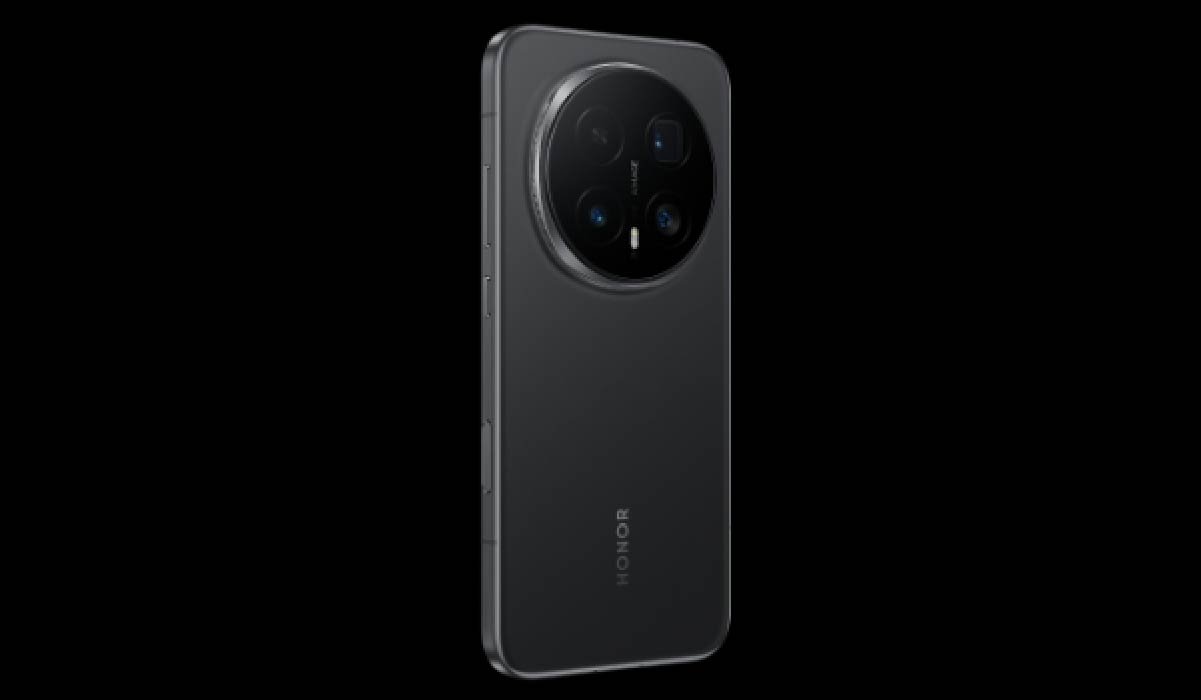
AI technologies are definitely transforming how we interact with our devices, providing previously inconceivable levels of customisation, security, and efficiency. These tools, which include AI-powered assistants, enhanced photography, and solid security protections, are making phones smarter and more user-centric. For example, the HONOR Magic 8 Pro price reflects the cutting-edge AI technology it incorporates, providing users with an advanced mobile experience. With AI continuously evolving, it’s exciting to imagine how these advancements will shape the future of mobile technology, bringing even more innovative features that will further enhance our daily lives. As AI becomes more embedded in our devices, we can expect even greater personalization and smarter functionalities that truly anticipate our needs.