



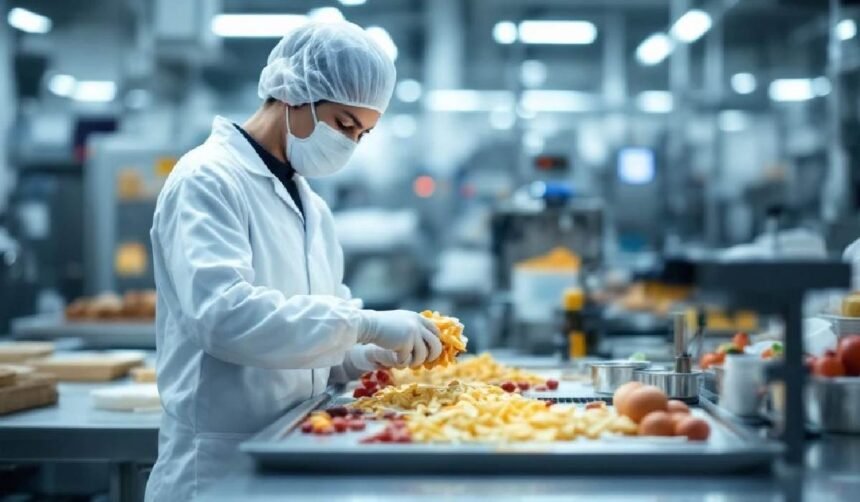
The food manufacturing industry has evolved rapidly in recent years, shaped by changing consumer expectations, technological advancements, and increased pressure on supply chains. Excellence in this space is no longer defined by output alone. Instead, it is a combination of quality, consistency, innovation, and responsibility that sets leading manufacturers apart from the rest.
Consistent Quality as a Foundation
At the heart of food manufacturing excellence lies consistent product quality. Consumers expect the same taste, texture, and appearance every time they purchase a product, regardless of where or when it was made. Achieving this level of uniformity requires rigorous quality control processes, reliable sourcing of ingredients, and precise production methods.
Manufacturers must implement strict monitoring systems throughout every stage of production, from raw material selection to final packaging. Even minor inconsistencies can damage brand reputation, making attention to detail a critical factor in maintaining trust and loyalty.
Innovation and Adaptability
The modern food landscape is constantly changing, driven by trends such as plant-based diets, health-conscious choices, and sustainability concerns. Excellence in food manufacturing means staying ahead of these trends and adapting quickly to meet new demands.
Innovative manufacturers invest in research and development to create new products and improve existing ones. This includes exploring alternative ingredients, enhancing nutritional profiles, and experimenting with new flavours and formats. Flexibility in production processes also allows businesses to pivot efficiently, ensuring they remain competitive in a dynamic market.
Strong Supply Chain Management
A reliable and efficient supply chain is another key component of excellence. Disruptions in sourcing, transportation, or distribution can have significant impacts on production timelines and product availability.
Leading manufacturers build strong relationships with suppliers and logistics partners to ensure a steady flow of high-quality ingredients. Transparency and traceability are also increasingly important, as consumers and regulators demand greater visibility into where food comes from and how it is produced.
By prioritising supply chain resilience, manufacturers can maintain consistent operations even in challenging conditions.
Commitment to Food Safety and Compliance
Food safety is non-negotiable in manufacturing. Excellence requires strict adherence to safety standards, regulations, and certifications. This includes maintaining clean production environments, implementing hazard analysis systems, and ensuring proper staff training.
Compliance is not just about meeting legal requirements. It is about protecting consumers and building confidence in the brand. Companies that go beyond minimum standards and actively invest in safety protocols demonstrate a genuine commitment to excellence.
Sustainability and Ethical Practices
Sustainability has become a defining factor in modern food manufacturing. Consumers are increasingly aware of the environmental and ethical impact of their food choices, and they expect manufacturers to take responsibility.
Excellence today involves reducing waste, minimising energy consumption, and sourcing ingredients responsibly. This might include using recyclable packaging, cutting down on food waste, or partnering with ethical suppliers.
By integrating sustainable practices into their operations, manufacturers not only contribute to a healthier planet but also strengthen their long-term viability and appeal.
Skilled Workforce and Strong Leadership
Behind every successful manufacturing operation is a skilled and motivated workforce. Employees play a vital role in maintaining quality, ensuring efficiency, and driving innovation.
Investing in staff training and development helps build expertise and fosters a culture of continuous improvement. Strong leadership is equally important, providing clear direction and encouraging collaboration across teams.
A company that values its people is better equipped to adapt, grow, and maintain high standards across all areas of production.
Meeting the Needs of Modern Foodservice
Today’s manufacturers must also understand the specific needs of the foodservice sector. From restaurants to catering providers, businesses rely on dependable partners who can deliver high-quality products at scale.
Working with experienced Foodservice Manufacturers helps ensure that kitchens can operate smoothly, with access to consistent, ready-to-use ingredients that meet professional standards. This partnership plays a crucial role in maintaining efficiency and quality across the wider food industry.
A Holistic Approach to Excellence
Ultimately, excellence in food manufacturing is not defined by a single factor. It is the result of a holistic approach that combines quality, innovation, safety, sustainability, and strong partnerships.
Manufacturers that embrace this comprehensive mindset are better positioned to meet the demands of today’s market while preparing for the challenges of tomorrow. By continuously refining their processes and staying aligned with consumer expectations, they set the benchmark for what true excellence looks like in the industry.