



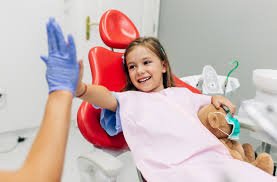
Dental visits don’t have to be a source of dread for your little ones. With the right strategies and a thoughtful approach, you can turn these appointments into positive experiences that your child might actually look forward to. Understanding how to prepare your child, both mentally and emotionally, for dental visits is crucial for building healthy oral care habits that stick. The secret isn’t complicated: it’s about starting early, communicating openly, and finding what works for your child’s individual temperament.
Start Dental Visits Early and Maintain Consistency
Getting your child comfortable with the dentist starts earlier than you might think. The American Academy of Pediatric Dentistry recommends scheduling that first dental visit by your child’s first birthday or within six months after their first tooth appears. This early introduction helps children get used to the sights, sounds, and sensations of the dental office before fear has a chance to take root. When dental appointments become a regular part of your child’s routine from an early age, they stop being scary unknowns and start feeling like normal checkups.
Prepare Your Child Through Positive Communication
The words you choose when talking about dental visits can make all the difference in how your child feels about them. Keep your explanations simple and age-appropriate, steering clear of scary words like “pain, ” “shot, ” or “drill” that might trigger unnecessary worry. Instead, focus on the fun parts, the dentist will count their teeth, make them sparkly clean, and help keep their smile bright and healthy. Children’s books about visiting the dentist or playing dentist at home can make the whole experience feel familiar and even enjoyable.
Create a Comfortable and Supportive Environment
The setting where your child receives dental care can significantly impact their comfort level and willingness to cooperate. Pediatric dental practices design their spaces with young patients in mind, featuring bright colors, kid-sized furniture, and staff specially trained in working with children. These offices often offer entertaining distractions in the waiting room, toys, books, tablets, or videos, that help children relax before their appointment begins. When you’re choosing where to take your child for oral health care, professionals specializing in Eastlake pediatric dentistry create welcoming environments specifically designed to put young patients at ease. During the appointment, your presence and demeanor can either calm or amplify your child’s anxiety, so staying relaxed and encouraging is essential. Some kids feel braver with a parent in the room, while others actually do better when they feel independent and grown-up on their own, talk with your dental provider about what works best for your child. A familiar comfort item from home, like a favorite stuffed animal or soft blanket, can provide that extra bit of security during the visit. Timing matters too, schedule appointments when your child is typically well-rested and happy, avoiding those cranky hours when hunger or tiredness might make cooperation nearly impossible.
Use Positive Reinforcement and Reward Systems
A well-designed reward system can work wonders in motivating children to cooperate during dental visits and creating positive associations with oral care. After a successful appointment, acknowledge your child’s cooperation with specific praise like “You did such an amazing job keeping your mouth open for the dentist” rather than generic compliments. Small, thoughtful rewards, stickers, a trip to the playground, or extra story time, can reinforce good behavior without sending mixed messages about oral health. Many dental offices hand out prizes or stickers after appointments, which gives kids something concrete to look forward to receiving.
Address Fear and Anxiety with Professional Techniques
When children show significant fear or anxiety about dental visits, specialized techniques can help them manage these big emotions more effectively. Distraction techniques, listening to music through headphones, watching movies on ceiling-mounted screens, or squeezing a stress ball, give anxious minds something else to focus on during procedures. Teaching simple deep breathing exercises before and during appointments gives children a practical tool for managing stress in the moment. Many pediatric dentists use the tell-show-do approach, which involves explaining a procedure in kid-friendly language, demonstrating it on a model or parent first, and then performing it on the child, this method takes the scary mystery out of dental work.
Build Long-Term Positive Associations with Oral Health
Creating lasting positive feelings about dental care extends far beyond the dental office and into the daily routines you establish at home. Turn tooth brushing into an activity your child enjoys by using colorful toothbrushes with their favorite characters, playing two, minute songs, or creating a fun brushing chart with small rewards for consistency. Talk about healthy teeth in ways that resonate with children, having a beautiful smile, being able to enjoy their favorite foods, and keeping tooth pain away. Never use dental visits as threats or punishments for not brushing properly, as this creates negative associations that amplify anxiety and resistance.
Conclusion
Making dental visits easier for children isn’t about any single trick or technique, it’s about combining early introduction, thoughtful communication, supportive environments, and ongoing positive reinforcement. These strategies work together to help your child build genuine confidence and comfort during dental appointments that will benefit them for years to come. Keep in mind that each child is wonderfully unique, so what works perfectly for one might not click with another, stay flexible and willing to adapt your approach based on what you observe. The time and energy you put into creating positive dental experiences during childhood pays off enormously through reduced anxiety, better oral health, and a lifetime of confident smiles.