There’s a quiet story unfolding in dental clinics across Antalya. Most weeks, the patient sliding into the chair has just stepped off a flight from Manchester, Birmingham, or Heathrow. They’ve spent eighteen months on an NHS waiting list. They’ve been quoted £15,000 by a private practice down the road from their house. Eventually they did the maths, booked a flight to Turkey, and found themselves here. DentPrime is one of the names that keeps surfacing at the end of that journey, and the story behind it says a lot about what’s actually happening to dental care in Britain.
The Crisis No One Wants to Name
UK dentistry is in a state most patients don’t fully grasp until they need treatment. NHS dental registration has effectively closed in large parts of the country. New patients are turned away in Cornwall, Kent, Devon, and across rural Scotland. Even existing patients face waiting lists that stretch past a year for anything more complicated than a check-up. The pressure has pushed dental care into the private sector, where a single zirconium crown costs £600 to £1,200 and a full Hollywood smile lands between £15,000 and £25,000.
For most working families, those numbers stop being a treatment plan and become a wall. That wall is what’s driving the quiet migration of British patients to Turkish clinics, and it’s why DentPrime now sees a steady flow of UK accents through its waiting room.
What Brings Them to Antalya
The choice of Turkey isn’t random. Direct flights connect Antalya to nearly every major UK airport in roughly four hours. The exchange rate works in sterling’s favour. The climate is mild for most of the year. And Antalya has built an entire infrastructure around international dental patients, from English-speaking clinical teams to hotels that handle long stays. The trip itself starts feeling less like a medical procedure and more like a planned reset.
What separates DentPrime from clinics that simply chase volume is the way the experience is structured. UK patients usually start with a free online consultation, send photos of their teeth, and receive a written treatment plan with a fixed quote before any commitment is made. The price they see is the price they pay. There are no surprise add-ons once they land at Antalya airport.
The Treatments British Patients Actually Want
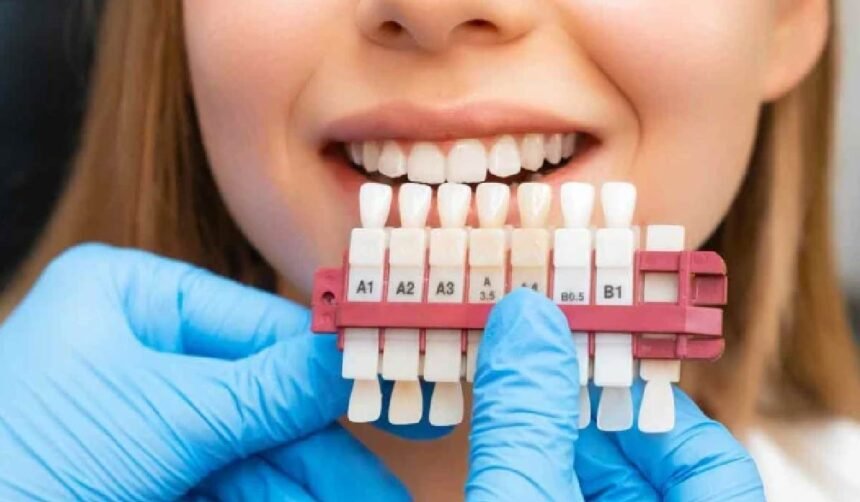
Two procedures dominate the UK patient list. The first is full-arch zirconium crowns for patients who’ve spent years masking damaged or discoloured teeth. The material is harder than porcelain, biocompatible with gum tissue, and engineered to last fifteen to twenty years without losing its appearance. A complete smile of sixteen zirconium crowns at DentPrime costs roughly €4,500 against the £18,000 quoted for the same work in London.
The second is laminate veneers for younger patients whose teeth are healthy but visually imperfect. Veneers cover only the front surface of the tooth, requiring minimal preparation and producing a near-instant cosmetic transformation. A full set of sixteen veneers in Antalya runs around €3,200, against £12,000 to £15,000 in UK private practice.
The materials in both cases come from the same European suppliers (Ivoclar, 3M, Zirkonzahn) that British dentists order from. The difference isn’t quality. It’s geography.
What Patients Actually Say
Reviews from UK patients who’ve been through DentPrime usually highlight three things: the clarity of communication before the trip, the calmness of the clinical work itself, and the fact that someone actually picked them up at the airport. For people who’ve spent months struggling with a UK dental practice that takes weeks to return a call, that level of care registers immediately.
The Bigger Picture
Britain’s dental crisis isn’t ending soon. NHS funding for dentistry has been falling in real terms for over a decade, and private practice has filled the gap with prices that exclude most of the population. For patients in that gap, Turkey has become the practical answer. DentPrime’s role in that story is small and specific: it’s the clinic that British patients keep recommending to other British patients. That word-of-mouth is harder to buy than any marketing campaign, and it’s why the waiting room in Antalya keeps filling with familiar accents.