



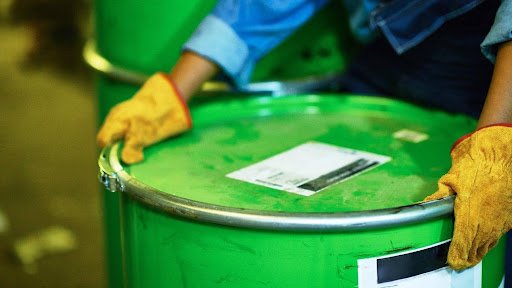
Chemical spills are among the most serious workplace incidents that businesses can face. Whether occurring in manufacturing plants, warehouses, laboratories, transportation facilities, or construction sites, spills can threaten employee safety, damage property, disrupt operations, and harm the environment. Even a small spill can result in costly cleanup efforts, regulatory penalties, and reputational damage if not handled properly.
The good news is that many chemical spills are preventable. By implementing effective safety measures, providing employee training, and maintaining proper storage and handling procedures, organizations can significantly reduce the risk of accidents. Understanding and following best practices for chemical management is essential for creating a safer and more compliant workplace.
Understand the Chemicals Used in Your Facility
The first step in preventing chemical spills is knowing exactly what substances are present in the workplace. Every chemical carries unique risks, handling requirements, and storage needs. Employers should maintain a complete inventory of all hazardous materials and ensure that Safety Data Sheets (SDS) are readily available.
Employees should understand:
- The properties of each chemical
- Potential health hazards
- Proper handling procedures
- Storage requirements
- Emergency response measures
A thorough understanding of workplace chemicals helps workers recognize risks and take appropriate precautions before accidents occur.
Establish Proper Chemical Storage Procedures
Improper storage is one of the leading causes of chemical spills. Chemicals should always be stored according to manufacturer recommendations and regulatory guidelines. Different substances may react dangerously when stored together, making proper segregation essential.
Effective storage practices include:
- Using approved storage containers
- Clearly labeling all containers
- Storing incompatible chemicals separately
- Keeping containers tightly sealed
- Maintaining proper ventilation
- Monitoring temperature and humidity levels
Storage areas should also be inspected regularly to identify damaged containers, leaks, or other potential hazards before they develop into larger problems.
Provide Comprehensive Employee Training
Employees play a critical role in spill prevention. Even the best safety procedures are ineffective if workers do not understand how to follow them correctly. Comprehensive training ensures that employees know how to handle chemicals safely and respond appropriately when hazards arise.
Training programs should cover:
- Chemical handling procedures
- Personal protective equipment (PPE) usage
- Spill prevention techniques
- Emergency response protocols
- Hazard communication standards
- Reporting procedures for leaks and spills
Regular refresher training helps reinforce safe practices and keeps employees informed about new hazards or updated regulations.
Use Appropriate Personal Protective Equipment
Personal protective equipment serves as an important line of defense against chemical exposure. While PPE does not directly prevent spills, it reduces the risk of injury when handling hazardous materials and encourages employees to follow safe work practices.
Common PPE may include:
- Chemical-resistant gloves
- Safety goggles
- Face shields
- Protective clothing
- Respirators
- Safety footwear
Employers should ensure that PPE is properly fitted, maintained, and replaced when necessary. Employees should also receive training on the correct use and limitations of their protective equipment.
Implement Routine Equipment Inspections
Faulty equipment can contribute to chemical leaks and spills. Pumps, valves, hoses, storage tanks, and transfer systems should be inspected regularly to identify signs of wear or damage.
A preventive maintenance program should include:
- Scheduled inspections
- Leak detection procedures
- Equipment testing
- Repair documentation
- Replacement of worn components
Addressing minor issues early can prevent larger failures that result in significant chemical releases.
Develop Clear Chemical Handling Procedures
Many workplace spills occur during the transfer, mixing, or transportation of chemicals. Establishing standardized handling procedures helps reduce human error and promotes consistency throughout the organization.
Best practices include:
- Following written operating procedures
- Using designated transfer equipment
- Avoiding overfilling containers
- Securing containers during transport
- Maintaining clean work areas
- Limiting distractions during handling operations
When employees follow clearly defined procedures, the likelihood of accidents decreases substantially.
Install Secondary Containment Systems
Secondary containment systems provide an additional layer of protection if a primary container fails. These systems are designed to capture leaks and spills before contaminants spread throughout the workplace or environment.
Examples include:
- Spill pallets
- Containment berms
- Drip trays
- Diked storage areas
- Double-walled tanks
Secondary containment can significantly reduce the impact of a spill and make cleanup efforts more manageable.
Conduct Regular Risk Assessments
Risk assessments help organizations identify vulnerabilities before incidents occur. By evaluating chemical processes, storage areas, and operational procedures, businesses can proactively address potential hazards.
A comprehensive risk assessment should examine:
- Chemical storage practices
- Employee work habits
- Equipment conditions
- Facility layout
- Emergency preparedness
- Environmental risks
Regular assessments allow organizations to adapt their safety programs as operations change and new risks emerge.
Maintain an Effective Spill Response Plan
Even with strong prevention measures in place, accidents can still happen. Every workplace that handles hazardous chemicals should have a detailed spill response plan ready for implementation.
A spill response plan should include:
- Emergency contact information
- Evacuation procedures
- Containment strategies
- Cleanup protocols
- Communication procedures
- Reporting requirements
Employees should know their responsibilities during a spill incident and participate in regular emergency drills to ensure preparedness.
Promote a Culture of Safety
One of the most effective ways to prevent chemical spills is to foster a workplace culture that prioritizes safety. When employees feel responsible for maintaining safe conditions, they are more likely to identify hazards and follow established procedures.
Organizations can strengthen safety culture by:
- Encouraging hazard reporting
- Recognizing safe behaviors
- Providing ongoing education
- Holding regular safety meetings
- Supporting continuous improvement efforts
A proactive safety culture creates an environment where spill prevention becomes part of everyday operations rather than an afterthought.
Monitor Compliance With Regulations
Regulatory compliance is an important component of chemical spill prevention. Federal, state, and local agencies establish requirements for hazardous material storage, handling, transportation, and emergency response.
Regular compliance audits help organizations identify gaps in their programs and ensure adherence to applicable regulations. Staying current with evolving requirements reduces legal risks while supporting overall workplace safety.
Learn From Near Misses and Incidents
Every spill, leak, or near miss provides valuable information that can help prevent future incidents. Organizations should thoroughly investigate all events, regardless of severity, to identify root causes and implement corrective actions.
Lessons learned may lead to improvements in:
- Training programs
- Equipment maintenance
- Operational procedures
- Safety policies
- Emergency preparedness plans
Continuous learning helps strengthen prevention efforts and reduces the likelihood of recurring problems.
Conclusion
Preventing chemical spills requires a combination of proper planning, employee training, equipment maintenance, and ongoing vigilance. Organizations that prioritize chemical safety not only protect their workers but also safeguard the environment, maintain regulatory compliance, and reduce financial risks.
By implementing best practices such as proper storage, routine inspections, risk assessments, and comprehensive training programs, businesses can significantly lower the chances of a spill occurring. However, no prevention strategy is foolproof. In situations where an incident does occur, having access to professional resources such as Chemical Spill Cleanup in Atlanta, GA can help organizations respond quickly and minimize the impact on people, property, and the environment.
A proactive approach to spill prevention is ultimately an investment in workplace safety, operational continuity, and environmental responsibility.