



Four Magazine
Search
  • Home
  • Entertainment
  • Technology
  • Life Style
  • Fashion
  • Business
  • Contact Us
Reading: How to Decide If a High-Efficiency Reverse Osmosis System Is Worth the Investment
Share
Aa
Four MagazineFour Magazine
  • Home
  • Entertainment
  • Technology
  • Life Style
  • Fashion
  • Business
  • Contact Us
Search
  • Home
  • Entertainment
  • Technology
  • Life Style
  • Fashion
  • Business
  • Contact Us
Follow US
Made by ThemeRuby using the Foxiz theme. Powered by WordPress
Four Magazine > Blog > Business > How to Decide If a High-Efficiency Reverse Osmosis System Is Worth the Investment
Business

How to Decide If a High-Efficiency Reverse Osmosis System Is Worth the Investment

By Darren June 16, 2026 4 Min Read
Share

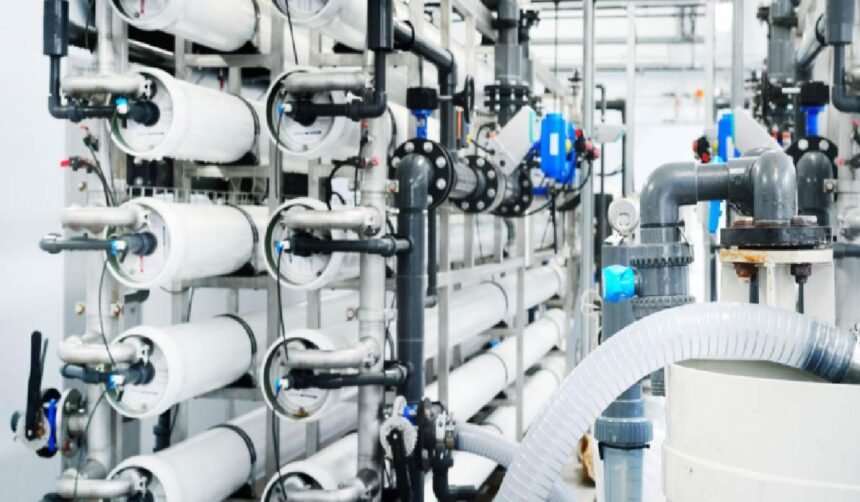
A high-efficiency reverse osmosis system can be a smart investment for facilities that need reliable water quality while keeping operating costs under control.

Contents
What Makes Reverse Osmosis More Efficient?Look At Your Water Usage FirstConsider The Cost Beyond Purchase PriceThink About Water Quality RequirementsWhen The Investment Makes Sense

For many businesses, water is not just a utility. It affects production, equipment life, product quality, cleaning results, and daily operations. Before making a purchase, it helps to understand what makes a system “high-efficiency” and whether the savings and performance benefits match your actual water demand.

What Makes Reverse Osmosis More Efficient?

Reverse osmosis works by pushing water through a membrane that removes dissolved minerals, salts, and other unwanted contaminants. A standard system can waste a fair amount of water during this process, depending on the equipment’s design and condition.

A high-efficiency reverse osmosis system is designed to recover more usable water and send less water to drain. It may also use better controls, pumps, membranes, and monitoring tools to reduce waste and improve consistency.

That level of efficiency becomes especially important for facilities that rely on high volumes of water daily.

Look At Your Water Usage First

The first question is simple: how much purified water does your facility actually need?

A smaller operation may not recover enough savings to justify a larger or more advanced system. A facility with steady daily demand, however, may see a stronger return over time.

A high-efficiency system may be worth considering if your business:

  • Uses large volumes of water daily
  • Pays high water or sewer costs
  • Needs consistent water quality
  • Has equipment been affected by scale or mineral buildup
  • Wants to reduce water waste
  • Plans to expand production or operations

The more water your facility uses, the more important recovery rate and long-term efficiency become.

Consider The Cost Beyond Purchase Price

It is easy to compare systems by upfront cost, but that does not show the full picture. A lower-cost system may use more water, require more maintenance, or need replacement parts more often.

A higher-efficiency system may cost more upfront, but it can reduce expenses over time through reduced water waste, improved membrane performance, and fewer interruptions.

When comparing options, look at:

  • Equipment cost
  • Installation cost
  • Water and sewer savings
  • Energy use
  • Filter and membrane replacement
  • Maintenance needs
  • Downtime risks

A practical decision should be based on total operating cost, not only the initial quote.

Think About Water Quality Requirements

Not every facility needs the same level of water treatment. Food and beverage operations, manufacturing plants, healthcare facilities, laboratories, and commercial buildings may all have different requirements.

Some businesses need purified water to protect equipment. Others need it to support product quality or meet process standards. In these cases, commercial water purification systems should be sized and designed around the actual use case, not just general capacity.

Testing your source water is also important. Hardness, total dissolved solids, chlorine, iron, and other factors can affect system design and maintenance needs.

When The Investment Makes Sense

A high-efficiency system is usually worth the investment when water costs, wastewater fees, production needs, or quality concerns are significant enough to create long-term value.

It may also make sense when an older system is wasting too much water, causing frequent service problems, or no longer meeting demand. In those cases, upgrading can improve both cost control and daily reliability.

The best approach is to compare your current water usage, treatment goals, and operating costs against the expected performance of the new system. That gives you a clearer view of whether the investment is truly practical for your facility.


 

Sign Up For Daily Newsletter

Be keep up! Get the latest breaking news delivered straight to your inbox.
[mc4wp_form]
By signing up, you agree to our Terms of Use and acknowledge the data practices in our Privacy Policy. You may unsubscribe at any time.
Share This Article
Facebook Twitter Email Copy Link Print
Leave a comment Leave a comment

Leave a Reply Cancel reply

Your email address will not be published. Required fields are marked *

SUBSCRIBE NOW

Subscribe to our newsletter to get our newest articles instantly!

[mc4wp_form]

HOT NEWS

How Much Does It Cost to Replace Windows in a 3-Bed House?

It is one of the most common questions homeowners type into a search engine: how…

November 18, 2026

The Hidden Extras in Cheap All-Inclusive Umrah Packages and How to Spot Them

A low headline price is the first thing most people notice when they compare Umrah…

November 12, 2026

More Ad Variations, One Clear Idea: Keeping a Campaign Coherent

Advertising teams often face two competing pressures. They need a clear, consistent idea, but they…

November 6, 2026

Recent Post

  • How Much Does It Cost to Replace Windows in a 3-Bed House?
  • The Hidden Extras in Cheap All-Inclusive Umrah Packages and How to Spot Them
  • More Ad Variations, One Clear Idea: Keeping a Campaign Coherent
  • What Next After Estimating Your House Price?
  • How to Select Blank Sweatshirts for Printing and Embroidery

YOU MAY ALSO LIKE

Why Practical Risk Management Belongs in Every London Business Plan

Running a business in London means managing more than sales, staffing and customer expectations. Every workplace also has hazards that…

Business
October 9, 2026

Innovata.net reviews Introduces Purpose-Built Digital Platforms for Modern Teams

As organisations rethink how teams interact with technology, there is growing demand for digital platforms designed around specific operational requirements…

Business
October 6, 2026

How AstroLabs Supports Enterprise Companies Through Every Stage of Saudi Arabia Market Entry

Saudi Arabia's enterprise opportunity is clear. The challenge is operational execution. For enterprise companies, Saudi Arabia market entry spans licensing,…

Business
October 2, 2026

Brand Identity and Product UX Should Meet Before the Redesign Starts

Why brand and product UX need to share a discovery phase before a redesign starts, and what tends to break…

Business
August 21, 2026

Welcome to Four Magazine your ultimate online destination for the latest news, trends, and insights across a wide range of topics. Whether you’re looking to stay updated on business developments, explore tech innovations, catch up on fashion trends, or improve your lifestyle, we’ve got you covered.

Contact us At: contact.fourmagazine.co.uk@gmail.com

  • Home
  • Entertainment
  • Technology
  • Life Style
  • Fashion
  • Business
  • Contact Us
  • Home
  • Disclaimer
  • Privacy & Policy
  • About Us
  • Contact Us

Follow US: 

© 2025 Four magazine All Rights Reserved

Welcome Back!

Sign in to your account

Lost your password?