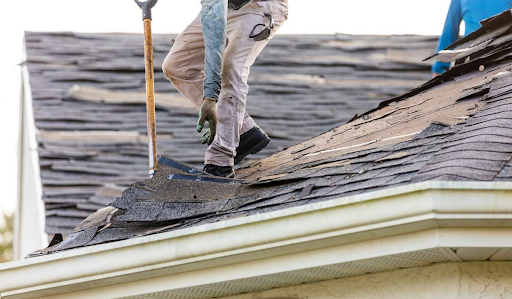
Severe weather can turn a normal day into a stressful situation for any homeowner. High winds, hail, and heavy rain can cause sudden roof damage that leaves your home exposed and vulnerable. In these moments, knowing what happens next can make a big difference in how quickly and effectively your property is restored.
Understanding the process helps you act with confidence instead of panic. From emergency response to final repairs, here is what you can expect when working with professionals after a storm.
Immediate Response and Safety Assessment
The first step after a storm is usually a rapid response. A professional team will prioritize safety before anything else. This includes checking for hazards such as loose roofing materials, exposed nails, or structural instability.
At this stage, a Roofing company typically focuses on stabilizing the situation rather than performing full repairs. Temporary protection may be installed to prevent further water intrusion or damage. This can include tarping exposed areas or sealing obvious entry points.
The goal is simple: stop the damage from getting worse while planning the next steps.
Initial Roof Inspection and Damage Evaluation
Once the immediate risks are controlled, a detailed inspection is carried out. This step is crucial because storm damage is not always visible from the ground.
Professionals will assess:
- Missing or lifted shingles
- Dented or cracked roofing materials
- Damaged flashing around vents and chimneys
- Water intrusion inside the attic
- Structural weakening in roof decking
A reliable Roofing company will document all findings with photos and detailed notes. This documentation is often essential for insurance claims and helps ensure nothing is overlooked during the repair process.
Emergency Storm Damage Roof Repair Measures
After the inspection, the next step is often storm damage roof repair on an emergency basis. These repairs are designed to prevent further deterioration rather than fully restore the roof immediately.
Emergency repairs may include:
- Installing waterproof tarps
- Sealing active leaks
- Replacing missing shingles temporarily
- Reinforcing weakened sections
The purpose of this stage is protection. It buys time for insurance processing and more permanent repair planning.
Insurance Claim Assistance and Documentation
One of the most important services provided after storm damage is help with insurance claims. Many homeowners are unsure how to document damage or communicate with their insurance provider.
A professional Roofing company often assists by providing:
- Detailed inspection reports
- Photographic evidence of damage
- Repair estimates
- Written assessments for adjusters
This support helps speed up the claims process and reduces the chance of missed or undervalued damage. Insurance companies rely heavily on professional documentation to approve coverage.
Full Damage Assessment and Repair Planning
Once insurance is involved and emergency measures are in place, a more detailed repair plan is created. This step outlines exactly what needs to be fixed or replaced.
During this phase, experts evaluate whether:
- Repairs are sufficient
- Partial replacement is needed
- A full roof replacement is necessary
Comprehensive storm damage roof repair planning ensures that all hidden issues are addressed, not just visible ones. Storms often cause underlying damage that can worsen over time if ignored.
Material Selection and Repair Strategy
After assessing the damage, the next step is choosing materials for repair. Matching existing roofing materials is important for both appearance and performance.
Factors considered include:
- Roof type and age
- Weather resistance requirements
- Budget and insurance coverage
- Long-term durability
A well-planned storm damage roof repair strategy ensures that repaired sections blend seamlessly with the existing roof while improving overall strength where possible.
Execution of Roof Repairs
Once everything is approved, the actual repair work begins. This stage may vary depending on the extent of the damage.
Typical repair work includes:
- Removing damaged sections
- Replacing shingles or panels
- Repairing underlayment layers
- Fixing flashing and sealing joints
- Restoring structural components if needed
A professional Roofing company ensures that each step follows proper safety and installation standards. Quality workmanship during this phase is critical to preventing future leaks or failures.
Final Inspection and Quality Check
After repairs are completed, a final inspection is conducted. This ensures that all work meets safety standards and that no damage has been missed.
Inspectors will check:
- Leak prevention effectiveness
- Proper sealing and installation
- Structural stability
- Cleanliness of the work area
This final step confirms that the roof is fully restored and ready to withstand future weather conditions.
Cleanup and Site Restoration
Storm repair work often leaves behind debris, including old roofing materials, nails, and packaging. A professional cleanup ensures the property is safe and visually restored.
A responsible Roofing company will remove all debris, inspect the surrounding area for hazards, and leave the site in clean condition. This step is often overlooked but is essential for safety and homeowner satisfaction.
Preventing Future Storm Damage
Once repairs are complete, many homeowners choose to take preventative steps to reduce future risk. This may include:
- Upgrading roofing materials
- Improving drainage systems
- Reinforcing weak areas
- Scheduling regular inspections
Preventative maintenance reduces the chances of repeated storm damage roof repair needs and extends the overall life of the roof.
How Long the Process Usually Takes
The timeline for storm damage recovery depends on severity, weather conditions, and insurance processing speed.
Minor repairs may take a few days, while major restoration projects can take several weeks. Emergency stabilization is usually done immediately, but full restoration takes longer due to planning and approvals.
Understanding this timeline helps homeowners manage expectations and reduce stress during the recovery process.
Conclusion
Storm damage can be overwhelming, but knowing what to expect makes the recovery process more manageable. From emergency response to full restoration, each step plays an important role in protecting your home and preventing further damage.
A structured approach ensures that nothing is missed and that repairs are done correctly the first time. With proper support, even severe storm damage can be resolved efficiently and safely.
Working with a professional Roofing company ensures expert evaluation, timely repairs, and reliable long-term protection. At the same time, well-executed storm damage roof repair helps restore structural integrity and prevent future issues.
In the end, preparation, response, and quality workmanship are what turn a stressful storm situation into a successful recovery.