



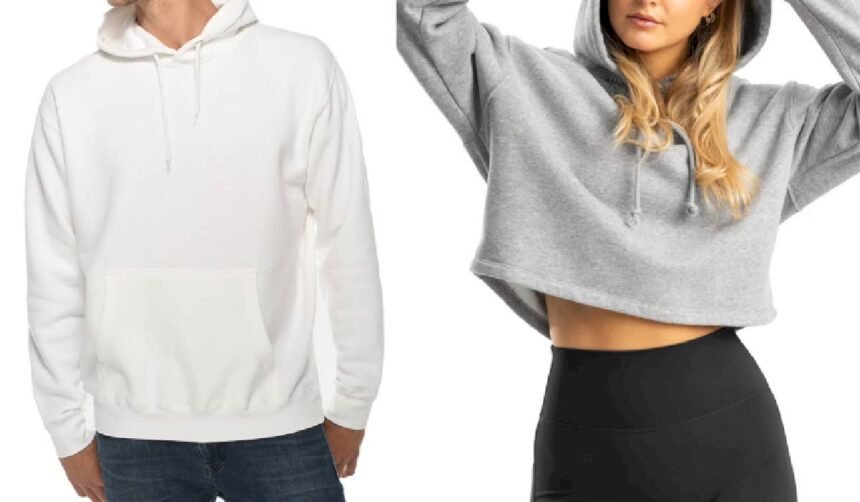
Executing high-quality decorated apparel requires a thorough understanding of how raw textiles interact with mechanical needles, liquid inks, and high-temperature curing equipment. When apparel decorators, screen printers, and embroidery shops receive bulk orders, the quality of the blank fleece garment directly influences the final aesthetic and physical durability of the design. Selecting an incompatible fleece blank often results in blurred screen prints, dye migration through light-colored inks, or severe fabric puckering around dense embroidery stitches.
Mastering the selection process requires looking past basic sizing labels to examine fiber morphology, yarn spinning techniques, surface density, and seam stability. Rather than treating fleece blanks as generic commodity items, professional decorators evaluate them as engineered printing canvases. The right blank garment ensures vibrant ink adhesion, crisp thread definition, and structural shape retention across repeated commercial wash cycles.
Yarn Construction and Fabric Face Engineering
The surface smoothness of a fleece sweatshirt is dictated by the method used to spin the exterior cotton yarns. Understanding these spinning techniques helps decorators select the right canvas for their chosen decoration process.
Carded open-end cotton yarns represent the traditional, cost-effective manufacturing standard. During open-end spinning, short, unaligned staple fibers are twisted together into yarn, producing a textured, slightly fuzzy surface. While carded fleece provides solid durability for high-volume commercial runs, its prominent surface fuzz can cause ink fibrillation during screen printing, where loose fibers push up through wet ink layers and mute fine graphic details.
Combed ring-spun cotton offers a premium, ultra-smooth alternative. The raw cotton fibers undergo intensive combing to remove short, irregular strands while aligning the remaining long-staple fibers in parallel lines before tightly twisting them into yarn. This produces a dense, flat, and lint-free exterior face that allows fine halftones and intricate direct-to-film transfers to sit smoothly without absorbing uneven amounts of ink.
Sourcing a classic Gildan sweatshirt provides commercial screen printers with a reliable, durable blend built with dense stitch spacing. These industry-standard blanks offer predictable ink coverage and steady curing results when running standard plastisol ink formulations on automated textile presses.
Two-end fleece knits combine a face yarn and a looped backing yarn, creating a classic casual fleece with moderate density. Three-end fleece incorporates an additional intermediate tie yarn between the face and backing, creating a tight physical barrier that prevents polyester fibers from migrating into the outer cotton layer during high-heat curing tunnels.
The Decorator’s Canvas: Blank Crewneck Sweatshirts
When planning high-volume print runs or intricate multi-location embroidery orders, utilizing blank crewneck sweatshirts provides clear operational efficiencies across automated production floors. The absence of kangaroo pockets, drawstring eyelets, and hanging hood panels eliminates common physical obstacles on the print floor.
Crewneck fleece loads smoothly onto flat press pallets, ensuring even squeegee pressure and consistent ink deposits from the top collar line down to the lower hem.
The flat, continuous surface across both the chest and back gives decorators unrestricted space for wide typographic prints, detailed company seals, and expansive back artwork without the risk of ink bleeding over pocket seams or hiding beneath relaxed hood folds.
Evaluating Printing Techniques: Plastisol, Water-Based, and Direct-to-Film
Matching the decorating methodology to the textile’s fiber blend is essential for producing vibrant, long-lasting prints:
Plastisol screen printing remains the industry benchmark for high-opacity graphics on poly-cotton fleece. Plastisol inks consist of PVC particles suspended in a plasticizing liquid, forming a mechanical layer that sits on top of the fabric rather than penetrating the fibers. High-density fleece faces support thick plastisol ink deposits without excessive sinking, keeping vibrant whites and fluorescent shades bright on dark fleece blanks.
Water-based and discharge inks require a high cotton content, ideally eighty percent or higher on the face fabric. These inks chemically bond with or dye the raw cotton cellulose fibers, creating an exceptionally soft, breathable hand-feel that cannot be felt to the touch. Applying discharge inks to high-polyester garments causes muted, inconsistent colors because synthetic polyester fibers do not react with traditional discharge bleaching agents.
Direct-to-film and direct-to-garment digital processes demand smooth, ring-spun cotton faces. The fine droplets of water-based digital inks require a compact, lint-free yarn bed to prevent microscopic dot gain, ensuring sharp typographic edges and photorealistic photographic prints.
Embroidery Dynamics: Backing Stability and Fabric Density
Applying high-density machine embroidery to knit fleece introduces physical challenges distinct from screen printing. Knitted fleece fabrics naturally stretch and compress under tension, meaning that thousands of penetrating needle strokes can easily distort the underlying textile grid.
Without proper stabilization, dense satin stitches pull the surrounding fleece inward, creating unsightly fabric puckering along lettering contours and graphic borders.
To prevent puckering, embroidery technicians match garment fabric weight with structural cut-away or tear-away backings. A sturdy two-to-three-ounce cut-away backing remains permanently behind the fleece, providing a rigid foundation that holds intricate company logos and monogram crests flat through laundering.
Utilizing a light water-soluble topping film on the exterior fleece face is equally critical. The topping film acts as a temporary barrier that keeps small embroidery stitches from sinking into the soft fleece pile, ensuring that fine serifs and delicate details stand crisp and elevated above the fabric surface.
Pre-Shrinking, Seam Integrity, and Dimensional Stability
A well-decorated sweatshirt loses its commercial value if the garment twists or shrinks substantially after the customer washes it. Professional decorators examine garment finishing processes to verify long-term dimensional stability.
Garments made from pre-shrunk fabrics undergo industrial washing, steaming, and compressive compaction before cutting, significantly minimizing residual shrinkage in household dryers.
Tubular knits are spun in continuous seamless cylinders, providing a clean wrap-around surface without side seams. However, decorators must ensure tubular fleece is quarter-turned during finishing to remove the natural center crease from the center chest, preventing crooked prints.
Side-seamed garments feature dedicated panels sewn down the torso edges, providing a tailored, retail-ready fit that resists twisting around the torso after repetitive laundering cycles. Double-needle stitching across the collar, armholes, and waist ribbing guarantees that seam allowances remain flat and secure under daily wear.
Quality Standards and Production Consistency
Scaling a custom apparel business requires partnering with reliable blank distribution networks that maintain exact color matching, weight tolerances, and inventory availability across seasons. Variations in fleece weight or fiber blends between production batches can force decorators to readjust ink formulas and press flash times, slowing down print operations.
Checking the recovery of elastane-reinforced cuffs, evaluating fleece backing softness, and confirming consistent dye lots ensures that clients receive uniform, professional merchandise on every order.
Building a Dependable Custom Apparel Foundation
Selecting the right blank sweatshirts requires balancing fiber composition, yarn smoothness, and construction stability against the requirements of printing and embroidery equipment. By matching smooth ring-spun cotton faces to detailed screen prints, pairing sturdy poly-cotton blends with high-speed plastisol production, and stabilizing dense fleece for precision embroidery, decorators deliver retail-ready results on every run.
Viewing blank garments as the foundation of your craft elevates the final product, turning everyday fleece into durable, vibrant merchandise that clients wear with pride.