



Introduction
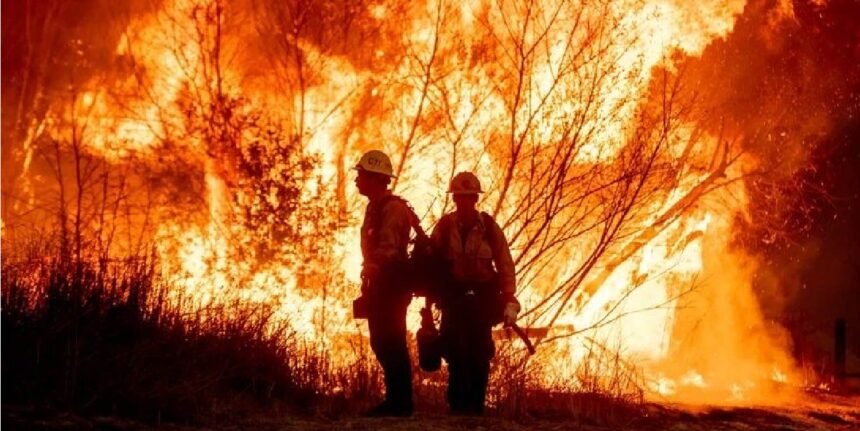
Fire is one of the most destructive natural forces on the planet. In a matter of minutes, it can transform homes, landscapes, and entire communities into ash. But while fire may seem uncontrollable, the damage it causes often isn’t. Through careful planning, strategic action, and proactive maintenance, the risk can be significantly reduced. That’s where fire mitigation becomes crucial.
Fire mitigation refers to the comprehensive set of strategies, techniques, and practices aimed at minimizing the impact of wildfires or structural fires on people, property, and the environment. It’s not just a one-time effort but an ongoing process that includes vegetation management, building design, land use planning, and community education.
In this in-depth guide, we’ll explore what fire mitigation is, why it matters, how it works, and what steps individuals, property owners, and communities can take to protect lives and assets before disaster strikes.
Understanding the Fire Triangle
To effectively mitigate fire risks, it’s important to understand how fires start and spread. At its core, fire requires three components—often referred to as the fire triangle:
- Heat
- Fuel
- Oxygen
Eliminate or control any one of these elements, and a fire cannot ignite or continue burning. Fire mitigation practices target at least one of these three points, with a heavy emphasis on reducing available fuel and preventing excessive heat buildup near vulnerable structures.
Why Fire Mitigation Is Essential
Every year, wildfires and structural fires cause billions of dollars in damage, displace families, destroy ecosystems, and, tragically, result in loss of life. In many cases, this devastation could be greatly reduced through preemptive action.
1. Protecting Lives
The foremost goal of any fire prevention effort is to ensure the safety of people. By reducing the risk and spread of fire, evacuation becomes easier and emergency services can respond more effectively.
2. Preserving Property
Homes, businesses, and critical infrastructure can often be saved through fire-resistant construction, defensible space, and routine maintenance.
3. Reducing Recovery Costs
Fire mitigation is more cost-effective than disaster response. The cost of prevention is a fraction of what’s required for cleanup and rebuilding after a fire event.
4. Environmental Stewardship
Large fires destroy habitats, pollute air and water, and contribute to soil erosion. Proper management of land and vegetation can keep ecosystems healthier and more resilient.
Core Principles of Fire Mitigation
Fire mitigation is multi-layered, involving both personal and community-level strategies. Below are the primary components:
- Creating Defensible Space
Defensible space is the buffer zone between a structure and surrounding vegetation or flammable materials. It gives firefighters a safer area to work in and can stop or slow the advance of fire.
Three Zones of Defensible Space:
- Zone 1 (0–5 feet): The immediate zone around buildings. Remove flammable materials such as dead plants, wood piles, mulch, and dry leaves. Use fire-resistant landscaping and non-combustible hardscaping.
- Zone 2 (5–30 feet): Reduce fuel by thinning trees, pruning branches, and maintaining healthy vegetation. Keep grass short and well-irrigated.
- Zone 3 (30–100 feet): Focus on fuel reduction and forest health. Remove dead trees, debris, and dense brush. Maintain spacing between tree canopies.
- Fire-Resistant Building Materials
Using materials that are less likely to ignite can greatly enhance a structure’s chance of surviving a fire.
Recommended materials include:
- Class A roofing: Composite shingles, metal, or tile
- Tempered glass windows: Resistant to heat and flying embers
- Fiber cement siding or stucco: Fire-resistant alternatives to wood
- Metal or mesh vent coverings: Prevent embers from entering crawl spaces and attics
Fire mitigation involves ensuring that not just the structure, but all the materials surrounding it, contribute to overall fire resistance. Property owners who take these steps often work with experts in fire damage restoration Henderson to ensure long-term resilience and address vulnerabilities effectively.
- Vegetation and Fuel Management
Since vegetation is one of the most common fuels in a fire, its careful management is essential.
Key actions include:
- Pruning tree limbs at least 6–10 feet from the ground
- Spacing trees and shrubs appropriately to prevent crown fires
- Removing invasive plant species that are more flammable
- Cleaning up fallen leaves, pine needles, and other debris regularly
Regularly maintained landscapes are less likely to ignite and spread fire quickly, especially in dry or windy conditions.
- Firebreaks and Access Routes
Creating breaks in fuel continuity—such as gravel paths, driveways, or green lawns—can stop fire progression. Additionally, accessible roads and clear signage are critical for firefighter entry and evacuation.
Suggestions:
- Ensure driveways are wide and stable enough for emergency vehicles
- Maintain clear access routes with no low-hanging branches or overgrowth
- Designate and mark evacuation paths clearly for all residents
- Emergency Preparedness and Community Involvement
Even with all physical defenses in place, preparedness is key to effective mitigation.
Essential steps include:
- Developing an evacuation plan and practicing it regularly
- Assembling emergency supply kits
- Staying informed with alerts and weather warnings
- Participating in community-wide fire drills and training programs
Communities that organize together around fire mitigation tend to experience lower losses and quicker recoveries when fires do occur.
Technology and Innovations in Fire Mitigation
New technologies are enhancing how fire risks are identified, monitored, and managed.
1. Satellite Imaging and AI
High-resolution satellite imagery combined with AI can detect dry conditions, fuel buildup, and changes in land use, providing early warning signs of fire risks.
2. Smart Irrigation and Sensor Systems
Sensors in vegetation can monitor moisture levels and trigger automated irrigation, keeping critical zones hydrated during dry spells.
3. Drones
Unmanned aerial vehicles can survey large or hard-to-reach areas, assess damage, and track active fire behavior without risking human lives.
4. Fire-Resistant Coatings
Spray-on fire retardants can be applied to homes and surrounding vegetation in high-risk seasons to add a layer of temporary defense.
When to Consult Professionals
While many fire prevention tasks can be done by property owners, certain aspects are best handled by professionals.
You may need expert help when:
- Managing large-scale vegetation removal
- Conducting controlled burns for fuel reduction
- Retrofitting structures with fire-resistant materials
- Navigating complex zoning or building codes related to fire safety
Hiring professionals who specialize in fire mitigation ensures compliance with best practices and may reduce insurance premiums.
Insurance and Legal Considerations
Fire mitigation efforts can have a significant impact on insurance coverage. Insurers increasingly assess mitigation steps when determining coverage eligibility and premiums.
To support your case:
- Keep records of all mitigation activities (photos, receipts, plans)
- Conduct property assessments with certified inspectors
- Check with your insurance provider for potential discounts
Legal responsibility can also arise if poor property management leads to fire spread. Staying proactive protects not only your own property but also neighboring ones.
Long-Term Benefits of Fire Mitigation
The investment in fire mitigation pays dividends far beyond immediate risk reduction.
1. Increased Property Value
Homes with documented fire safety features and defensible space are more attractive to buyers.
2. Peace of Mind
Knowing you’ve taken steps to protect your family and assets reduces stress during wildfire seasons.
3. Community Resilience
Neighborhoods that plan and act together recover faster and experience fewer losses.
Fire mitigation is not just a technical task; it’s a commitment to safety, sustainability, and responsible living.
Conclusion
Fire is a powerful force, but its destruction doesn’t have to be inevitable. Through thoughtful planning, responsible land use, and collective action, communities and individuals can reduce risk and increase resilience. Whether it’s trimming trees, using non-flammable building materials, or staying informed about conditions, every action contributes to a safer environment.
The practice of fire mitigation in Littleton is ongoing. As climate conditions change and urban areas expand into natural zones, the need for proactive strategies becomes even more critical. It’s not just about protecting buildings—it’s about safeguarding lives, ecosystems, and the future.
Taking the steps today to assess vulnerabilities and strengthen your defenses ensures that when the heat is on, you’re not caught off guard. Fire may be inevitable—but widespread damage doesn’t have to be.