



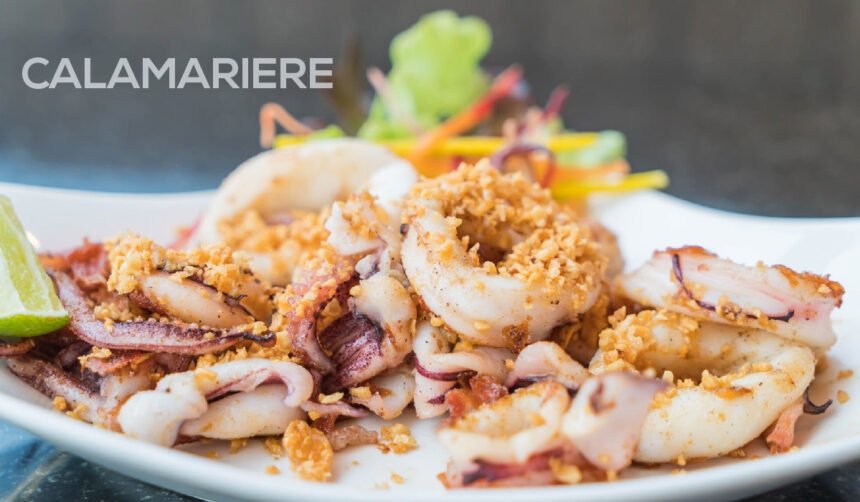
What Is Calamariere?
Calamariere is a fascinating term that sparks both curiosity and familiarity. At first glance, it resembles “calamari,” the well-known Italian word for squid that is used globally to describe a popular seafood delicacy. However, the term “calamariere” adds an intriguing twist. It has surfaced across recipe blogs, culinary writeups, and even SEO experiments, presenting itself as either a regional specialty, a pasta shape, or a curious culinary invention.
While some websites describe it as a Mediterranean dish featuring squid or squid-shaped pasta, others suggest it might be a mistaken or fabricated word aimed at drawing attention. This dual nature—half culinary term, half linguistic enigma—makes calamariere worth exploring in depth. In this article, we’ll uncover everything there is to know about calamariere: its etymology, historical roots, food-related applications, cultural significance, global interpretations, nutritional benefits, and even the online safety considerations surrounding the term. Whether you’ve seen it on a menu, a cooking site, or stumbled upon it during a Google search, the world of cala mariere is richer and more layered than you might expect.
Origins and Etymology of Calamariere
The linguistic roots of calamariere can be traced to its clear resemblance to the word “calamari.” In Italian, “calamari” means squid and is derived from the Latin “calamarium,” or inkpot, referencing the squid’s inky defense mechanism. The suffix “-iere” is reminiscent of other Italian terms such as “cavaliere” (knight) or “camariera” (waitress), possibly implying profession, role, or association. However, cala mariere itself doesn’t exist in standard Italian or English dictionaries.
This suggests that it may have originated as a hybrid term—either as a creative naming convention in the culinary world or a typographical anomaly that caught on. In the digital age, such non-standard or fabricated words often emerge through blog posts, SEO tactics, or content repurposing, where small changes in spelling are used to capture a broader keyword audience. This blend of real linguistic structure and speculative intent makes calamariere both a semantic mystery and a modern linguistic artifact.
Calamariere in the Mediterranean Culinary Tradition
To understand the culinary application of calamariere, we must first explore squid’s long-standing importance in Mediterranean cuisine. In ancient Greece and Rome, squid was considered a delicacy. Archaeological evidence, including pottery and amphorae, depicts seafood feasts where squid was grilled or stewed. Italians, especially those living along the coastlines of Sicily, Calabria, and Campania, have incorporated calamari into daily meals for centuries.
Traditionally, it’s served fried (fritto misto), stuffed with breadcrumbs and herbs, or gently simmered in tomato sauce. The rise of calamariere as a word likely taps into this rich culinary history, echoing the centrality of squid in Mediterranean gastronomy. Whether it refers to a dish, pasta, or a creative culinary interpretation, the Mediterranean backdrop provides the perfect canvas for its flavor profile and cultural appeal.
Is Calamariere a Real Dish or a Digital Illusion?
When examining whether calamariere is a real dish or a fabricated term, we encounter a gray area. Some niche food blogs and recipe aggregators list calamariere as a seafood-based Mediterranean entrée, but their descriptions often mirror classic calamari preparations. There’s usually no additional specificity that distinguishes cala mariere as a unique dish. This lack of culinary uniqueness has led many to believe the term is an SEO invention—perhaps a typo of “calamari” or a keyword variation designed to generate web traffic.
In some cases, entire articles are built around this term despite offering no new culinary content, highlighting how digital manipulation can shape food vocabulary. Therefore, while calamariere might be served as a squid-based meal somewhere in the world, its broader online presence is shaped more by content strategies than by culinary innovation.
Calamariere as a Pasta Shape
Beyond its potential seafood definition, calamariere has also been described as a regional Italian pasta, particularly in Calabria. This pasta is tubular and wide, resembling the body of a squid—hence its name. Similar to paccheri or calamaretti pasta, cala mariere is designed to hold thick sauces and seafood ingredients within its ridges and interior. Handmade versions are slightly curved and offer a rustic, artisanal look
. Traditional recipes include pairing calamariere pasta with tomato-based seafood sauces, olive oil, garlic, and fresh herbs. The shape itself offers a dual visual and textural experience that complements hearty dishes. While it remains under-recognized compared to mainstream pasta types, cala mariere pasta celebrates the same cultural reverence for seafood that defines much of southern Italy’s gastronomy.
Global Interpretations and Variations of Calamariere
While calamariere is rooted in Mediterranean cuisine, its variations and inspirations can be found globally. In Spain, the closest relative is “Calamares a la Romana,” where squid rings are battered and fried to golden perfection and often served with aioli. In Japan, grilled squid (ikayaki) or squid tempura mirrors the same simplicity and respect for freshness. Southeast Asia offers bold versions—grilled calamari skewers marinated in chili-lime sauce or squid tossed in fiery sambal. Modern fusion kitchens have embraced the idea with calamari tacos, squid-ink pasta, and even calamari burgers. These diverse interpretations reflect the squid’s adaptability and reinforce why a term like calamariere could resonate across borders, even if it began as a localized or digital invention.
How to Cook Calamariere at Home
Whether you’re interpreting calamariere as squid or pasta, cooking it at home is a rewarding experience. For seafood lovers, begin with fresh squid: clean it thoroughly by removing the beak, ink sac, and cartilage. For a classic calamari-style cala mariere, slice into rings, marinate in lemon, olive oil, and garlic, then flash-fry or grill. For pasta lovers, use wide, tubular pasta (like paccheri or cala mariere if you can find it) and pair it with sautéed seafood, a splash of white wine, and tomato concassé.
The goal is to balance tenderness with robust flavor. Avoid overcooking the squid—just 1–2 minutes per side keeps it tender. Similarly, undercooked squid can be unpleasantly chewy. Dry the rings before frying to ensure a crisp crust. Whether using seafood or pasta, calamariere preparation highlights the intersection of technique and simplicity.
Nutritional Profile and Health Benefits
Calamariere—particularly if interpreted as squid—offers notable health benefits. Squid is a lean protein rich in omega-3 fatty acids, which support brain and heart health. It also contains essential vitamins like B12 and minerals such as selenium, zinc, and copper. Compared to other meats, squid is lower in calories and fats, making it a popular choice for health-conscious diners.
Even fried squid (when not heavily battered) remains a nutritious option in moderation. If referring to pasta, calamariere made with semolina or whole wheat can provide dietary fiber and carbohydrates, contributing to sustained energy. Pairing pasta with seafood creates a balanced meal that’s both filling and nutrient-dense. Thus, whether you enjoy cala mariere for its taste or its health profile, it serves as a smart choice on any plate.
Pop Culture and Online Presence
Calamariere has also found its way into pop culture and digital content. Though not widely known in mainstream media, the term has appeared in culinary writeups, niche food blogs, and even SEO keyword experiments. It capitalizes on the popularity of calamari while offering a new linguistic twist. Platforms like TikTok and Instagram often feature squid dishes under creative hashtags like #CalamariChallenge, with some users referencing calamariere for curiosity clicks
. In movies, squid dishes like calamari have had memorable moments—such as the awkward but hilarious dinner scene in My Big Fat Greek Wedding. Anime and Japanese pop culture frequently depict grilled squid as street food, deepening its global culinary identity. Cala mariere, even if born from typo or creativity, contributes to this evolving digital-food landscape.
Plant-Based Alternatives to Calamariere
With the rise of plant-based eating, vegan alternatives to calamariere are gaining traction. Companies are experimenting with konjac root, mushrooms, and textured soy protein to recreate the chewy texture of squid. These vegan calamari-style rings are often marinated in seaweed or lemon to mimic the oceanic flavor of squid. While the texture isn’t identical, they provide an environmentally friendly and cholesterol-free alternative. Pasta alternatives have also evolved, with gluten-free or legume-based versions of tubular pasta mimicking the traditional cala mariere shape. These innovations allow plant-based eaters to enjoy similar textures and flavors without compromising their dietary ethics or goals.
Spotting Fake or Manipulative Food Terms Online
Calamariere also serves as a case study in digital literacy. As an online safety expert might point out, unusual terms like this are sometimes used to trick search engines or create content variation. They might appear in misleading ads, low-quality blogs, or content mills. To stay safe, readers should check the credibility of a site using tools like Scamadviser, look for consistent language, and avoid suspicious links offering to sell products under unknown names. Additionally, cross-referencing with reliable culinary sources helps ensure authenticity. Understanding how digital language is shaped by SEO and marketing gives readers better control over the content they trust and consume.
Conclusion
Calamariere represents more than just a seafood dish or pasta—it embodies the beauty of culinary exploration, cultural storytelling, and digital curiosity. Whether you interpret it as a Mediterranean seafood treasure, a rustic Calabrian pasta, or a digital ghost word meant to catch Google’s attention, it continues to invite attention and intrigue.
Its connection to squid, Italy’s coastal tradition, and modern SEO practices makes it a fascinating case of how words evolve and transcend their original meanings. As you navigate food culture—online or offline—calamariere reminds us that even mysterious terms can open doors to history, flavor, and new discoveries. So the next time you see cala mariere on a plate or in a paragraph, savor the story it tells.
FAQs About calamariere
1: What is calamariere?
Calamariere is a mysterious term that sounds similar to “calamari,” the Italian word for squid. It may refer to a squid-based seafood dish, a type of pasta shaped like squid, or simply be a creative or mistaken version of the word “calamari” used online.
2: Is calamariere a real Italian dish?
While not officially recognized in Italian culinary dictionaries, some websites describe calamariere as a Mediterranean dish made with squid. It often reflects classic calamari recipes but with a slightly different name or presentation.
3: What does calamariere taste like?
If it refers to squid, calamariere has a mild, ocean-like flavor with a slightly sweet and chewy texture. When made properly, it’s tender and delicious, especially when grilled, fried, or paired with garlic and herbs.
4: Can I cook calamariere at home?
Yes! You can cook calamariere at home using fresh squid or squid-shaped pasta. Popular methods include frying squid rings, grilling marinated pieces, or making pasta with seafood sauces. Always avoid overcooking to keep it tender.
5: Is calamariere healthy to eat?
Calamariere made with squid is healthy when cooked properly. Squid is low in calories, high in protein, and rich in omega-3 fatty acids, B12, and selenium. It’s a great choice for a balanced and nutritious meal.
For More Information, Visit Fourmagazine