



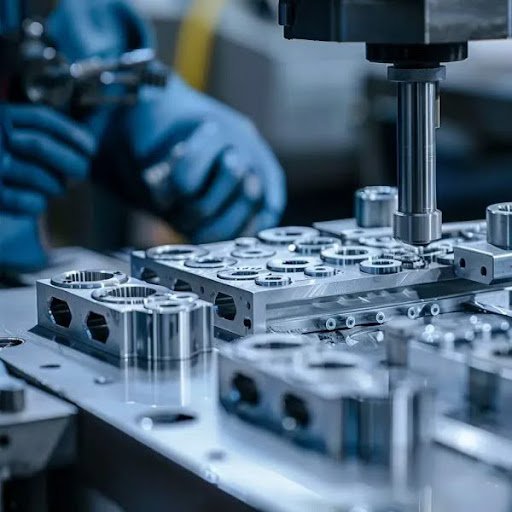
Coastal areas around the globe face increasing threats from natural forces, necessitating a robust approach to defence and protection. One promising strategy involves the use of engineered casting solutions for coastal projects. These solutions provide essential support for reinforcing and maintaining the integrity of coastal structures, adapting to the evolving challenges posed by climate change.
The Importance of Coastal Resilience
Man-made and natural coastal defences are integral to safeguarding coastlines from erosion, flooding, and storm surges. As sea levels rise and weather patterns become more unpredictable, the demand for durable and effective defence mechanisms intensifies. This is where precision metal parts, particularly those in the form of engineered castings, play a crucial role.
How Engineered Castings Enhance Coastal Defences
Engineered castings are custom-designed metal components that provide superior strength and durability. These castings are essential in fabricating parts for breakwaters, sea walls, and other coastal defence structures. The bespoke nature of these components ensures they meet specific project requirements, enhancing the overall integrity and performance of coastal protection systems.
Precision in Design and Manufacturing
The key advantage of using engineered castings lies in their precision. By utilising different alloys and advanced manufacturing techniques, casting solutions are tailored to withstand harsh marine environments. Companies like FC Casting Solutions offer expertise in creating these high-performance components, ensuring long-term reliability even in the most challenging conditions.
Materials and Processes for Coastal Applications
The selection of suitable materials is critical in developing effective coastal defences. Marine-grade alloys, known for their resistance to corrosion and fatigue, are often used in these applications. Processes such as sand casting and investment casting allow for the precise creation of components that are able to endure continuous exposure to saltwater and wave action.
Marine-Grade Custom Castings
Marine-grade custom castings are pivotal in crafting structures that can resist the abrasive impact of the sea. By incorporating high-quality materials and precise engineering, these castings help prevent structural failures that could compromise entire defence systems. The innovative designs provided by such castings not only extend the operational life of coastal installations but also reduce maintenance costs over time.
Challenges in Coastal Defence Projects
Despite advancements in casting technology, coastal defence projects face several challenges. Environmental factors such as tidal surges and the unpredictable nature of oceanic storms test the robustness of these structures. Hence, the implementation of advanced engineered casting solutions is essential to counter these challenges effectively.
Innovations in Casting Technologies
The continuous development of casting technologies aims to enhance the performance of defence structures. Innovations include the utilisation of computer-aided design (CAD) software to create detailed models before production, ensuring accuracy in the final product. These advancements enable projects to mitigate risks associated with coastal defences efficiently.
Sustainable Practices in Casting Production
Sustainability is a growing concern, and the casting industry is responding with eco-friendly manufacturing practices. Recycling metal and employing energy-efficient techniques are now integral to the production of castings. These practices contribute to reducing the environmental footprint of coastal defence projects.
The Role of Expertise in Coastal Engineering
Successful implementation of engineered castings in coastal defences requires experienced professionals who understand the complexities of marine environments. Companies that specialise in precision engineering and casting, such as FC Casting Solutions, offer invaluable knowledge in this domain. Their expertise ensures that components are not only high-quality but also optimally suited for specific environmental conditions.
Future Directions in Coastal Defence Infrastructure
Looking ahead, the demand for improved coastal defence infrastructure will continue to grow. Future directions include the integration of smart technologies and materials science innovations to enhance resilience further. Engineered castings will remain at the forefront of these developments, providing the backbone for new and improved coastal defence systems.
Conclusion
The role of engineered castings in fortifying coastal defences cannot be overstated. As coastal regions increasingly confront the challenges posed by climate change, the need for robust and reliable defence mechanisms becomes even more acute. With advancements in casting technologies and materials, the opportunity to bolster coastal resilience through engineered castings is substantial and will remain a critical component of future coastal preservation strategies.