



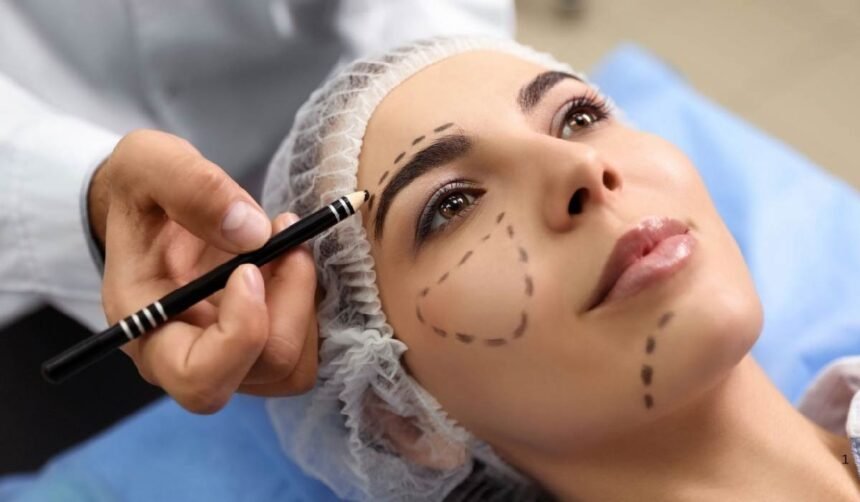
As facial aging progresses, many people notice that changes occur not only on the surface of the skin but also in the deeper structures of the face. Sagging cheeks, deep folds, and loss of facial definition are often the result of deeper tissue movement rather than just skin laxity. This is where the Deep Plane Facelift has gained increasing attention as an advanced surgical option.
This guide explains what a deep plane facelift is, how it works, who it is suitable for, and addresses an important concern many patients have: Is a Deep Plane Facelift safe? Whether you are researching this procedure generally or exploring options for a deep plane facelift in London, understanding the technique is key to making an informed decision.
What Is a Deep Plane Facelift?
A Deep Plane Facelift is an advanced facelift technique that focuses on lifting and repositioning the deeper layers of the face rather than tightening the skin alone. Unlike traditional facelift methods that primarily adjust surface tissues, the deep plane approach works beneath the facial muscles and ligaments.
This allows the surgeon to restore natural facial volume and structure, particularly in the mid-face, cheeks, and jawline. Because the deeper tissues are repositioned as a single unit, the results often appear more natural and long-lasting.
How the Deep Plane Facelift Technique Works
In a deep plane facelift, the surgeon carefully releases specific facial ligaments and lifts the deeper muscular layer along with the skin. This approach avoids placing excessive tension on the skin, which can lead to an unnatural or tight appearance in older facelift techniques.
Key aspects of the technique include:
- Repositioning sagging facial tissues rather than pulling the skin
- Improving mid-face volume and contour
- Softening deep folds around the nose and mouth
- Enhancing jawline and lower face definition
Because of its complexity, the procedure requires advanced surgical expertise and a thorough understanding of facial anatomy.
How a Deep Plane Facelift Differs from Other Facelifts
Understanding the differences between facelift techniques can help clarify why some patients are drawn to the deep plane approach.
Traditional Facelift
A traditional facelift focuses on tightening skin and underlying tissues but may not fully address mid-face sagging. In some cases, results may appear tighter rather than naturally lifted.
SMAS Facelift
The SMAS (Superficial Musculoaponeurotic System) facelift improves deeper tissues but does not always release facial ligaments. This can limit how much the mid-face can be repositioned.
Deep Plane Facelift
The deep plane facelift goes a step further by releasing facial ligaments and lifting deeper tissues together. This often results in smoother transitions, better mid-face rejuvenation, and more natural movement.
Benefits of a Deep Plane Facelift
The Deep Plane Facelift offers several advantages, especially for patients with moderate to advanced facial ageing.
Natural-Looking Results
Because the skin is not pulled tightly, facial expressions remain soft and natural. Many patients feel they look refreshed rather than “done.”
Improved Mid-Face Rejuvenation
This technique is particularly effective at lifting the cheeks and softening deep nasolabial folds, which are often difficult to address with other facelift methods.
Longer-Lasting Outcomes
By repositioning deeper tissues, results often last longer compared to surface-level techniques.
Better Jawline and Neck Definition
The lower face and jawline benefit from improved structural support, creating balanced facial harmony.
Who Is Suitable for a Deep Plane Facelift?
Not everyone requires a deep plane facelift. Suitability depends on facial anatomy, degree of ageing, and overall health.
You may be a suitable candidate if you:
- Have significant mid-face sagging
- Notice deep folds around the mouth and cheeks
- Have jowls or loss of jawline definition
- Are in good general health
- Have realistic expectations
A consultation with a certified Deep Plane facelift surgeon is essential to determine whether this technique is appropriate or if another approach may be more suitable.
The Importance of Choosing a Certified Surgeon
The deep plane facelift is a technically demanding procedure. Choosing a certified Deep plane facelift surgeon in London or elsewhere is critical for both safety and results.
An experienced surgeon should:
- Have specialised training in advanced facelift techniques
- Demonstrate a deep understanding of facial anatomy
- Follow strict clinical safety standards
- Provide clear explanations of risks and recovery
Patients researching the best Deep plane facelift London options should focus on qualifications, experience, and transparent consultations rather than marketing claims.
Is a Deep Plane Facelift Safe?
One of the most common questions patients ask is: Is a Deep Plane Facelift safe?
When performed by a properly trained and certified surgeon, the procedure is considered safe. Like all surgical procedures, it carries risks, but serious complications are uncommon in experienced hands.
Potential risks may include:
- Swelling and bruising
- Temporary numbness
- Infection
- Scarring
- Nerve irritation (usually temporary)
A thorough pre-operative assessment and careful surgical technique significantly reduce these risks. Open discussion with your surgeon about safety concerns is an important part of the decision-making process.
The Consultation Process
During consultation, the surgeon will evaluate facial structure, skin quality, and medical history. This is also the time for patients to ask questions and discuss goals openly.
Topics typically covered include:
- Whether a deep plane facelift is appropriate
- Expected outcomes and limitations
- Recovery timeline
- Potential risks and complications
A good consultation should feel informative and reassuring, not rushed or pressured.
What to Expect During Surgery
A deep plane facelift is usually performed under general anaesthesia or deep sedation. Incisions are carefully placed around the hairline and ears to minimise visible scarring.
The surgeon releases and repositions deeper facial tissues, then redrapes the skin naturally without excessive tension. Surgery duration varies depending on complexity and whether additional procedures are performed.
Recovery After a Deep Plane Facelift
Recovery occurs gradually and varies from person to person. Initial swelling and bruising are normal during the first two weeks.
Typical Recovery Timeline:
- Week 1–2: Swelling, bruising, rest recommended
- Weeks 3–6: Gradual return to daily activities
- 3 months onward: Final results become more visible
Following post-operative instructions carefully helps support proper healing and optimal results.
Long-Term Results and Ageing
A deep plane facelift does not stop ageing, but it can significantly restore youthful facial structure. Many patients enjoy long-lasting improvements, especially when combined with healthy lifestyle habits and good skincare.
Results age naturally with the face, helping maintain facial identity over time.
Deep Plane Facelift in London: What Patients Should Know
Patients seeking a deep plane facelift in London have access to advanced medical facilities and highly trained surgeons. However, thorough research is essential.
When exploring options, patients should prioritise:
- Surgeon certification and experience
- Clear explanation of technique and risks
- Ethical, patient-centred care
Choosing a certified Deep plane facelift surgeon in London ensures the procedure is approached with professionalism and safety.
Final Thoughts
The Deep Plane Facelift is an advanced surgical technique designed to address deeper facial ageing in a natural and long-lasting way. Understanding how the procedure works, who it is suitable for, and how safety is managed allows patients to make confident and informed decisions.
If you are considering a deep plane facelift whether in London or elsewhere consulting with a qualified, certified surgeon is the most important step. With the right guidance and realistic expectations, this procedure can offer meaningful facial rejuvenation while preserving natural expression.