



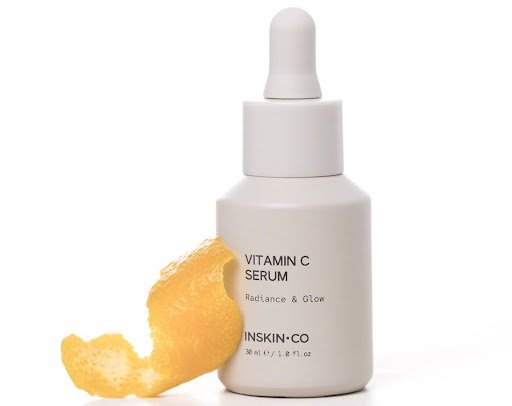
Vitamin C serum has emerged as a staple in modern skincare routines due to its numerous benefits for achieving a radiant complexion. This ultimate guide will explore the myriad of advantages that Vitamin C serum offers, how it works, and how to incorporate it into your skincare regimen effectively.
What is Vitamin C Serum?
Vitamin C serum is a skincare product infused with Vitamin C, a powerful antioxidant known for its ability to neutralise free radicals and enhance skin health. Available in various concentrations and formulations, it is designed to be applied topically to the skin. The primary purpose of Vitamin C serum is to boost collagen production, brighten the skin, and combat signs of ageing.
The Science Behind Vitamin C
Vitamin C, also known as ascorbic acid, is an essential nutrient not naturally produced by the body. It plays a crucial role in collagen synthesis, a protein responsible for skin firmness and elasticity. By promoting collagen production, Vitamin C serum helps to reduce the appearance of fine lines and wrinkles, improving overall skin texture.
Antioxidant Properties
The antioxidant properties of Vitamin C are particularly beneficial for the skin. These properties help protect the skin against damage caused by ultraviolet (UV) radiation and pollution, which can lead to premature ageing and skin damage. By neutralising free radicals, Vitamin C serum helps maintain healthy, youthful skin.
Key Benefits of Vitamin C Serum
When incorporated into a skincare routine, Vitamin C serum offers numerous benefits:
Brightening Effect
One of the most notable benefits of Vitamin C serum is its ability to brighten the complexion. It works to fade dark spots and hyperpigmentation, leading to a more even skin tone. This brightening effect can give the skin a vibrant, youthful glow.
Enhancement of Skin Barrier
Vitamin C serum fortifies the skin barrier, improving its resilience against environmental stressors. A strong skin barrier helps lock in moisture and keep irritants out, contributing to a healthier complexion.
Reduction of Redness and Inflammation
Vitamin C has anti-inflammatory properties that can help reduce redness and soothe irritated skin. This makes it beneficial for individuals with sensitive or acne-prone skin, as it can help calm breakouts and blemishes.
How to Use Vitamin C Serum
To maximise the benefits of Vitamin C serum, it is important to use it correctly. Here are some tips for incorporating it into your skincare routine:
Choosing the Right Product
Select a Vitamin C serum with a concentration that suits your skin type. Look for stable formulations, as Vitamin C can be unstable and prone to oxidation, which can reduce its effectiveness.
Application Tips
Apply Vitamin C serum to clean, dry skin after cleansing and toning. Use a few drops and gently pat it into the skin, allowing it to absorb fully before applying moisturiser and sunscreen.
Potential Side Effects
While Vitamin C serum is generally considered safe for most skin types, some individuals may experience irritation or allergic reactions. It is advisable to conduct a patch test before regular use, particularly for sensitive skin types.
Patch Testing
To conduct a patch test, apply a small amount of the serum to a discreet area, such as the inside of the wrist or elbow, and observe for any reactions over 24 hours.
Conclusion
Vitamin C serum is a versatile and potent addition to any skincare routine, offering a range of benefits from protecting against environmental damage to brightening and improving skin texture. For those looking to achieve a radiant and youthful appearance, this serum is a must-have product. By understanding how to select and use vitamin C serum effectively, users can unlock the full potential of this powerful skincare ingredient.