



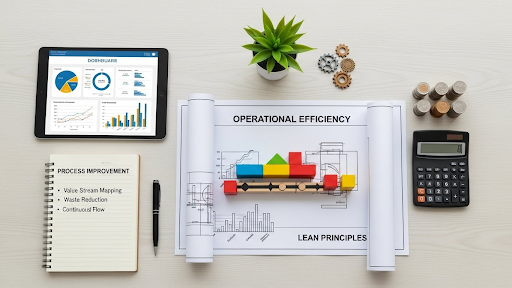
In today’s competitive business world, companies face mounting pressures to optimize operations, reduce waste, and improve profitability. One approach gaining significant traction is lean consulting. But how can businesses truly benefit from this method, and what does it mean for operational efficiency?
If you’re wondering whether lean consulting can help your business run smoother and more cost-effectively, you’re not alone. Many businesses are increasingly turning to business improvement consultants for guidance on eliminating inefficiencies. The power of lean consulting is rooted in its ability to streamline processes, focus on value creation, and identify areas for improvement.
What Is Lean Consulting?
Lean consulting is a methodology that focuses on creating more value for customers by reducing waste and improving processes. It is derived from lean manufacturing principles, which originated at Toyota in the mid-20th century. The core idea is simple: optimize every process, eliminate non-value-adding activities, and continuously strive for improvement.
In the context of business, lean consulting helps companies analyze their operations and workflows to identify inefficiencies. Lean consultants use various tools and techniques to help businesses maximize their resources while delivering better value to their customers.
How Can Lean Consulting Improve Operational Efficiency?
When you hear “lean,” you might immediately think of manufacturing, but the principles of lean consulting apply across industries, from healthcare to finance. Businesses that engage with consultants often see tangible improvements in their operations, including:
- Cost Reduction: Lean consulting identifies areas where businesses can cut costs by eliminating waste. This can involve streamlining supply chains, optimizing production processes, and reducing inventory levels.
- Improved Productivity: Lean principles encourage businesses to enhance workflows by eliminating unnecessary steps. The result is faster delivery times, more productive teams, and quicker responses to customer needs.
- Better Quality Control: By focusing on process improvement and continuous feedback loops, lean consultants can help businesses maintain high standards of quality, reducing defects and ensuring customer satisfaction.
What Are the Key Lean Tools and Techniques?
Lean consultants use a variety of methods to identify inefficiencies and improve processes. These tools are essential in creating the lean culture and include:
- Value Stream Mapping: A tool used to visualize the flow of materials and information throughout the production process. It helps identify waste and pinpoint opportunities for improvement.
- 5S: This tool focuses on workplace organization and efficiency. The five steps—Sort, Set in order, Shine, Standardize, and Sustain—help create a more productive work environment.
- Kaizen: A philosophy of continuous improvement. Kaizen encourages businesses to make small, incremental changes that add up to big results over time.
- Just-In-Time (JIT): A strategy that minimizes inventory and reduces waste by receiving goods only when they are needed in the production process.
Real-Life Examples of Lean Consulting Success
To understand the true power of lean consulting, it helps to look at real-life examples of businesses that have successfully implemented these methods.
Example 1: Manufacturing Industry
A global manufacturer of automotive parts sought the help of lean consultants to streamline its production lines. By implementing value stream mapping and JIT strategies, the company was able to reduce inventory costs by 25% and increase production speed by 15%. The result? Lower costs and faster delivery times, leading to higher customer satisfaction.
Example 2: Healthcare Industry
A healthcare provider in the UK enlisted lean consultants to improve patient care and reduce wait times in its emergency department. By adopting lean principles such as Kaizen and continuous improvement, the hospital reduced patient wait times by 30% and improved the efficiency of its staff. This not only benefited patients but also led to better staff morale and a reduction in burnout.
Example 3: Retail Industry
A retail chain turned to lean consulting to optimize its supply chain. By introducing 5S techniques and better inventory management practices, the company reduced stockouts by 40% and improved order fulfillment accuracy. These improvements resulted in a more streamlined operation and a significant boost in sales.
How Can Businesses Integrate Lean Consulting Into Their Operations?
Integrating lean consulting into your business operations is not a one-time fix; it’s an ongoing process. Here’s a basic framework to get started:
Step 1: Assess Current Operations
Work with business improvement consultants to evaluate your current processes. This might involve mapping out workflows, conducting interviews with employees, and gathering data on key performance indicators (KPIs).
Step 2: Identify Areas for Improvement
Once you have a clear picture of your operations, identify areas where you can eliminate waste or improve efficiency. This could be anything from optimizing inventory levels to reducing unnecessary meetings.
Step 3: Implement Lean Tools
With the help of consultants, begin implementing lean tools like Kaizen or 5S. Start small and focus on one process at a time to avoid overwhelming your team.
Step 4: Monitor Progress
Continuous improvement is at the heart of lean consulting. Regularly monitor your progress and make adjustments as necessary to keep improving.
Step 5: Foster a Lean Culture
For lean consulting to be truly effective, it needs to become part of your company’s culture. This means empowering employees to identify waste and make improvements themselves, creating a work environment where everyone is committed to operational efficiency.
What Are the Benefits of Working with Business Improvement Consultants?
While some companies attempt to implement lean strategies on their own, working with experienced business improvement consultants can offer several advantages:
- Expert Guidance: Lean consultants bring a wealth of experience and knowledge, making it easier to implement the right strategies and avoid common pitfalls.
- Objective Perspective: An outside consultant can provide a fresh perspective on your business, helping you identify inefficiencies you may have overlooked.
- Faster Results: With the right tools and expertise, business improvement consultants can help you achieve operational efficiency faster than if you were to go it alone.
Conclusion
In conclusion, lean consulting offers businesses a proven path to operational efficiency. By focusing on value, reducing waste, and continually improving processes, companies can streamline their operations, increase productivity, and ultimately achieve long-term success. Whether you’re in manufacturing, healthcare, or retail, lean principles have the power to transform your business.
If you’re looking to enhance your company’s operations, consider working with business improvement consultants to tap into the full potential of lean consulting. By embracing continuous improvement, you can position your business for lasting success and growth.