



Introduction
In the ever-evolving world of energy solutions, HMS Photovoltaik stands out as a beacon of sustainability and innovation. As the global community grapples with the urgent need to transition from fossil fuels to renewable energy, HMS Photovoltaik offers a reliable and forward-thinking alternative. The term “HMS” often refers to high-mobility systems or ship-based setups, meaning this photovoltaic technology isn’t limited to land use—it’s designed for both land-based and maritime applications. Whether you are powering a home in a city or supplying clean electricity to a ship out at sea, HMS Photovoltaik delivers a dependable and environmentally conscious solution.
This guide dives deep into the core of HMS Photovoltaik—how it works, the technology behind it, its benefits, real-world applications, cost breakdown, and what the future holds for this groundbreaking system.
The Origins and Mission of HMS Photovoltaik
HMS Photovoltaik began with a clear mission: to make clean, renewable energy accessible and effective for both residential and maritime use. The company’s roots can be traced to a time when solar energy was emerging as a practical alternative to traditional power sources. HMS Photovoltaik positioned itself as a trailblazer, aiming to solve energy challenges for both landlocked environments and marine operations where reliability, space efficiency, and environmental compliance are essential.
Their market presence has expanded significantly over time, with a strong foothold in regions that prioritize renewable infrastructure. At its core, HMS Photovoltaik isn’t just about installing solar panels—it’s about building smart, sustainable ecosystems. The company champions a holistic view of clean energy, combining advanced technology, education, and service to help reduce carbon footprints and empower individuals and businesses alike.
What Is HMS Photovoltaik and How Does It Work?
At its foundation, HMS Photovoltaik relies on photovoltaic (PV) technology—the process of converting sunlight directly into electricity using solar cells. These cells, often made from semiconductor materials like silicon, are arranged in panels that absorb photons from sunlight. When sunlight strikes the cells, it dislodges electrons, generating direct current (DC) electricity. This energy is then routed through an inverter that converts it into alternating current (AC), the form of electricity used by most appliances and systems.
What sets HMS Photovoltaik apart is its ability to function reliably in both stationary and mobile settings, including offshore or marine environments. Its systems include smart monitoring software, storage solutions, and weather-resistant components designed for ship decks or other high-moisture zones. The focus is not only on power generation but also on maximizing performance, minimizing waste, and ensuring adaptability to various energy demands.
Types of Solar Panels Offered by HMS Photovoltaik
To accommodate diverse installation scenarios, HMS Photovoltaik offers a range of solar panel types that meet different efficiency, cost, and space requirements. Monocrystalline panels are among the most efficient options, built from single-crystal silicon and known for their sleek design and high performance. These are ideal for spaces where maximum output is needed in minimal square footage—such as rooftops or compact ships.
On the other hand, polycrystalline panels are manufactured from multiple silicon fragments, making them more affordable while still delivering solid performance. These are commonly used in commercial settings where space is not as restricted. For flexible installations, HMS Photovoltaik also provides thin-film solar panels, which are lighter and adaptable to curved or irregular surfaces. This makes them particularly valuable for marine vessels or mobile units where traditional rigid panels might not be practical. Each type is selected with specific performance goals in mind, ensuring optimized outcomes for the user.
Benefits of Choosing HMS Photovoltaik
One of the most compelling reasons to choose HMS Photovoltaik is its clear environmental advantage. Every watt of solar energy generated using their systems reduces dependence on fossil fuels, cuts greenhouse gas emissions, and supports global climate targets. Beyond being green, HMS Photovoltaik also offers tangible economic benefits.
Solar users often see significant reductions in monthly utility bills, with long-term returns on investment that improve the financial sustainability of homes and businesses. Governments often provide tax credits, rebates, and feed-in tariffs that make installation more accessible and appealing.
In regions where electricity supply is unreliable, HMS Photovoltaik systems offer energy independence and grid security. For marine users, this means uninterrupted power even in remote waters. For off-grid households, it means freedom from fuel generators. These benefits collectively make HMS Photovoltaik an ideal choice for anyone seeking cleaner, cheaper, and more reliable energy.
Real-World Applications of HMS Photovoltaik
HMS Photovoltaik isn’t just theory—it’s a practical energy solution already in use across multiple sectors. In residential areas, rooftop solar panels combined with battery storage allow homeowners to reduce or even eliminate electricity bills while contributing to local sustainability efforts. These systems often integrate with smart home technologies, allowing users to monitor their energy usage and savings in real-time.
Commercial buildings like factories and warehouses use HMS Photovoltaik to power HVAC systems, machinery, and lighting, cutting operational costs while enhancing their green credentials. The maritime sector is also benefiting: ships outfitted with HMS panels experience reduced fuel consumption, silent operation, and compliance with strict environmental regulations. In agriculture, HMS-powered solar irrigation systems are enabling farmers to water crops using the sun’s energy, especially in remote or drought-prone areas. These diverse use cases highlight the flexibility and scalability of HMS Photovoltaik solutions.
Installation Process: Step-by-Step Guide
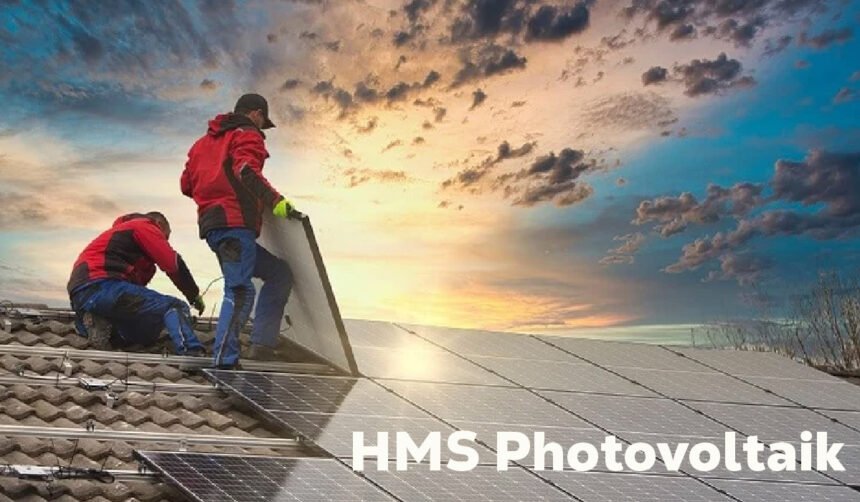
Installing HMS Photovoltaik is a streamlined process that starts with a site assessment to determine solar exposure, shading, and structural readiness. Next, energy consultants design a system customized to meet the user’s energy goals, usage patterns, and installation space. Then comes the installation of the solar panels and inverters, carried out by certified professionals who ensure that all components are securely and correctly installed.
For marine applications, specialized mounting systems and waterproofing techniques are used to safeguard against saltwater exposure and high humidity. Once installed, the system undergoes thorough testing to confirm efficiency and safety. Monitoring systems are then activated, enabling real-time tracking of power production and consumption. Whether on a rooftop or a ship, the process is carefully managed to deliver optimal results while meeting all safety and regulatory standards.
Maintenance and Troubleshooting
One of the underrated advantages of HMS Photovoltaik systems is their low maintenance requirements. Still, basic upkeep is essential to preserve peak performance. Regular cleaning of the panels prevents dust, bird droppings, or sea salt from blocking sunlight absorption. Checking electrical connections, seals, and mounting brackets helps prevent wear and tear from degrading efficiency. The system’s smart monitoring dashboard alerts users to performance anomalies in real-time, allowing for quick response.
If the system underperforms or fails to meet expected output levels, it may indicate an inverter issue, a panel defect, or a shading problem—most of which can be diagnosed remotely and resolved by professionals. Most HMS Photovoltaik installations come with warranties and service agreements, ensuring that even if problems arise, users have support to restore operations swiftly.
HMS Photovoltaik Cost Breakdown
The cost of an HMS Photovoltaik system varies based on size, location, application (residential vs. marine), and panel type. Residential installations typically start from a few thousand euros or dollars, depending on the energy requirement. Commercial or ship-based systems can cost more due to customization and ruggedization needs. However, these systems often pay for themselves within 5–8 years through energy savings.
Financial incentives like tax credits, net metering, and solar grants significantly reduce the upfront investment. HMS Photovoltaik solutions also offer long-term cost predictability by insulating users from rising energy prices. Additionally, minimal maintenance and long system lifespans (25+ years) further enhance the cost-efficiency of the investment. The bottom line is that while the initial cost may seem high, the financial and environmental returns far outweigh the expense over time.
Case Studies and Success Stories
Many businesses and communities have already reaped the benefits of HMS Photovoltaik systems. For instance, a mid-sized industrial plant in Northern Europe installed a customized HMS setup and saw a 35% reduction in annual energy expenses. A community center in a rural town used HMS panels to power its entire facility, saving money and raising awareness among residents about renewable energy. One particularly inspiring story is a ferry operating in the Baltic Sea, which transitioned to partial solar power using HMS Photovoltaik. This not only cut down fuel use but also made the vessel quieter, cleaner, and more efficient. These success stories underscore the flexibility and reliability of HMS Photovoltaik in diverse environments.
Challenges and Limitations
Despite its many strengths, HMS Photovoltaik faces some challenges. The most obvious is weather dependency—solar output varies based on sun exposure, which is reduced during cloudy days or at high latitudes. Another hurdle is the high upfront cost, which, although offset over time, can be a barrier for some. Infrastructure limitations—such as old rooftops or outdated electrical systems—can also complicate installations. In marine environments, corrosion from saltwater is an ongoing challenge, although HMS mitigates this with marine-grade components. Finally, regulations and permitting can delay deployment, especially in jurisdictions where renewable energy policies are still evolving. These issues are not insurmountable but must be understood when planning a system.
Future Trends in HMS Photovoltaik
The future of HMS Photovoltaik is bright, driven by constant innovation and rising demand for clean energy. Emerging technologies like bifacial solar panels—capable of capturing sunlight from both sides—are increasing efficiency. Transparent and flexible panels are making it easier to integrate solar into building facades and vehicles. The integration of artificial intelligence and smart grids will soon allow HMS systems to adapt dynamically to weather changes, usage spikes, and storage optimization. Energy storage technology is also evolving, with next-generation batteries providing better capacity, safety, and lifespan. As solar becomes mainstream, HMS Photovoltaik is poised to lead with solutions that serve homes, industries, and the oceans alike.
Government Policies and Incentives Worldwide
Governments around the world are recognizing the importance of solar energy and providing a wide range of incentives to encourage adoption. In Europe, countries like Germany and the UK offer feed-in tariffs and solar installation subsidies. In the United States, the Investment Tax Credit (ITC) allows homeowners and businesses to deduct a large percentage of their solar installation costs from federal taxes. In the Global South, governments are investing in rural electrification using solar technologies like HMS Photovoltaik. These incentives not only reduce the financial burden but also accelerate the shift toward a renewable future, benefiting both users and the planet.
Conclusion
HMS Photovoltaik is more than just a solar energy solution—it’s a pathway to a more sustainable and resilient future. Its innovative design, flexibility across environments, and commitment to clean energy make it a standout choice for individuals, businesses, and maritime operations. As energy costs continue to rise and environmental challenges mount, the demand for reliable, green power will only grow. HMS Photovoltaik is ready to meet that demand with intelligent systems that not only reduce carbon footprints but also deliver significant financial savings. Choosing HMS Photovoltaik means investing in a cleaner, smarter, and more sustainable future for all.
FAQs About HMS Photovoltaik
1. What is HMS Photovoltaik?
HMS Photovoltaik is a solar energy system that uses photovoltaic panels to convert sunlight into electricity for homes, businesses, and marine vessels. It is designed for both land-based and ship-based use, offering clean and reliable power with lower energy costs and reduced carbon emissions.
2. How does HMS Photovoltaik work?
HMS Photovoltaik works by using solar cells to absorb sunlight and turn it into direct current (DC), which is then converted into usable alternating current (AC) through an inverter. This electricity can power appliances, machines, or ship equipment, and excess energy can be stored in batteries for later use.
3. What are the main benefits of using HMS Photovoltaik?
The main benefits include lower electricity bills, clean renewable energy, reduced carbon footprint, energy independence, and long-term cost savings. It is also low-maintenance and can be used in both residential and marine environments.
4. Can HMS Photovoltaik be used on ships?
Yes, HMS Photovoltaik is specially designed for maritime use, providing solar power for ships, yachts, and offshore operations. The panels are durable, weather‑resistant, and built to handle saltwater, moisture, and constant movement at sea.
5. How long does HMS Photovoltaik last?
Most HMS Photovoltaik systems last 25 to 30 years with proper maintenance. The panels remain efficient for decades, and regular cleaning and inspections help maintain high performance over time.
For More Information, Visit Fourmagazine