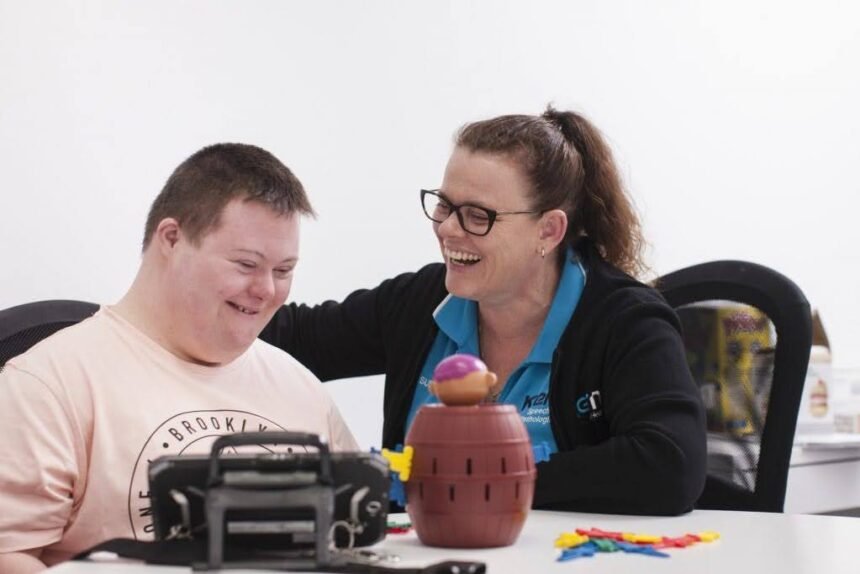
Communication is a fundamental part of everyday life, and for those with speech and language challenges, this essential skill may not develop as naturally as it does for others. The National Disability Insurance Scheme (NDIS) in Australia recognises this barrier and offers tailored NDIS speech pathology services to help individuals improve their communication abilities. These services are designed to address various speech and language disorders by providing support and therapy through professional guidance.
Understanding Speech Pathology
Speech pathology is a field of expertise concerned with the assessment and treatment of communication impairments and swallowing disorders. Speech pathologists work with individuals of all ages to improve their communication and swallowing skills. Through targeted interventions, speech pathologists help their clients develop effective speech, language, and communication skills.
The Role of NDIS in Supporting Individuals
The NDIS provides funding and resources that allow individuals with disabilities to access essential health and therapeutic services, including speech pathology. Through the NDIS, eligible participants can receive financial assistance for speech therapy sessions, ensuring that they can access the support they need without worrying about the cost.
Eligibility for NDIS Speech Pathology Services
Eligibility for NDIS services is determined based on specific criteria, including the individual’s disability and its impact on their day-to-day life. Individuals must have a physical, intellectual, sensory, psychological, or neurological condition that affects their capacity for social interaction and everyday tasks.
Targeted Speech Pathology Interventions
NDIS speech pathology services include a range of personalised interventions that aim to address the specific needs of each participant. Techniques employed by speech pathologists often involve exercises and therapy sessions designed to improve the mechanics of speaking, comprehension, and expression of language.
Speech Disorders and Treatment
Speech disorders can include articulation issues, phonological disorders, voice disorders, stuttering, and more. Treatment is tailored to the individual and may include exercises to improve muscle strength, coordination, and control, as well as strategies to enhance clarity and fluency.
Language Disorders and Intervention
Language disorders are characterised by difficulties in understanding and producing language. These may manifest in challenges with vocabulary, sentence structure, and social communication skills. Intervention typically includes activities that enhance language comprehension and production, enabling more effective communication in social settings.
Benefits of Speech Pathology Services Through NDIS
Accessing speech pathology services through the NDIS offers numerous benefits for individuals. These services are instrumental in enhancing communication capabilities, building confidence, and improving overall quality of life. Furthermore, having access to professional therapy ensures that individuals receive expert guidance and support tailored to their unique needs.
Role in Development and Education
For children, effective communication is crucial for learning and development. NDIS-funded speech pathology services can provide pivotal support in educational settings, helping young individuals overcome speech and language barriers to fully engage in school activities and educational opportunities.
Enhancing Workplace Communication
For adults, improved communication skills can significantly impact their ability to succeed in the workplace. Speech therapy can aid in overcoming speech and language barriers that may hinder professional progress, helping individuals to articulate ideas and interact more effectively with colleagues and clients.
Choosing the Right Speech Pathologist
Participants can choose from a variety of speech pathology professionals under the NDIS plan. It is essential to select a qualified and experienced speech pathologist whose expertise aligns with the individual’s specific communication needs. This personalisation helps ensure the therapy is effective and targeted towards the participant’s particular challenges.
Finding Supportive Resources
In addition to professional therapy sessions, speech pathology services may offer access to resources that support ongoing development. These could include educational materials, technology aids, and workshops that reinforce learning both during and after therapy sessions.
The Future of NDIS Speech Pathology
The future of NDIS speech pathology services looks promising, with continuous advancements in therapeutic techniques and technologies. Innovations in the field are expected to further enhance the effectiveness of interventions, providing more opportunities for individuals to improve their communication skills.
Overall, the integration of speech pathology services within the NDIS framework is a testament to the commitment towards improving the lives of individuals with communication challenges. These services not only aid in developing communication skills but also empower individuals to lead more fulfilling and independent lives.