



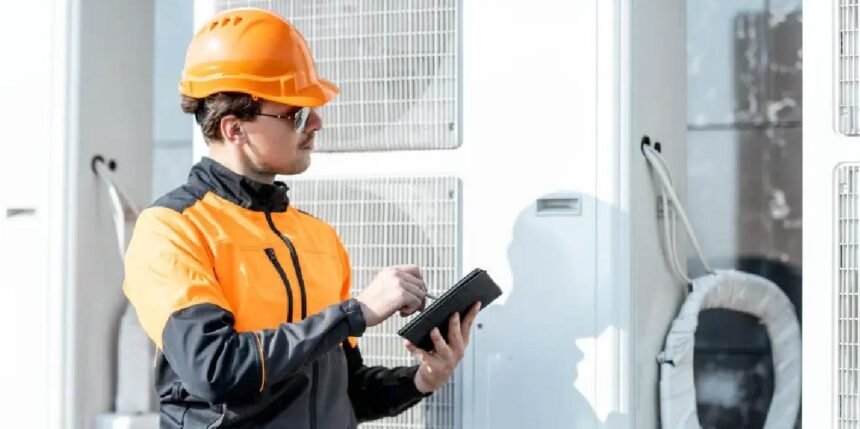
In the world of energy-efficient heating and cooling, heat pumps stand out as one of the most reliable and cost-effective systems available. They provide both warmth in the winter and cooling in the summer, offering a year-round comfort solution. However, like all HVAC systems, they require regular care to operate at peak performance. That’s where heat pump maintenance becomes essential—not just for efficiency but also for longevity, cost savings, and indoor comfort.
This comprehensive guide explores why heat pump systems need routine attention, what specific maintenance tasks should be performed, how often they should be completed, and the signs that your system may need professional service. Whether you’re a homeowner, property manager, or simply someone exploring sustainable heating and cooling options, understanding how to care for a heat pump is a smart move.
How Heat Pumps Work: A Quick Overview
To understand the importance of maintenance, it’s helpful to know how heat pumps function. Unlike traditional furnaces that generate heat, a heat pump transfers heat from one place to another. During the winter, it extracts heat from the outside air and brings it indoors. In summer, the process reverses, acting like an air conditioner by removing heat from inside your home and releasing it outdoors.
There are several types of heat pumps:
- Air-source: The most common type, transferring heat between your home and the outside air.
- Ground-source (geothermal): Uses the stable temperature of the earth to provide heating and cooling.
- Water-source: Transfers heat to or from a water source like a lake or well.
No matter the type, all heat pumps consist of key components like a compressor, condenser, evaporator coil, and refrigerant—each requiring upkeep to ensure efficient and reliable performance.
Why Heat Pump Maintenance Is Essential
Routine heat pump maintenance is not a luxury—it’s a necessity. A neglected heat pump can become inefficient, prone to breakdowns, and more expensive to operate. More importantly, it may even compromise your indoor air quality or fail during extreme weather.
Key benefits of regular maintenance include:
- Energy Efficiency: A well-maintained heat pump uses less energy to operate, which translates to lower utility bills.
- System Longevity: Routine care reduces wear and tear, potentially extending the system’s lifespan by several years.
- Reduced Repair Costs: Preventative maintenance can catch minor issues before they turn into major, expensive repairs.
- Consistent Comfort: Maintained systems provide better airflow, humidity control, and temperature regulation.
- Warranty Protection: Many manufacturers require proof of maintenance to keep warranty coverage valid.
Ignoring heat pump maintenance could lead to decreased performance, increased energy consumption, and early system failure.
Heat Pump Maintenance Checklist
The most effective maintenance strategy involves a combination of professional service and simple tasks homeowners can handle themselves. Here’s a breakdown of both:
✅ Homeowner Maintenance Tasks (Monthly or Seasonal)
- Clean or Replace Air Filters
- Dirty filters restrict airflow, forcing the system to work harder. Check them every month and replace them at least every 1–3 months.
- Clear Debris Around Outdoor Unit
- Make sure leaves, grass, and debris are cleared at least 2 feet around the unit. Trim vegetation and remove obstructions.
- Check Thermostat Settings
- Ensure the thermostat is working properly and programmed for energy efficiency.
- Inspect Registers and Vents
- Make sure they are open, unblocked, and clean to allow unrestricted airflow.
- Listen for Strange Noises
- Clicking, grinding, or rattling sounds may indicate loose parts or developing issues.
- Clicking, grinding, or rattling sounds may indicate loose parts or developing issues.
🔧 Professional Maintenance Tasks (Bi-Annual or Annual)
- Inspect and Clean Coils
- Evaporator and condenser coils should be checked and cleaned to maintain heat transfer efficiency.
- Check Refrigerant Levels
- Low refrigerant can reduce efficiency and damage the compressor. It should be checked and topped off if necessary.
- Inspect Ductwork for Leaks
- Leaky ducts reduce efficiency by up to 30%. A technician will test for and seal any leaks.
- Test Electrical Connections
- Loose or corroded wires can cause system failure or fire hazards.
- Lubricate Moving Parts
- Motors and fans must be properly lubricated to reduce friction and wear.
- Calibrate Thermostat
- Ensures accurate temperature readings and effective system response.
- Test System Controls
- A technician will run a full system cycle to ensure proper operation from start-up to shut-off.
- A technician will run a full system cycle to ensure proper operation from start-up to shut-off.
Regular heat pump maintenance by a qualified professional is recommended at least once a year—ideally twice, before the heating and cooling seasons.
Seasonal Maintenance Tips
Spring:
- Schedule a full inspection before switching to cooling mode.
- Clear away any debris accumulated during winter.
- Clean indoor vents and check filter status.
Fall:
- Inspect and insulate any exposed refrigerant lines.
- Test the heating mode early to ensure it’s working.
- Clean outdoor unit and clear foliage before leaf fall.
Proactive seasonal care ensures your heat pump is ready when you need it most.
Common Issues Prevented by Heat Pump Maintenance
Regular maintenance isn’t just about keeping the system running—it’s about preventing common and potentially costly problems.
1. Frozen Coils
- Caused by restricted airflow or low refrigerant. Can lead to compressor damage if untreated.
2. Short Cycling
- The system turns on and off frequently, stressing components and increasing energy use.
3. Uneven Heating or Cooling
- Often caused by clogged filters, dirty coils, or airflow issues.
4. Water Leaks
- Usually due to blocked drain lines or overflowing drip pans.
5. Noisy Operation
- Indicates mechanical issues like loose parts, failing motors, or debris in the fan.
Routine heat pump maintenance identifies and addresses these issues before they lead to system failure.
Signs Your Heat Pump Needs Immediate Service
Even with proper care, issues can still arise. Contact a technician if you notice any of the following:
- Strange or loud noises
- Ice buildup on the unit
- Constant cycling or failure to start
- Weak airflow
- Increased energy bills with no change in usage
- Inconsistent room temperatures
Prompt attention to these signs can prevent more serious—and expensive—damage.
The Cost of Heat Pump Maintenance vs. Repair
The cost of preventative maintenance is minimal compared to major repairs or full system replacement. On average, a professional tune-up costs between $150 and $300 per visit. By comparison:
- Compressor replacement: $1,500–$2,500
- Refrigerant leak repair: $300–$1,000
- Full system replacement: $4,000–$10,000+
A small investment in heat pump maintenance goes a long way toward protecting a much larger system investment.
DIY vs. Professional Care
While homeowners can and should handle some tasks like changing filters and clearing debris, full system maintenance requires professional knowledge, tools, and safety precautions.
Professionals provide:
- Refrigerant handling (EPA certified)
- System diagnostics and tuning
- Detailed performance analysis
- Electrical safety checks
- Warranty-compliant service
DIY maintenance is valuable, but professional servicing ensures your system is running safely and efficiently.
Final Thoughts: Don’t Neglect Your Comfort System
Heat pumps are one of the most efficient HVAC systems available, but they don’t take care of themselves. Like any complex equipment, they require consistent upkeep to perform their best. By sticking to a regular heat pump maintenance in Bowmanville, schedule, you’ll ensure your system delivers maximum comfort, minimal energy costs, and fewer repair headaches.
Whether you’re new to heat pump ownership or looking to improve your existing care routine, remember: maintenance isn’t optional—it’s essential. Invest in your system today to avoid breakdowns tomorrow.