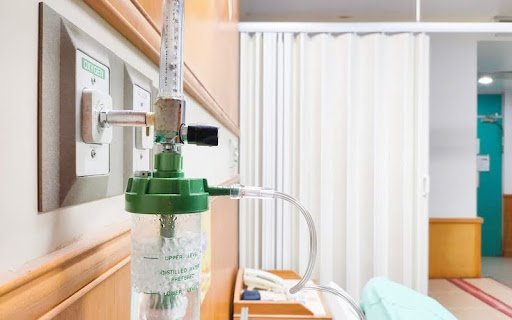
Liquid nitrogen is a versatile resource employed broadly in various industries due to its unique properties, including its extremely low temperature of −196 °C. This characteristic makes it invaluable for processes requiring rapid cooling and freezing. It also plays a critical role in the Acetylene Gas Supply for Medical Use, ensuring that gases are preserved and transported under optimal conditions.
Industrial Applications
In industrial settings, liquid nitrogen is often used for its cooling capabilities. It is crucial in metal manufacturing and fabrication processes, where it serves to cool and harden metals instantly. This usage helps achieve desired metallurgical properties and improve strength and durability.
Additionally, it is employed in the tyre industry for producing nitrogen-filled tyres. These tyres offer enhanced performance and longevity, making them highly sought after among automotive manufacturers.
Medical Sector Utilisation
The medical industry benefits significantly from liquid nitrogen. It is commonly used in cryotherapy for removing warts and other skin lesions. By rapidly freezing the unwanted tissue, it causes minimal pain and discomfort for the patient.
Liquid nitrogen also plays an integral role in the storage and transportation of biological samples, including blood, organs, and vaccines. This is part of a broader strategy that includes other medical gases, such as the Oxygen Gas Supply for Medical Use, ensuring safe and effective delivery of vital medical resources.
Food and Beverage Industry
In the food industry, liquid nitrogen is frequently used to quick-freeze products, preserving their nutritional quality and flavour. This is particularly advantageous for seafood and fruit, where freshness is paramount.
Beverages can also be served with a unique visual effect by using liquid nitrogen. Its ability to create a fog when it evaporates adds an appealing aesthetic touch to cocktails and drinks.
Scientific Research
Liquid nitrogen is pivotal in scientific research and experimentation, enabling ultra-low temperatures required for scientific investigations. In laboratories, it helps preserve sensitive specimens and materials, allowing for long-term studies without the risk of degradation.
Electronics and Technology
In the electronics industry, liquid nitrogen is employed for testing and enhancing the performance of semiconductor devices. Its ability to lower temperatures efficiently makes it indispensable in high-performance computing environments, where overheating can be a significant concern.
Aerospace and Transport
The aerospace sector uses liquid nitrogen in various applications, including inerting fuel tanks and providing pressurisation for aircraft systems. Similarly, in the transport industry, it aids in cryogenic transport systems for sensitive goods.
Environmental and Agricultural Benefits
Liquid nitrogen facilitates eco-friendly pest control in agriculture by instantly freezing pests and invasive plants. This method negates the need for chemical pesticides, promoting sustainable farming practices.
Cosmetic and Spa Treatments
In the cosmetic industry, liquid nitrogen is used for skin rejuvenating therapies, where it encourages skin cell regeneration and improves skin tone. Spas utilise it in cryo-facials to offer clients a refreshing and invigorating experience.
Safety and Handling
Despite its many benefits, handling liquid nitrogen requires strict safety measures to prevent contact burns and harmful effects from vapor inhalation. Ensuring that appropriate safety gear and storage protocols are in place is imperative for all industries utilising this gas.
Conclusion
Liquid nitrogen stands out as an indispensable tool across many sectors, driven by its unique physical properties. From industrial manufacturing to delicate medical handling, its applications are broad and significant. Additionally, the interaction with other gases such as the Carbon Dioxide Gas Supply for Medical Use highlights its integrated role in complex systems.
As technology and techniques continue to evolve, the versatility and demand for liquid nitrogen will likely expand, cementing its status as a critical asset in modern industry.