



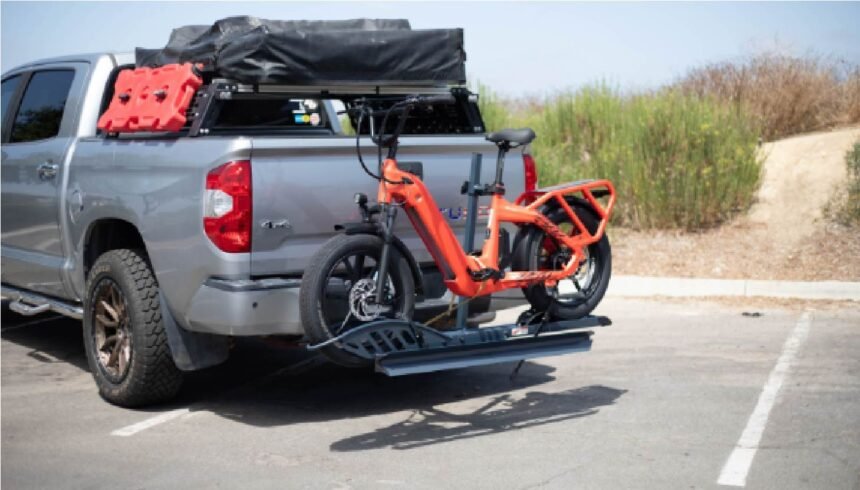
A properly maintained hitch bike rack will ensure the safety of your bike, protect your vehicle, and extend the lifespan of the rack itself. Whether you use a CRAVOT model or another option, consistent care of your hitch bike rack through routine inspections and small adjustments helps prevent expensive breakdowns on the road. From my experience testing racks on compact cars and large SUVs over more than ten years, the difference between a rattling, unsafe setup and a quiet, reliable one almost always comes down to regular maintenance.
Why regular maintenance matters for your hitch bike rack
Components are worn out by road vibration, weather exposure, and heavy loads. Bolts become loose, rubber pads harden, and paint chips expose metal that can corrode. Regular checks help identify these problems before they escalate into safety risks. A properly maintained hitch mount bike rack will also minimize bike-to-bike contact and noise, slightly improve fuel economy by reducing unnecessary movement, and safeguard both your bicycle frames and your vehicle’s finish.
Pre-trip inspection: what to check every time
Anytime you are going to make sure that the rack is in place in the receiver and the hitch pin or locking pin is in place. Shake the assembled rack to ensure that there is play at the hitch connection. Check straps, cam buckles and wheel cradles to see that they are not frayed or cracked. Ensure that anti-wobble systems are on and ensure that any tilt or swinging systems are firmly fixed. Lastly, use of check lights and reflectors in case your rack or bikes are covering vehicle lamps.
Monthly maintenance routine: Deeper checks
When using regularly, after every month, take off the rack in the hitch and examine the receiver tube and the shank. Wipe dirty places and road salt using fresh water and mild soap and dry them. Inspect welds, pivot points and mounting plates to hairline cracks or bending. Light lubricant suggested by the manufacturer should be applied to moving joints and locking pins. Change soft rubber contact pads or straps which exhibit permanent deformation to avoid damaging the frame.
Seasonal tasks and rust prevention
Overall, coating the exposed metal components with a thin layer of corrosion inhibitor before winter or after being exposed to salty roads is necessary. Where feasible, replace the conventional bolts with stainless steel bolts in case your rack is steel-hardware. Fill in scratches with some paint of a similar color or a rust-preventive paint. Keep the rack inside when not in constant use so as to minimize the exposure to moisture and extend the life of rubber and plastic parts.
In-use quick checks and handling tips
The initial few miles of loading bikes should be checked again to ensure the straps are tight and the hitch is tight due to vibration which can cause slight loosening. The bikes that are the heaviest should be positioned as near to the vehicle as possible to minimize leverage on the hitch. Switching handlebar directions to reduce contact and check pedals so that they do not hit adjacent frames. When you have to access your trunk with the help of tilt/swing, make sure to hold the rack as you move it, re-lock mechanisms, and resume traveling.
Tools and supplies to keep with you
Keep a small tool kit which consists of the wrench to your hitch bolt, a spare hitch pin, a roll of good quality tape to make emergency straps, a small bottle of lubricant, and a spare cable lock. Quick dry towels made of microfiber and a small tube of touch up paint come in handy in correcting paint chips at rest stops. These cheap products have helped me to avoid a number of headaches on the road.
Safety and warranty considerations
Install mounting hardware following the torque requirements of the manufacturer since tightening it too little or too much may result in early wear or breakage. Store purchase records and serial numbers to be able to use warranty services. In the event of structural damage (i.e. bent tubes, broken welds, etc.), cease operation on the rack and call CRAVOT support or a trained technician to inspect.
Conclusion
A hitch mount bike rack is a product that will provide years of service with simple care. Most problems can be avoided by regular checks, replacement of worn out parts in time, easy lubrication, and reasonable loading behavior to ensure the safety of bikes and the vehicle. I have discovered that a five minute routine prior to every journey with monthly and seasonal inspections minimizes noise, damage, and keeps any CRAVOT or other quality hitch bike rack in fine operation throughout numerous seasons.
FAQs
What is the frequency of the inspection of my hitch bike rack?
Check major parts prior to each trip, conduct a more intense examination of the parts during routine operation, and do seasonal corrosion prevention before winter.
What is to be done in case of a loose weld or a bent tube?
Do not use the rack any further and seek advice of the manufacturer or a qualified welder; structural damage may compromise the safety and cancel the warranties.
Is it possible to do any lubrication to all moving parts using any oil?
Apply light lubricants suggested by the rack manufacturer and do not use heavy greases on straps or rubber parts which will destroy soft materials.
Should an older rack have replacement parts purchased?
Yes, changing worn straps, rubber pads or pins is often cheap and puts the rack back in business in terms of safety and performance instead of spending money on a new one that will not last long.
Should I take off the rack when it is not used?
Storing and taking the rack in an indoor location minimizes weather conditions and theft vulnerability and is advisable in case you do not utilize the rack regularly.