



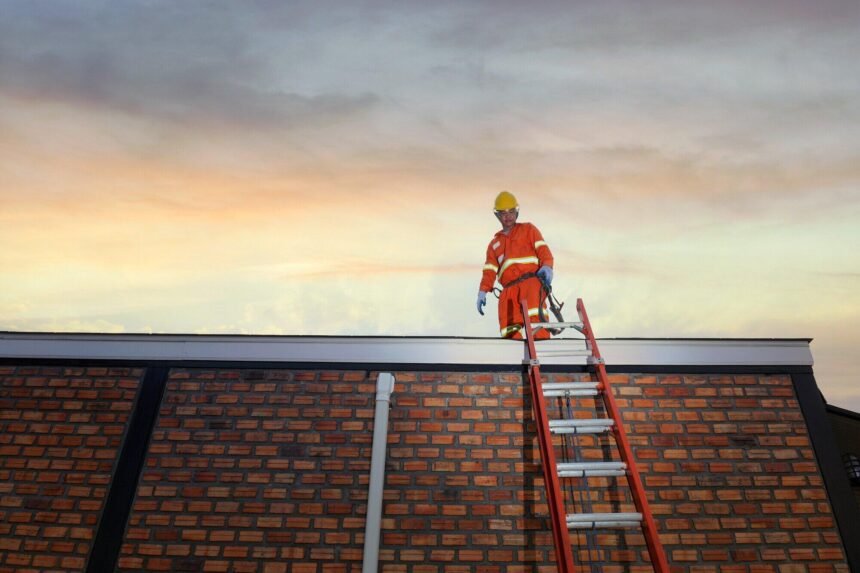
When it comes to running a business, a solid roof over your head is absolutely crucial. A well-maintained roof protects your business from harsh weather and contributes to overall safety and comfort.
However, there may come a time when you need a commercial roof replacement. Understanding the reasons, processes, and options available can save you both time and money in the long run.
Let’s dive in!
Why Consider Commercial Roof Replacement?
There are several factors that could trigger the need for a commercial roof replacement. Common reasons include:
Age
The lifespan of commercial roofs varies greatly, typically ranging from 15 to 30 years, depending on the type and quality of material used. For instance, roofs made of asphalt shingles usually last around 15 to 20 years, while those made of metal can last up to 30 years or more. Factors such as weather conditions, maintenance, and installation quality also play a significant role in determining the roof’s lifespan.
Leaks
Persistent water leaks can lead to significant structural damage, compromising the integrity of the building. When water seeps into the roof, it can cause damage to the insulation, decks, and walls, resulting in costly repairs. For example, the famous Minneapolis Metrodome collapse in 2010 was caused by heavy snowfall that led to roof damage and subsequent leaks.
Aesthetics
A new roof can refresh the look of a building, making it more attractive to customers and enhancing its curb appeal. Much like a fresh coat of paint, a new roof can make a building look modern and sleek. This change signals to customers that the business is well-maintained and reputable.
Energy Efficiency
New roofing materials often provide better insulation, helping to reduce energy costs and minimize a building’s carbon footprint. New roofing technology has created materials with better thermal resistance. This includes cool roofs and green roofs.
Cost of Commercial Roof Replacement
The cost of commercial roof replacement varies widely based on several factors, such as the size of the building, the type of material you choose, and your location. On average, businesses can expect to pay between $5,000 and $100,000. Here are a few key cost factors:
Materials
The type of material used for a project significantly affects the overall cost. Popular choices, such as EPDM, TPO, and metal, vary greatly in price. For instance, EPDM, a type of rubber roofing, is generally more affordable than metal roofing, which can be up to three times more expensive.
Labor
Skilled labor is crucial for a quality installation, as it directly impacts the performance and lifespan of the material. Experienced workers can ensure a precise fit, proper sealing, and adherence to safety standards. The cost of labor can vary depending on the location, worker expertise, and project complexity.
Permits & Inspections
Getting the right permits and inspections is key in the replacement process. It helps make sure everything meets local building codes and rules. The cost of permits can add up quickly, ranging from a few hundred to several thousand dollars, depending on the jurisdiction and project scope.
Types of Commercial Roofing Materials
Choosing the right material is one of the most important decisions you’ll make. Each type has its pros and cons. Here are some common options:
EPDM (Ethylene Propylene Diene Monomer)
EPDM is a popular rubber roofing material. It’s known for its great durability and ability to resist harsh weather. This includes heavy rain, hail, and extreme temperatures.
TPO (Thermoplastic Polyolefin)
TPO is an energy-efficient roofing material. It reflects sunlight and heat, which helps lower energy costs in the summer. This is achieved through its high solar reflectance index, which measures a material’s ability to reflect solar energy and emit heat.
Metal Roofing
Metal roofs are highly prized for their exceptional durability and longevity, with some lasting over 50 years or more. They work well in all weather, including heavy snow, strong winds, and extreme temperatures. Moreover, metal roofs are often made from recyclable materials, such as aluminum and steel, making them an environmentally friendly option.
Understanding the Timeline
The timeline for a commercial roof replacement can vary, but most projects take between a few days to several weeks. Key steps in the process include:
Consultation
A professional roofer will carefully check your roof. They will look for damaged or missing shingles, cracked tiles, and signs of wear around chimneys, vents, and skylights. For example, if you live in an area prone to heavy rainfall, they may suggest a waterproofing membrane to prevent leaks.
Preparation
This phase includes ordering quality materials. You’ll need durable shingles, strong underlayment, and reliable flashing. The professional will get the needed permits from local authorities.
Installation
Once all preparations are complete and approvals are in place, the actual installation of your new roof takes place. Skilled workers will take off old roofing materials. They will then inspect and repair the deck.
Post-Installation
After the new roof is securely in place, a thorough inspection ensures that every aspect meets standards and regulations. The inspector will check for proper flashing and secure fastening. They will also ensure there is adequate ventilation. Finally, they will verify that all materials are installed correctly.
How to Protect Your Business During Replacement
While roof replacement is essential, it can disrupt your daily operations. Plan the replacement during slower business hours. Notify customers ahead of time so they are aware of any changes.
Have measures in place to protect customers and employees from falling debris.
Choosing the Right Contractor
Selecting a reliable contractor for your commercial roof replacement is critical. Here’s how to ensure you choose the right one. Ensure the contractor has a proven track record in commercial roofing.
Ask for references and follow up to ensure satisfaction. Look for contractors who offer warranties on their work.
Maintenance Tips for Longevity
Once your new commercial roof is installed, maintaining it is key to its longevity. Regular maintenance can help identify problems before they turn into costly repairs.
Schedule regular inspections at least twice a year. Clear debris and inspect surfaces for damage. Check for leaks and ensure drainage systems are working effectively. When it’s time to upgrade, consider partnering with a reputable company specializing in commercial roofing to ensure a smooth transition and lasting results.
Invest in Your Business
A commercial roof replacement is a substantial investment, but one that pays off in the long run. By understanding costs, types of materials, and maintenance needs, you can make informed decisions that benefit your business. Don’t hesitate to reach out for a consultation to protect your business and its assets.
For more helpful tips, check out the rest of our site today.