



Introduction
Mannacote is an unusual term that has recently captured attention across food blogs, industrial catalogs, and agricultural supply platforms, leaving many people wondering what it truly means and why it appears in such different contexts. At first glance, most readers assume mannacote is a misspelling of manicotti—the beloved Italian‑American pasta dish—but when explored further, it becomes clear that mannacote has a much broader identity.
In the culinary world, it refers to a comforting baked pasta dish filled with ricotta, spinach, or seasoned meat, enjoyed by families for generations. Yet in technical fields, the same word appears as a branded industrial coating used to protect machinery, metals, or marine surfaces. In farming, mannacote is also recognized as a specialized controlled‑release fertilizer designed to improve soil health and crop performance.
This surprising range of meanings makes mannacote a rare example of a keyword that spans tradition, science, and innovation. In this comprehensive guide, we explore every dimension of mannacote so that readers—including home cooks, engineers, and agriculturists—can understand exactly what the term signifies and why it matters. Whether you are here to explore a delicious baked pasta recipe or to understand modern coating technology, this in‑depth article covers everything you need to know about man nacote.
What Is Mannacote? Understanding Its Multifaceted Identity
The Food Version — A Regional Spin on Manicotti
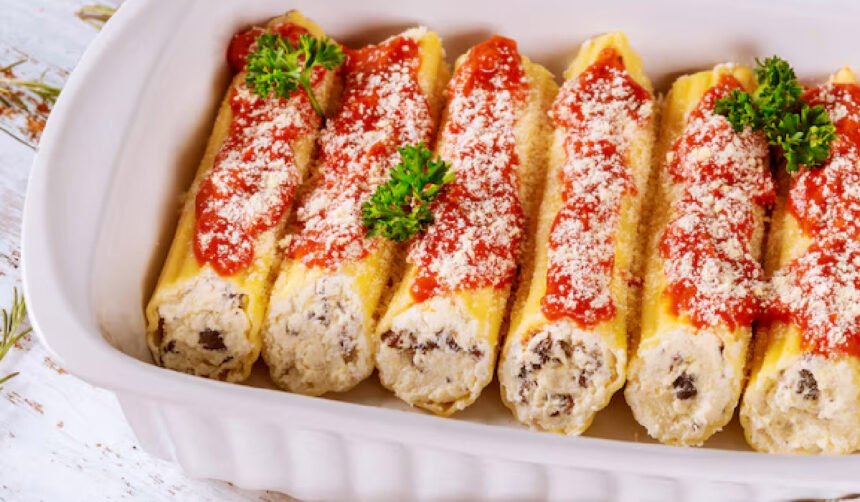
In culinary contexts, mannacote is best understood as a phonetic or regional variation of the word manicotti, a classic Italian‑American pasta dish made from large tubular pasta shells filled with cheese, spinach, or meat, then baked in rich tomato sauce. Many Italian‑American families, especially in regions like New York, New Jersey, and Pennsylvania, grew up using the word mannacote because of how the original Italian words were pronounced by earlier generations of immigrants.
Over decades, these pronunciations stuck and became part of family tradition, appearing in handwritten recipe cards, regional cookbooks, and even viral food videos on social media. This means that mannacote is not a separate dish but rather a cultural and linguistic evolution of manicotti—a beautiful reminder of how immigrant kitchens transform and preserve heritage through everyday language.
The Technical Version — Coating or Fertilizer Brand
Beyond food, the word Mannacote also appears in industrial and agricultural contexts as a trademark or branded formulation. In manufacturing, Mann acote coatings are polymer‑based protective layers commonly used for machinery, marine equipment, automotive components, and construction materials. These coatings offer high‑performance benefits such as chemical resistance, corrosion protection, and durability under extreme environmental conditions. Meanwhile, in agriculture, Man nacote fertilizers use specialized polymer coatings to release nutrients slowly over time, helping crops absorb nitrogen, phosphorus, and potassium more efficiently. These products reflect modern sustainability goals by reducing fertilizer waste, lowering environmental impact, and supporting healthier soil ecosystems. Thus, the term mannacote carries both traditional culinary meaning and modern scientific significance.
Mannacote as a Culinary Delight — The Stuffed Pasta Dish
Origin and Evolution
Although mannacote is not an official Italian term, its culinary roots lie deeply in the Italian‑American adaptation of cannelloni, a traditional Italian dish made by rolling fresh pasta sheets into cylinders and filling them with cheese or meat. When Italian immigrants arrived in the United States, access to fresh pasta sheets was limited, leading cooks to create manicotti using dry pasta tubes instead.
Over time, manicotti developed into its own beloved recipe in America, and the term mannacote emerged naturally through regional accents and oral family traditions. Compared to cannelloni, manicotti tends to be heartier and more structured due to the ridged pasta tubes. Today, man nacote remains a nostalgic dish for many families, symbolizing Sunday dinners, holiday gatherings, and the warmth of home‑cooked meals.
Key Ingredients for Classic Mannacote
A traditional mannacote recipe uses simple yet flavorful ingredients that create a rich and satisfying meal. The pasta itself consists of large manicotti tubes, which are sturdy enough to hold generous fillings without breaking. The filling typically includes ricotta cheese for creaminess, mozzarella for melting texture, parmesan for a sharp, salty kick, and eggs to bind everything together. Many home cooks also incorporate sautéed spinach for added nutrition or seasoned ground meat for a heartier version.
The dish is completed with marinara sauce or, in some variations, a silky béchamel sauce. Italian herbs such as basil, parsley, and oregano enhance the aroma, while garlic adds depth and warmth. These ingredients blend together to create a comforting baked pasta dish that is both rich and flavorful.
Step‑by‑Step Cooking Instructions
Preparing mannacote at home is surprisingly straightforward. First, the pasta tubes must be boiled until they reach an al dente texture—firm enough to hold their shape during stuffing but soft enough to handle with care. The filling is then prepared by mixing ricotta, mozzarella, parmesan, eggs, herbs, and optional meat or vegetables until creamy and well seasoned. A piping bag or zip‑top bag with the corner cut off makes stuffing the tubes easier and cleaner.
Once filled, the tubes are arranged in a baking dish layered with marinara sauce so they can absorb moisture and flavor. Additional sauce and cheese are added on top before the dish is covered with foil and baked to perfection. After removing the foil, the cheese on top browns beautifully, creating a golden, bubbling crust. Letting the dish rest ensures clean slices and well‑developed flavor.
Delicious Mannacote Variations to Try
Mannacote is naturally versatile, allowing home cooks to create delicious variations based on preference, dietary needs, or seasonal ingredients. A classic cheese mannacote uses ricotta, mozzarella, egg, parmesan, and parsley for a timeless flavor profile. For a healthier and nutrient‑rich option, spinach and ricotta man nacote incorporates sautéed spinach with a hint of nutmeg. Meat lovers can enjoy a version filled with ground beef or Italian sausage mixed with cheese for a savory and filling dish.
For those following a plant‑based diet, vegan man nacote can be made with tofu ricotta, vegan mozzarella, and almond‑based béchamel sauce. Seafood variations, such as crab or shrimp man nacote with lemon zest and dill, bring an elegant twist ideal for special dinners. For spice lovers, pepper jack cheese and red pepper flakes deliver bold heat. These variations demonstrate mannacote’s adaptability and universal appeal.
Mannacote vs Manicotti vs Cannelloni vs Stuffed Shells
To understand mannacote more clearly, it helps to compare it with similar baked pasta dishes. Mann acote (or manicotti) uses rigid pasta tubes commonly found in American grocery stores and is typically filled with cheese and baked in marinara sauce. Cannelloni, on the other hand, is an Italian dish made from rolled pasta sheets, often with gourmet fillings like ground veal or ricotta and spinach, then layered with tomato and béchamel.
Stuffed shells use large conchiglie pasta that has a scoop‑like shape, making them easy to fill with cheese or meat mixtures. While all three dishes share similar ingredients, their textures differ significantly: manicotti is hearty and rustic, cannelloni is soft and refined, and stuffed shells offer a chunkier, scoopable bite. Each has its own identity, but man nacote remains a favorite due to its rich flavor and familiar comfort.
Mannacote as an Industrial Coating Solution
What Is Mannacote Coating?
In industries such as automotive, construction, and marine engineering, Mannacote coatings are advanced protective layers designed to safeguard surfaces from corrosion, chemicals, and harsh environmental conditions. These coatings are formulated using modern polymers and additives that adhere strongly to metal and composite surfaces. They create a barrier that prevents rust, chemical damage, and UV degradation, extending the lifespan of machinery and exposed structures. This type of mann acote is essential for industries that require reliable and long‑term protection in demanding environments.
Key Properties of Mannacote Coating
Mannacote coating products are valued for their strong adhesion, water and chemical repellency, resistance to environmental wear, and compatibility with various substrates. They often meet low‑VOC environmental standards, making them safer for workers and more eco‑friendly than older solvent‑based coatings. Additionally, these coatings maintain color and gloss over time, ensuring durability and visual appeal. Their high‑performance characteristics make them ideal for equipment that must withstand continuous use and exposure.
Where Mannacote Coatings Are Used
Industries rely on Mannacote coatings for many applications, including marine ships exposed to saltwater, pipelines that require strong corrosion protection, heavy machinery that faces abrasive environments, bridges and construction materials, and chemical tanks needing resistance to acids or solvents. The versatility of these coatings makes mann acote an essential product for maintaining infrastructure safety and longevity.
Mannacote in Agriculture — A Controlled‑Release Fertilizer
What Makes Mannacote Fertilizer Special?
In agriculture, Mannacote fertilizers represent a modern approach to nutrient delivery through polymer‑coating technology that releases nutrients gradually. Instead of dissolving immediately in water like traditional fertilizers, Mann acote granules regulate nutrient release, providing consistent feeding for crops over weeks or months. This slow‑release system prevents nutrient loss from leaching or runoff, ensuring healthier root systems and more sustainable farming practices.
Types of Mannacote Fertilizer
There are several varieties of Mannacote fertilizer. Mann acote‑N focuses on nitrogen release and typically lasts 45–60 days, making it ideal for lawns and turf management. Mannacote‑NP delivers both nitrogen and phosphorus over approximately 90 days, benefiting vegetables, cereals, and crops that require steady nutrient intake. Mann acote All‑Season provides a balanced NPK profile with a 120‑day release cycle, supporting long‑term plant growth for landscaping, trees, and perennial gardens. Each version is designed with different agricultural needs in mind.
Benefits in Modern Farming
Modern farmers appreciate Mannacote fertilizers for their ability to reduce environmental impact, improve nutrient efficiency, and lower application frequency. Slow‑release systems reduce waste, prevent water pollution, and maintain soil integrity. These products support sustainable agriculture by ensuring that crops receive optimal nutrients while minimizing human effort and environmental strain.
Buying Man nacote — Where and What to Look For
Consumers searching for culinary mannacote should look for “manicotti shells” or “stuffed pasta tubes” at Italian grocery stores or online retailers such as Amazon and Walmart. Industrial buyers should consult B2B directories such as ThomasNet or Alibaba to locate manufacturers that provide Mann acote coatings with technical datasheets, performance specifications, and ISO certifications. Agricultural customers can purchase Mannacote fertilizers from specialized farm supply stores, co‑op distributors, or online agricultural marketplaces where nutrient ratios and coating technologies are clearly listed. Understanding which category you need will help you find the correct mann acote product.
SEO Clarification Table — What Mann acote Could Mean
| Keyword Variant | Category | Real Meaning |
|---|---|---|
| Mannacote Pasta | Culinary | Stuffed baked pasta similar to manicotti |
| Mann acote Coating | Industrial | Polymer‑based protective coating |
| Mann acote Fertilizer | Agricultural | Controlled‑release nutrient system |
| Manicotti | Culinary | Italian‑American stuffed pasta dish |
| Cannelloni | Culinary | Traditional Italian rolled‑pasta dish |
Nutrition Facts and Dietary Tweaks
A standard serving of mannacote—typically two filled pasta tubes—contains 350–450 calories, 35–45g carbohydrates, 18–22g protein, 18–25g fat, and 700–900mg sodium depending on ingredients. Diet‑friendly adjustments are easy: use low‑fat ricotta, incorporate vegetables like spinach or zucchini, or replace pasta tubes with thin slices of eggplant or zucchini for a low‑carb version. These adjustments maintain the dish’s comforting flavor while supporting healthier eating habits.
Mannacote’s Cultural and Social Impact
Mannacote has deep cultural roots, especially among Italian‑American families where it represents tradition, generational continuity, and the blending of language over time. The term often appears in handwritten recipes, family gatherings, and holiday meals. In today’s digital age, mannacote is gaining popularity across social media platforms like TikTok and Instagram where stuffed pasta dishes go viral for their cheesy pull and nostalgic appeal. Modern restaurants also reinterpret mann acote using crepe shells, seafood fillings, or gourmet sauces such as béchamel to create refined versions of the beloved classic. These trends prove that mann acote remains relevant across cultures and generations.
Final Word
Mannacote is a unique term that bridges culinary comfort, industrial innovation, and agricultural sustainability. As a pasta dish, it connects families through tradition and flavor. As a coating, it protects essential machinery and infrastructure. As a fertilizer, it supports sustainable agriculture and improved crop performance. Understanding mann acote in all its forms allows consumers, cooks, engineers, and growers to appreciate how a single word can reflect history, science, culture, and modern technology all at once. Through this detailed exploration, it becomes clear that mann acote is more than a dish or a product—it is a symbol of how language evolves and how diverse fields can intersect in unexpected ways.
FAQs
1. What is mannacote?
Mannacote can mean different things depending on the context. It is most commonly a stuffed pasta dish similar to manicotti, but it is also a brand name used for industrial protective coatings and slow‑release fertilizers.
2. Is mannacote the same as manicotti?
Yes. In food, “mannacote” is a regional or phonetic variation of “manicotti,” the Italian‑American baked pasta dish filled with creamy cheese, spinach, or meat.
3. How do you make mannacote at home?
To make mannacote, boil large pasta tubes, fill them with a cheese or meat mixture, place them in a baking dish with sauce, top with cheese, and bake until golden and bubbly.
4. What is mannacote coating used for?
Mannacote coating is an industrial protective layer used on metals and machinery to prevent corrosion, UV damage, and chemical wear in marine, automotive, and construction environments.
5. What is mannacote fertilizer?
Man nacote fertilizer is a controlled‑release nutrient product that uses polymer coatings to feed plants slowly over time, helping improve soil health and reduce nutrient waste.
For More Information, Visit Fourmagazine