



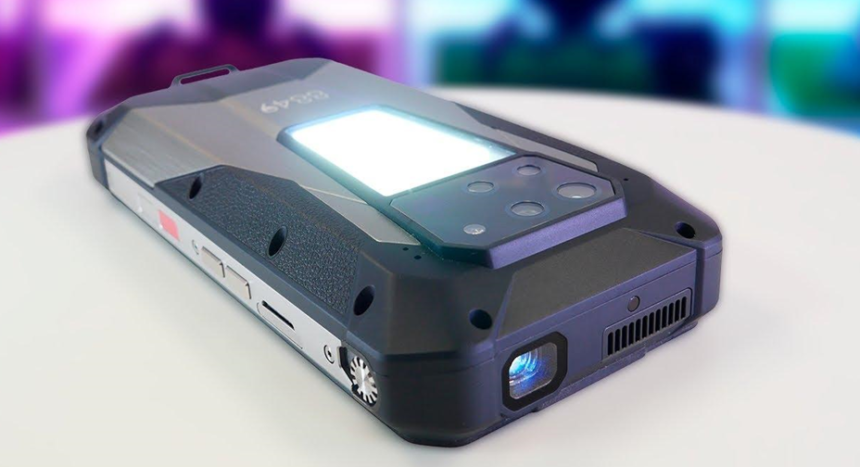
You see the label on device spec sheets and product boxes, yet the MIL-STD-810H standard often generates more confusion than clarity. It is not a single pass-or-fail test. It describes a suite of laboratory procedures created by the U.S. Department of Defense to evaluate how equipment handles environmental stress. In the field, that matters.
Knowing what the standard actually addresses helps you separate marketing noise from practical durability.
What Does the MIL-STD-810H Standard Actually Test?
It tests how a device responds to specific environmental conditions inside a controlled lab, not in open terrain. The standard details methods for temperature extremes, humidity, vibration, shock, sand, dust, and more. Each procedure defines test parameters a manufacturer can tailor. A device may survive rapid temperature swings from storage at −33 °C to operation at 63 °C, but only if the brand selected and followed that method accurately. The result is not a universal ruggedness certificate. It is evidence of performance under a chosen set of stress scenarios.
MIL-STD-810H Standard
The overarching framework groups tests into climatic, dynamic, and contaminant-focused categories. Climatic tests cover temperature, humidity, and solar radiation. Dynamic tests measure mechanical stress like vibration and shock. Contaminant tests replicate sand, dust, and fluids. Every section explains test setup, duration, and expected failure thresholds. Manufacturers document which methods they applied, which matters more than a blanket “810H certified” badge on a spec sheet.
Common Methods
Three methods appear frequently in rugged device claims. Temperature shock evaluates rapid transitions between hot and cold chambers. Random vibration simulates transport over rough roads. Drop resistance follows edge, corner, and face impact sequences onto a defined surface. None of these are outdoor field trials; they are reproducible lab benchmarks.
Key Environmental Test Procedures
Lab tests under 810H target single conditions at a time. A device might ace a six-hour high-temperature soak yet still fog internally when moved to humid air. That is why multiple methods matter. Rain testing sprays water at a specified rate and angle. Humidity testing runs for days at elevated temperatures to expose corrosion or circuit failure. Sand and dust resistance uses fine particles blown at seals and ports.
A critical nuance is that the standard supplies the methodology, not acceptance criteria. The procuring agency or manufacturer defines what constitutes a pass. Two phones labeled “810H tested” may have endured radically different intensities. Always check which methods were applied, because a shock-only test does not imply thermal resilience.
These procedures also assume like-new conditions. Repeated drops, worn seals, or aging battery packs change outcomes in the field. Lab data gives a baseline, not a lifetime guarantee.
MIL-STD-810H vs. IP Ratings: What’s the Difference?
IP ratings describe protection against solids and liquids using a standardized IEC scale. MIL-STD-810H describes multiple environmental endurance methods, with water and dust as just a subset. The two systems address related but separate territories.
An IP68 rating tells you a device survived submersion in fresh water under specific lab conditions. An 810H rain or immersion test can be more application-focused, like blowing rain at a certain pressure. Neither certifies waterproofing in all real-world scenarios like salt water, high-pressure spray, or prolonged submersion under changing temperatures. Use both to frame expectations, but always assume field conditions exceed lab parameters.
How the MIL-STD-810H Standard Applies to Field Gear
Field users need a device that works after a dusty ride in an open truck bed or a sudden downpour. The standard helps estimate that reliability when you know which methods a manufacturer selected. A device tested for high-temperature storage might survive inside a sun-baked vehicle. One tested for low-temperature operation stands a better chance during winter mornings. The key is matching the test methods to your actual exposure, not just the MIL-STD badge.
Water Resistance
If a spec sheet mentions 810H rain testing, ask which rate and duration were used. Blowing rain at 1.7 mm/min for 30 minutes differs from a brief mist test. Pair 810H rain data with an IP rating to gauge protection, and remember that port covers, SIM trays, and speaker grilles remain weak points. Field repairs and wear degrade even the best-sealed device over time.
Dust Ingress
Blowing dust procedures in 810H can reveal whether seals keep fine particles out of lenses, ports, and buttons. A dust-tight result in the lab suggests the phone can handle arid, windy environments. Still, combined sand and vibration stress is tougher than any single test. In the field, alternate between blowing dust and turbulence to get a real sense of seal integrity.
What to Look for in MIL-STD-810H Certified Gear
Spec sheets often shout “MIL-STD-810H” without listing the exact methods. Read beyond the badge. The right questions separate tools that survive from those that crumble.
- Confirm which test methods were applied and to what severity.
- Look for transparency about temperature ranges, drop height, and water exposure.
- Check if the device carries an IP rating that complements 810H water and dust data.
- Examine physical design: recessed screens, reinforced corners, and sealed ports.
- Ask about warranty terms for damage sustained during normal field use.
If you are evaluating a waterproof rugged phone, insist on both IP and 810H details. A single certification cannot cover all the ways water finds a path inside.
Field-Ready Features Beyond MIL-STD-810H
Durability standards form the foundation, but field productivity depends on practical capabilities. Battery life under temperature stress, glove-friendly touchscreens, and screen visibility in direct sunlight matter daily. A built-in projector, found in a device like the Tank 3 Pro, adds utility for team briefings or map sharing in remote locations. Such features must be weighed alongside physical toughness. A fragile projector cannot serve its purpose if the phone fails after one drop.
Follow this priority list when choosing gear for extended field use:
- Match 810H test methods to the specific environmental threats you encounter.
- Pair the standard with an IP rating for a clearer water and dust picture.
- Evaluate battery runtime published for extreme temperatures, not only room conditions.
- Test screen readability outdoors and with polarized sunglasses.
- Verify that accessory ports and attachments remain secure after repeated use.
Practical testing on your own trail walk or job site still outperforms any lab number. Use the standards as a filter, then validate with real-world handling.
Conclusion
The MIL-STD-810H standard offers a structured way to compare how devices handle environmental stress, provided you look past the marketing headline. It is a collection of laboratory methods, not a blanket promise of invincibility. Check which tests were performed, pair them with IP ratings, and always weigh field-driven features like battery life and screen toughness.
When you treat the standard as a starting point rather than a final verdict, you choose equipment that holds up when it matters most. The next time a spec sheet catches your eye, dig into the details and make the decision that your real-world work demands.