Nepal is a gateway to some of the world’s most thrilling adventures. It has a unique landscape composition, offering dense forest, traditional villages, alpine terrain, glaciers, and mountains in one single trip. Similarly, there are several jungles and protected regions that are home to unique flora and fauna. The remote areas of Nepal still remain untouched and provide an authentic wilderness experience. Moreover, the country is equally rich in cultural aspects; it is home to more than 120 ethnic groups.
As a secular state, there are 10 plus religious groups. Therefore, travelers get to explore several unique traditional practices and celebrations and indulge in authentic local dishes. Whether you are a beginner or an experienced adventurer looking for an adrenaline kick, this beautiful country has something for you. From short treks to more challenging ones, introductory peaks to technical mountains, and aerial Himalayan exploration, you can get it all. So, let’s dive a bit deeper into a few iconic adventures that Nepal has to offer and attracts several tourists from around the world every year.
Everest Base Camp with Helicopter Return
It offers a combination of adventure and comfort. Likewise, the Everest Base Camp with Helicopter Return journey follows the iconic trail, allowing you to experience the journey up close. However, while returning back instead of retracing the same route, you return to Kathmandu by flying. This saves a few days, reduces physical strain and also presents a window for aerial photography. Trekkers do not have to compromise between scenic views and cultural exposure.
In fact, flying above the mountains provides breathtaking views that are completely different from the trekking perspective. It is a modern and efficient variation of the traditional EBC journey. Therefore, it is ideal for travelers who have busy schedules and want to enjoy the trek to the fullest without missing out on anything.
Highlights
- Trek through Sagarmatha National Park, and get an opportunity to explore the rare wildlife of the region.
- Scenic flight from Kathmandu to Lukla.
- Visit monasteries, like Tengboche, Thame, and Khumjung.
- Witness clear views of Mount Everest, Lhotse, Ama Dablam and many more.
- Walk alongside the Khumbu Glacier.
- Explore the Sherpa culture and traditions. Moreover, walk along the trails that are adorned with colorful prayer flags.
- Golden sunrise and sunset from the Kala Patthar viewpoint.
- Helicopter returns from the Everest region back to Kathmandu, which provides a unique frame of Himalayan grandeur.
- Get the bird’s-eye views of the mountains, valleys, glaciers and icefalls.
Everest Helicopter Tour
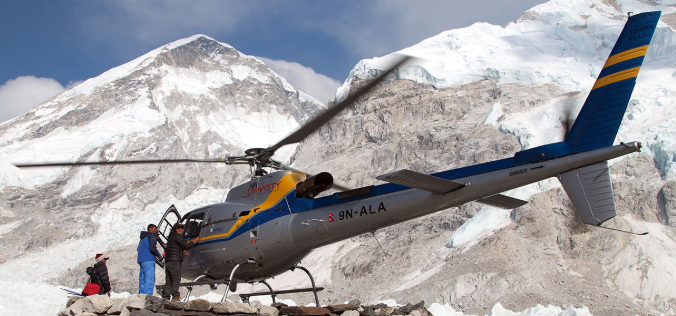
It is best suited for someone who cannot commit to multiple days of trekking but still wants to witness the beauty of the Himalayas. In recent years, the Everest Base Camp Helicopter Tour has gained popularity thanks to the conveniences, comfort, and luxury it offers. Unlike the classic treks, it is completed within just 4 to 5 hours, so it removes the multiple days of commitment. Therefore, it is the best option for travelers who have a limited time frame and cannot opt for longer holidays. Likewise, it is also ideal for individuals with health issues that prevent them from going on a trek. Typically, these tours come in two forms: the first is a flyover, and the second is a landing.
Flyover
In this option, the helicopter flies above the Everest region but does not make any stops at the viewpoints. They just hover closely right above the major landmarks. Thus, passengers can still get majestic views of the Himalayas, glaciers, icefalls, and the mountain valleys.
Landing
This option is slightly more immersive, as it provides a scenic stop at the viewpoint. Typically, the helicopter lands at Kala Patthar for around 30 minutes allowing the passengers to admire the panoramic views more closely.
Peak Climbing / Mountaineering
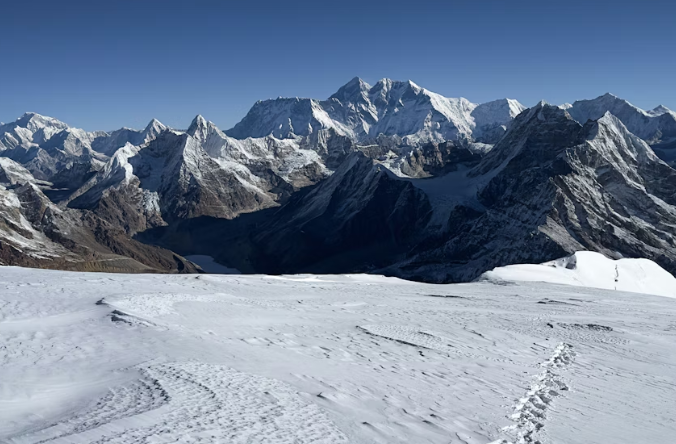
Nepal has 27 trekking peaks which range from 5,500 meters to 6,500 meters. These are the introductory mountains that are ideal for starting your mountaineering journey. Similarly, they typically do not require any climbing experience, but they do need to operate basic tools, like ice axes, ropes, and carabiners. Amongst these, Mera Peak Climbing is one of the least technical and is suitable for novice climbers. It is located in the beautiful Hinku Valley and has an elevation of 6,476 meters, which makes it the highest trekking peak of Nepal.
There are more than 400 expedition mountains open for climbers. Similarly, they are managed by the Nepal Mountaineering Association (NMA) and require a special climbing permit. Contrary to the helicopter tour and treks, it demands high physical stamina and endurance. It is highly beneficial to have a prior high-altitude journey experience. Similarly, for improved safety, acclimatization, well-supported teams, and proper gear are important.
Tips to Make Your Climb Successful
Here are a few suggestions to help make your summit attempt a success.
- Above 3,000 meters, maintain a slow and steady pace and always keep the elevation gain gradual.
- Wear proper gear, like a climbing suit, mountaineering boots, insulating gloves and socks, polarized glasses, etc.
- Practice how to operate the ice axes, ropes, jumars, and other required tools.
- Only go for the climb with a certified expedition leader who can handle emergencies in the mountains.
- Assess your physical fitness carefully. After that choose a peak that matches your experience level.
- Wear layered clothes to stay protected from extreme cold.
- Stay hydrated, as our bodies lose more fluid in cold weather compared to normal conditions. Even though dehydration does not directly cause Acute Mountain Sickness, it does amplify the signs.
- Do not leave any traces in the mountains; always bring it back with you, and dispose of it properly. Simply, follow the responsible trekking principles.
- Get travel insurance to stay covered during unforeseen circumstances. Also, make sure to include the emergency helicopter evacuation and hospitalization. It is especially important for peak climbing because the mountain weather changes in the blink of an eye. Even the clearest morning can lead to dark and stormy evenings.
- Climbers should train in advance and keep their focus on cardio fitness, leg strength, and building endurance.