



Key Takeaways
- Children who show a natural interest in diverse languages and social environments often adapt quickly to globalised curricula.
- A preference for hands-on, inquiry-based learning indicates that a child will benefit from the exploratory nature of international programmes.
- Early signs of independence and emotional resilience suggest a child is ready for the multicultural social dynamics of an international setting.
Introduction
To select the first educational environment for a child, parents must observe their unique personality traits and learning preferences. In a multicultural society, an international preschool in Singapore offers a distinct approach that prioritises global perspectives and inquiry-based discovery. These institutions often draw from various pedagogical traditions, creating a classroom atmosphere that values diversity and creative problem-solving. While many children benefit from this exposure, certain indicators suggest that a child is particularly well-suited for such a dynamic setting. By recognising these signs early, parents can make an informed decision that aligns with their child’s developmental trajectory and the family’s long-term academic goals.
Linguistic Curiosity and Social Adaptability
Children who demonstrate an early fascination with various sounds, words, and communication styles flourish in an international preschool in Singapore. This environment introduces bilingualism or even multilingualism as a core component of the daily routine. If your child attempts to mimic foreign phrases or shows excitement when interacting with people from different backgrounds, they likely possess the linguistic elasticity required for a globalised curriculum. MapleBear Lavender, for instance, utilises a Canadian immersion methodology that encourages children to pick up a second language naturally through play. A child who thrives on vocal expression and social interaction will find the diverse peer groups in these settings both stimulating and rewarding.
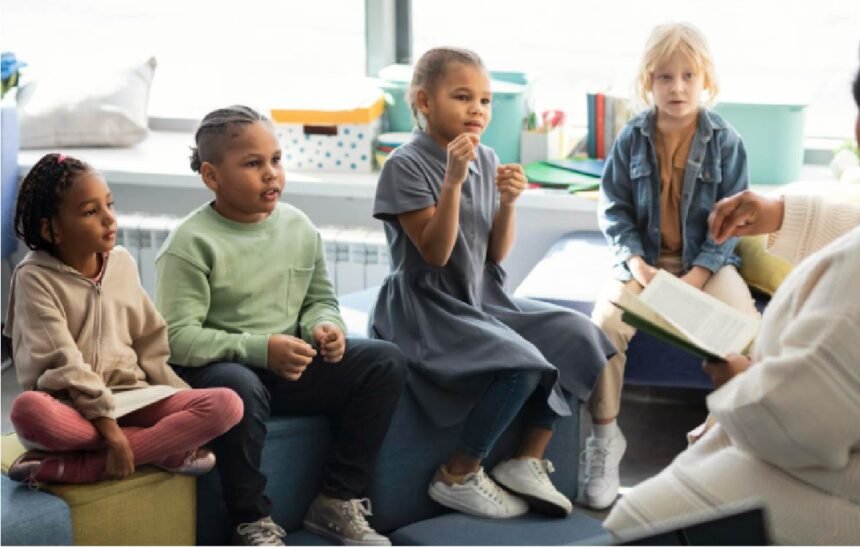
Social adaptability also serves as a strong indicator of future success in a multicultural classroom. International schools host students from a wide range of nationalities, meaning your child will encounter various social norms and communication styles. If your child navigates new social situations with ease or displays a high level of empathy toward peers who speak different languages, they will likely enjoy the inclusive atmosphere of an international programme. These schools focus on social-emotional learning, helping children build the confidence to interact with a global community. MapleBear Lavender fosters this by creating a secure environment where children can collaborate on group projects and develop essential interpersonal skills.
A Preference for Inquiry-Based and Active Learning
A child’s natural curiosity about how the world works often points toward the suitability of an international curriculum. Most international programmes move away from rote memorisation and instead embrace an inquiry-based model where students ask questions and lead their own investigations. If your child spends hours dismantling toys to see how they function or asks why regarding every natural phenomenon, they possess the inquisitive mindset that these schools cultivate. An international preschool in Singapore provides the tools and space for these children to test their theories through hands-on experiments and sensory play, which ensures that the child remains engaged and develops a genuine love for the process of discovery.
Furthermore, children who prefer varied daily schedules and multiple types of stimuli often perform well in these settings. International curricula in an education centre typically integrate arts, physical education, and outdoor exploration directly into the academic day rather than treating them as separate extras. If your child thrives when moving between different types of tasks, such as shifting from a quiet reading nook to a messy art station, they will appreciate the diverse structure of a globalised programme. MapleBear Lavender designs its classrooms to facilitate this movement, ensuring that children can explore different interests within a single session, preventing boredom and allowing them to develop a well-rounded set of skills.
5 Signs Your Child Is Ready for an International Setting
- Interest in Diverse Cultures – Your child shows curiosity about different foods, traditions, and clothing styles.
- Resilience in New Environments – The child recovers quickly from minor setbacks and adapts well to changes in their daily routine.
- Strong Communication Desires – A persistent effort to express ideas, even before the child achieves full fluency in a primary language.
- Love for Collaborative Play – A preference for working with others on puzzles, building blocks, or role-playing games.
- Independent Problem-Solving – The child attempts to find solutions to simple challenges before seeking adult assistance.
Conclusion
Determining the best fit for your child’s early education requires a balance of observation and practical planning. An international preschool in Singapore provides a robust platform for children who exhibit linguistic curiosity, social openness, and a hunger for active discovery. Schools like MapleBear Lavender bridge the gap between home and the wider world by providing a nurturing space for these traits to grow. When you match your child’s natural inclinations with the right pedagogical framework, you set the stage for a positive lifelong relationship with learning. The right preschool choice respects your child’s current personality while preparing them for the complexities of a globalised future.
Uncover a world-class bilingual environment that nurtures your child’s natural curiosity. Contact MapleBear Lavender today to discover our multicultural community in action.