



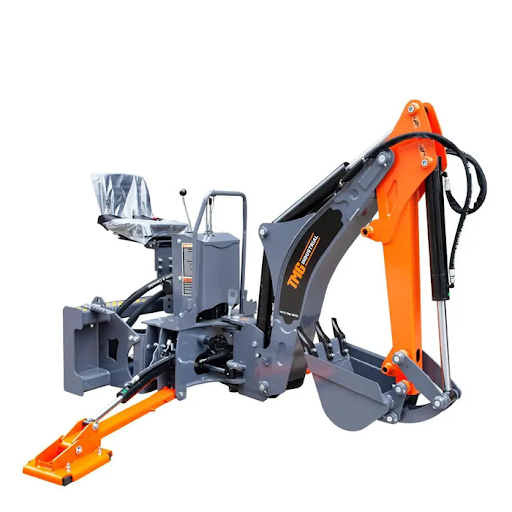
Introduction: German Agricultural Site Needs
German farms require efficient earthmoving for irrigation, drainage, and building projects. Hiring excavators for small tasks increases operational costs. A skid steer backhoe attachment transforms existing loaders into digging machines. German agricultural operations benefit from multi-use equipment. This attachment suits farms with 30 to 60 horsepower skid steers. The universal mount fits most European loader brands.
Technical Overview and Farm Applications
Attachment Design
The backhoe provides 180 degree boom and bucket rotation. Digging depth reaches eight feet. Hydraulic control valves are Italian manufactured. The unit includes a twelve inch bucket for trenching. Universal mounting plate connects to standard skid steer couplers.
Agricultural Uses
Drainage trench installation for wet fields. Water line burial for livestock. Foundation digging for storage sheds. Tree removal with root excavation. Manure pit cleaning and maintenance.
Efficiency and Safety Contributions
Operational Productivity
One machine performs loading and digging tasks. No separate excavator transport or rental. Attachment connects in under three minutes. Hydraulic controls use existing loader system. Task completion time reduces by fifty percent versus manual digging.
Safety Enhancements
Operator remains seated during attachment change. Hydraulic lock valves prevent boom drop. Italian control valves provide precise metering. Stabilizer legs increase digging stability. Bucket teeth reduce overloading risk.
Technical Specifications and Compatibility
Power Requirements
Skid steer must produce 30 to 60 horsepower. Hydraulic flow needs 10 to 20 gallons per minute. Auxiliary hydraulic circuit required for operation. Universal mount fits ASME standard plates.
Digging Capabilities
Maximum digging depth is eight feet. Reach from pivot point is 11.5 feet. Bucket rotation is 180 degrees. Breakout force reaches 3,500 pounds. Bucket width options available from 9 to 18 inches.
Factors Influencing Performance
Ground Conditions
Sandy soil allows fastest digging. Clay requires slower boom swing. Rocky ground needs tooth inspection. Frozen earth prevents operation below minus five Celsius.
Maintenance Needs
Grease pivot pins every ten operating hours. Inspect hydraulic hoses for wear monthly. Check bucket teeth retention daily. Change hydraulic fluid at attachment schedule.
Operator Skill
Swing speed control prevents machine tipping. Stabilizer leg placement affects digging angle. Bucket curling technique fills faster. Trench straightness depends on operator experience.
Safety Measures and Best Practices
Pre-Operation Guidelines
- Check hydraulic oil level
- Inspect all hoses and fittings
- Verify stabilizer leg pins
- Test control valve function
- Wear seatbelt during use
Operational Safety
Never exceed machine flow rating. Keep bystanders twenty feet away. Lower boom before leaving cab. Use stabilizer legs on level ground. Stop engine before clearing bucket jams.
Equipment Types and Accessories
Backhoe attachments range from six to nine foot depth. This eight foot model suits general farm tasks. Accessories include bucket teeth for hard ground. Hydraulic thumb for grabbing objects. Extension hoses for remote operation. Storage stand for attachment parking. Transport brackets for road movement.
Advantages and Limitations
Advantages:
- Eliminates separate excavator
- Eight foot digging depth
- Universal skid steer mount
- Italian hydraulic valves
- 180 degree boom rotation
- Three minute attachment time
- Twelve inch bucket included
Limitations:
- Requires auxiliary hydraulics
- Not for full-time excavating
- Reduces loader lift capacity
- Stabilizer setup takes time
- Operator training necessary
- Heavy for small skid steers
Real-World Agricultural Case
A German mixed farm near Leipzig needed drainage on twenty hectares of wet pasture. Hiring an excavator for three weeks cost 4,800 euros. The owner purchased a TMG skid steer backhoe attachment. The farm’s 50 horsepower skid steer provided hydraulic flow. One operator dug 1,200 metres of drainage trench over twelve days. The attachment paid for itself on this single project. Subsequent uses included foundation digging for a machinery shed and repair of three field drainage outlets. After eighteen months, the backhoe showed no hydraulic or structural issues. The farm reported reduced contractor dependence.
Conclusion and Future Trends
German agriculture demands versatile, cost-effective equipment. Skid steer backhoe attachments reduce machine fleet complexity. Future designs may include automatic stabilizer deployment. Hydraulic quick couplers could speed attachment changes. Telemetry systems might track digging performance. Farmers should evaluate backhoe attachments for farms with monthly trenching needs. Proper hydraulic flow verification and operator training remain essential. The combination of eight foot depth and universal mount makes this attachment suitable for diverse German agricultural operations.