



Introduction
The rise of digital fabrication has transformed the way products are designed, prototyped, and manufactured. What once required large industrial facilities can now be achieved from small workshops, classrooms, and even home offices using compact machines and advanced software systems. Modern fabrication technologies allow creators to move seamlessly from digital concepts to physical products with greater speed and precision than ever before.
At the center of this transformation is the connection between software, design platforms, and fabrication hardware. Engineers, hobbyists, architects, and manufacturers rely on integrated systems that combine digital design tools, fabrication software, and machine hardware into a streamlined fabrication workflow. From CNC machines to laser systems and 3D printers, these technologies are reshaping computer-aided manufacturing and enabling users to produce customized products efficiently.
The Role of a Laser Engraver in Digital Fabrication
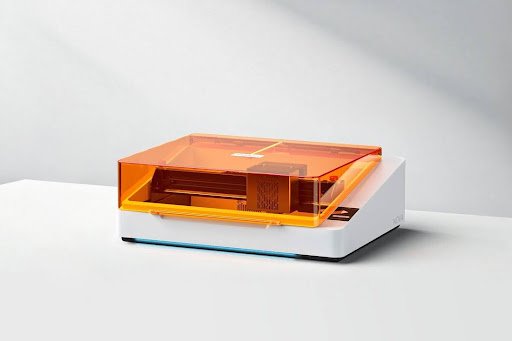
A modern Laser Engraver is one of the most versatile machines in digital fabrication environments. It bridges the gap between software-based designs and physical production by converting digital files into highly precise engravings or cuts on materials such as wood, acrylic, leather, metal, and glass.
The process typically begins with digital design tools like vector illustration software or CAD programs. Users create patterns, logos, prototypes, or technical drawings that are then exported into fabrication software. This software translates design data into machine-readable instructions that guide the laser system with remarkable accuracy.
One reason laser systems are so valuable in computer-aided manufacturing is their ability to produce consistent results with minimal material waste. Designers can quickly test ideas, modify dimensions, and reproduce complex patterns without rebuilding tooling or molds. This flexibility supports rapid prototyping and short production runs, making fabrication workflows faster and more cost-effective.
Additionally, laser technology supports hardware and software integration by allowing machines to communicate directly with design applications. Many modern systems offer cloud connectivity, real-time monitoring, and automated calibration features that improve efficiency while reducing operational errors.
How Fabrication Software Streamlines Production
Fabrication software acts as the control center of the digital fabrication process. It connects digital designs to physical machines while ensuring that production instructions are accurate and optimized for the selected hardware.
The workflow often starts with CAD or graphic design software where users develop technical drawings or creative concepts. Once finalized, these files are imported into fabrication software that adjusts settings such as cutting speed, engraving depth, material thickness, and tool paths. This conversion process is critical because every fabrication machine requires precise instructions tailored to its capabilities.
Modern fabrication software also improves productivity by automating repetitive tasks. Features like nesting optimization, material estimation, and automated alignment reduce manual setup time and minimize production errors. For manufacturers and creators handling multiple projects, these automation tools can significantly improve operational efficiency.
Another important benefit is compatibility. Many fabrication platforms support various machine types, allowing businesses to manage CNC routers, laser cutters, and 3D printers from unified software systems. This integration creates smoother production pipelines and supports scalable manufacturing environments.
Digital Design Tools and Creative Flexibility
Digital design tools are the foundation of any successful fabrication workflow. These programs allow creators to visualize concepts, refine technical details, and prepare files for manufacturing with high precision.
Software platforms used in digital fabrication range from beginner-friendly graphic editors to advanced engineering applications. Designers can create 2D illustrations, 3D models, product prototypes, and mechanical assemblies while testing measurements and structural performance before production begins.
One of the greatest advantages of digital design tools is flexibility. Designers can quickly adjust dimensions, experiment with layouts, or customize products without starting from scratch. This is especially valuable in industries that require personalized manufacturing, such as interior décor, product branding, architecture, and educational prototyping.
Collaboration is another important feature. Cloud-based design systems allow teams to work remotely while sharing updates in real time. Engineers, designers, and machine operators can review projects simultaneously, reducing communication gaps and accelerating development timelines.
As digital fabrication continues to evolve, design software increasingly incorporates artificial intelligence, simulation tools, and automated error detection. These innovations help users optimize material usage, improve precision, and reduce manufacturing risks before hardware production begins.
Why Desktop Fabrication Tools Are Becoming More Popular
Modern desktop fabrication tools are making advanced manufacturing technologies accessible to small businesses, schools, creators, and hobbyists. Compact laser cutters, desktop CNC machines, and 3D printers now provide professional-level capabilities without the cost or space requirements of industrial equipment.
One major reason for their popularity is affordability. Advances in technology have reduced hardware costs while improving machine performance. Users can now establish small-scale fabrication workshops with relatively modest investments compared to traditional manufacturing setups.
Ease of use is another factor driving adoption. Many fabrication systems include user-friendly interfaces, automatic calibration features, and simplified fabrication software that reduces the learning curve for beginners. This accessibility has expanded digital fabrication into educational programs, maker spaces, and home-based businesses.
These compact systems also encourage experimentation and innovation. Entrepreneurs can develop prototypes quickly, test market ideas, and produce customized items in small batches without relying on external manufacturers. This flexibility supports faster product development cycles and greater creative freedom.
Furthermore, desktop fabrication systems play an important role in STEM education. Students gain hands-on experience with engineering concepts, digital design tools, and computer-aided manufacturing processes that prepare them for future technical careers.
The Importance of Hardware and Software Integration
Effective hardware and software integration is essential for efficient digital fabrication. Without smooth communication between design platforms and fabrication machines, production errors, delays, and quality issues can occur.
Integrated systems improve precision by ensuring that machine settings accurately reflect design specifications. When software communicates directly with fabrication hardware, operators can automate tasks such as positioning, calibration, and material recognition. This reduces manual adjustments and improves consistency across production runs.
Connectivity also enhances workflow management. Cloud-based systems allow users to monitor machines remotely, track project progress, and update production files instantly. In larger manufacturing environments, integration enables multiple machines to operate within coordinated production networks.
Another advantage is predictive maintenance. Advanced fabrication systems can collect performance data and identify potential hardware problems before failures occur. This minimizes downtime and helps businesses maintain productivity.
As Industry 4.0 technologies continue to expand, the relationship between software and fabrication hardware will become even more intelligent. Smart factories and automated production systems increasingly rely on connected fabrication tools capable of real-time communication and adaptive manufacturing processes.
Future Trends in Digital Fabrication
The future of digital fabrication is being shaped by automation, artificial intelligence, and increasingly connected manufacturing systems. As technology evolves, fabrication workflows are becoming faster, smarter, and more adaptable.
Artificial intelligence is expected to play a larger role in fabrication software by optimizing machine settings, detecting design flaws, and improving production efficiency automatically. AI-assisted systems may eventually help users generate manufacturing-ready designs with minimal manual adjustments.
Sustainability is another growing priority. Fabrication systems are being designed to reduce waste, improve energy efficiency, and support environmentally responsible manufacturing practices. More companies are adopting recyclable materials and precision fabrication methods that minimize excess production.
Cloud-based collaboration will also continue to expand. Designers, engineers, and manufacturers will increasingly work within shared digital environments that connect design tools, fabrication software, and production hardware in real time.
Finally, advancements in machine technology will continue making digital fabrication more accessible. Smaller, faster, and more affordable systems will allow individuals and businesses to produce high-quality products from virtually anywhere.
Conclusion
Digital fabrication has fundamentally changed the relationship between design and manufacturing. Through the integration of fabrication software, digital design tools, and advanced hardware systems, creators can transform ideas into physical products with remarkable speed and precision.
From laser systems and CNC machines to compact desktop manufacturing devices, modern fabrication technology enables efficient workflows that support innovation across industries. Hardware and software integration continues to improve automation, accuracy, and productivity while making computer-aided manufacturing more accessible to businesses and individuals alike.
As fabrication technologies continue evolving, the connection between software, design, and hardware will become even more seamless. This ongoing transformation will shape the future of manufacturing, empowering creators with smarter tools, greater flexibility, and new possibilities for digital production.