



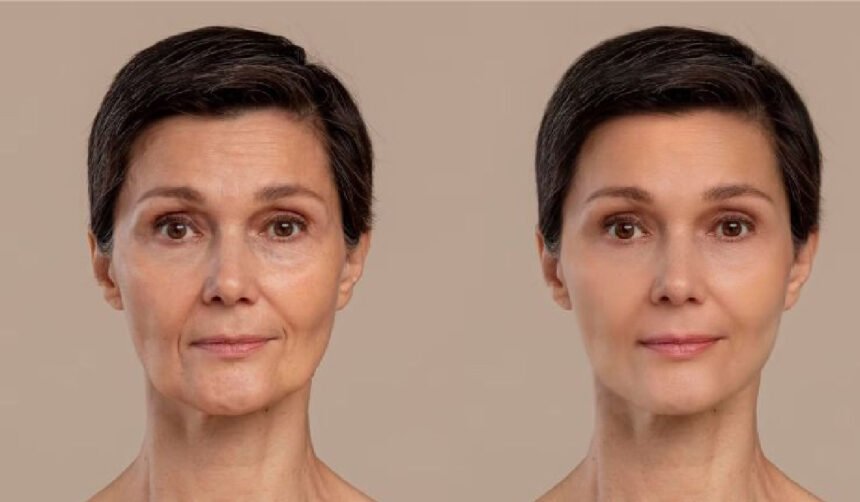
Facelift surgery is often viewed as a way to refresh appearance and restore confidence. With advances in cosmetic techniques and widespread promotion across social media, the procedure is commonly presented as routine and predictable. For many people, that perception plays a major role in deciding to go ahead.
However, a facelift is still a complex surgical intervention. It involves altering skin, muscle and connective tissue in one of the most delicate areas of the body. While many procedures are carried out without issue, the potential risks are not always fully understood beforehand. Some complications are well known, while others only become apparent once recovery is underway.
Understanding these lesser-discussed risks can help anyone considering a facelift to make an informed decision before surgery, and support them in identifying potential concerns if recovery does not progress as expected.
What a facelift procedure involves
A facelift, also referred to as a rhytidectomy, is designed to reduce visible signs of ageing by tightening loose skin, repositioning underlying tissue and refining facial contours. The approach used will depend on the areas being treated and the level of correction required.
Common types of facelift include full facelifts, which address the lower face and neck, and more limited procedures such as mini facelifts that focus on specific areas like the jawline. Although techniques vary, all facelifts involve surgical incisions and work beneath the surface of the skin.
Because the face contains a dense network of nerves, muscles and blood vessels, even small surgical variations can affect outcome and recovery.
Why facelifts carry inherent risk
Unlike non-surgical cosmetic treatments, facelifts involve direct surgical manipulation of facial structures. This introduces a level of risk that cannot be removed entirely, even in experienced hands.
Individual factors can influence how someone responds to surgery. Age, skin condition, circulation, smoking history and underlying health conditions all affect healing and increase the likelihood of complications. The way the body reacts to anaesthetic and surgical trauma also differs from person to person.
Common side effects of facelifts
While some side effects are expected during recovery, others may indicate that the procedure has not gone as planned.
Complications that are not always discussed
Certain facelift risks receive limited attention during consultations, despite having a lasting impact on appearance or wellbeing.
- Nerve-related issues can occur when facial nerves are stretched or damaged during surgery. This may lead to numbness, altered sensation or weakness in parts of the face. In some cases, these effects resolve over time. In others, they persist.
- Facial asymmetry may develop if tissues heal unevenly or are repositioned inconsistently. Even subtle differences can be noticeable during speech or expression and may affect confidence.
- Blood accumulation beneath the skin, known as a haematoma, can cause swelling, pain and pressure shortly after surgery. Larger haematomas often require additional treatment.
- Where infection occurs, and treatment is mismanaged, skin tissue can die off leading to leading to delayed healing and, in severe cases, the need for surgical intervention.
The surgeon should also take the time to explain that potential complications can include long-term discomfort, such as ongoing tightness or pain that continues beyond the expected recovery period.
The emotional impact of unexpected outcomes
The psychological effects of facelift complications are often underestimated. Many people choose cosmetic surgery to feel more comfortable with their appearance. When results fall short, or create new concerns, the emotional response can be intense.
Feelings of regret, embarrassment or anxiety are not uncommon, particularly if physical changes are visible or difficult to conceal. Some people withdraw from social situations or experience a loss of self-esteem that affects daily life.
These emotional effects can persist even after physical healing has taken place, especially if further surgery is required or the outcome cannot be fully corrected.
The role of informed consent and professional standards
Cosmetic surgeons have a responsibility to assess suitability for surgery, explain realistic outcomes and outline all material risks. Consent should be based on clear, balanced information, not reassurance alone.
Patients should understand what the procedure can and cannot achieve, how recovery is likely to progress and what complications may arise. When risks are minimised or omitted, people may proceed without fully appreciating the potential consequences.
Where surgical technique, advice or aftercare falls below accepted standards, harm may occur that goes beyond recognised complications.
When a poor outcome may indicate negligence
Not every disappointing result is due to negligence. However, certain outcomes may raise questions about the care provided.
These include permanent loss of movement, pronounced asymmetry, scarring in unexpected areas or unresolved infection. A result that is significantly different from what was discussed prior to surgery may also be a cause for concern.
In these situations, some people explore facelift claims with a solicitor so they can understand whether substandard care played a role, and whether they can seek compensation for the physical and psychological effects they have experienced.
Steps to take if concerns arise after surgery
If recovery does not follow the expected pattern, early action can make a difference. Seeking medical advice is a sensible first step, particularly if symptoms worsen or new issues develop.
Keeping records of symptoms, photographs and communications can help build a clear picture of what has occurred. Requesting copies of medical notes and consent documentation is also important, particularly for making a claim.
A second opinion from an independent practitioner can provide clarity on whether the outcome falls within an acceptable range or points to a problem with the procedure itself.
In many cases, facelift surgery produces results that meet expectations, but it is not a guaranteed or risk-free procedure. Understanding the possible physical and emotional complications helps people approach surgery with realistic expectations and recognise when an outcome falls short of what was discussed.