



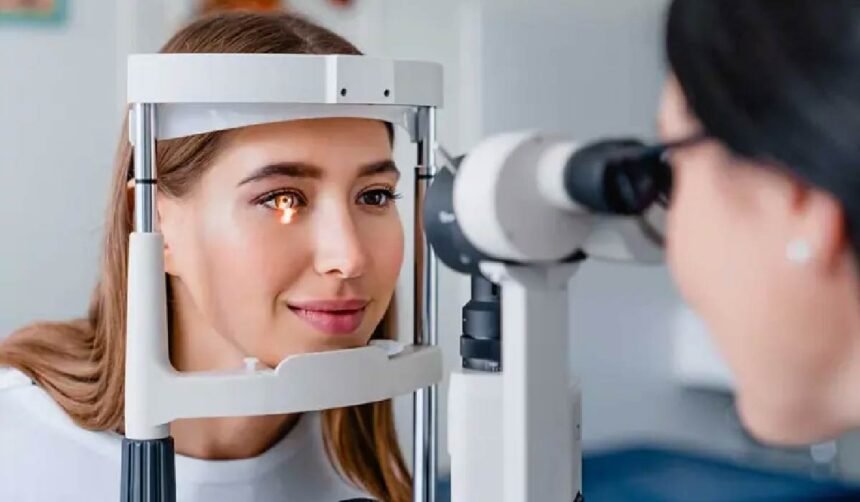
The decision to undergo laser eye surgery is a significant one, and it’s no surprise that people across London are willing to travel considerable distances to find the right clinic for their needs. From Bromley to Barnet, and from Ealing to Greenwich, thousands of Londoners make journeys that extend well beyond their local area in search of excellence in eye care. This phenomenon speaks volumes about the priorities people place on their vision and the factors that truly matter when choosing where to entrust such an important procedure.
If you’re thinking about laser eye surgery and wondering whether it’s worth travelling for the right clinic, make sure you explore your options with care. The expertise of your surgeon, the technology they use, and the clinic’s overall approach can significantly influence both your results and your long-term visual comfort.
Convenience alone shouldn’t guide such an important decision. Prioritise a clinic that offers clear communication, personalised assessments, and dedicated aftercare, the very standards that define Precision Vision London,a leading laser eye surgery clinic in London.
The Technology Advantage
One of the primary reasons people venture across London is access to cutting-edge technology. The field of laser eye surgery has advanced remarkably in recent years, with new laser systems offering greater precision, faster treatment times, and improved outcomes. Leading clinics invest heavily in the latest equipment, understanding that technology plays a crucial role in achieving optimal results. Patients recognise that not all clinics operate with the same technological capabilities, and they’re increasingly willing to travel to access facilities that offer the most advanced options available.
Modern laser platforms can map the unique characteristics of each individual’s eye with extraordinary detail, allowing surgeons to create truly customised treatment plans. This level of personalisation simply wasn’t possible a decade ago. For many people, knowing that a clinic has invested in the newest generation of laser systems provides confidence that they’ll receive treatment based on the most current standards of care. The technology difference between clinics can be substantial, and savvy patients understand that this directly impacts the quality of their results.
Expertise That Inspires Confidence
Beyond technology, the expertise of the surgical team stands as perhaps the most compelling reason people travel for laser eye surgery. Experienced surgeons who have performed thousands of procedures bring a level of skill and judgment that cannot be replicated. These specialists have encountered virtually every type of eye anatomy and complication, equipping them with the knowledge to handle even the most challenging cases with confidence and precision.
Leading practitioners often have additional subspecialty training, publish research, and contribute to advancing the field through innovation and education. When patients research their options, they naturally gravitate toward surgeons with stellar reputations and proven track records. Word-of-mouth recommendations from friends, family, and colleagues who’ve had successful outcomes play a significant role in this decision-making process. People understand that their eyes are irreplaceable, and they want the most capable hands performing their surgery, regardless of how far they need to travel.
Comprehensive Consultation and Personalised Care
The consultation process distinguishes exceptional clinics from average ones. People travel distances because they’ve heard about the thoroughness of certain clinics’ assessment protocols. A truly comprehensive consultation involves multiple diagnostic tests, detailed discussions about lifestyle and visual goals, and honest conversations about whether laser eye surgery is the right choice. Some clinics rush through consultations, treating them as mere formalities before scheduling surgery. In contrast, leading facilities take time to understand each patient as an individual, addressing concerns and setting realistic expectations.
Personalised care extends well beyond the initial consultation. Patients appreciate when clinics tailor treatment approaches to their specific needs rather than applying a one-size-fits-all methodology. This might involve recommending a particular laser technique, suggesting an alternative procedure if laser surgery isn’t ideal, or designing a custom treatment profile based on unique eye characteristics. The feeling of being treated as an individual rather than a number in the system makes the journey across London feel worthwhile.
Safety Standards and Clinical Excellence
Safety protocols and clinical governance separate premium clinics from the rest. People researching laser eye surgery quickly learn that not all facilities maintain the same standards, and this knowledge drives them to seek out clinics with exemplary safety records. Leading establishments follow rigorous protocols for patient screening, infection control, equipment maintenance, and emergency preparedness. They’re transparent about their outcomes, willing to share success rates and complication statistics with prospective patients.
Accreditation from recognised bodies and positive inspection reports provide additional assurance that a clinic operates to the highest standards. Patients who take the time to investigate these factors often discover that travelling to a clinic with proven excellence is far wiser than choosing the nearest option without proper vetting. The peace of mind that comes from knowing you’re in safe, capable hands justifies the extra journey time for most people.
Aftercare and Long-Term Support
The commitment to patient care shouldn’t end when the laser stops firing. Exceptional clinics understand that comprehensive aftercare is essential for optimal outcomes and patient satisfaction. This includes scheduled follow-up appointments, access to the clinical team with questions or concerns, and long-term monitoring to ensure vision remains stable. People travel to clinics known for their aftercare because they recognise that the relationship doesn’t conclude the moment they leave the surgery suite.
Some clinics offer lifetime aftercare programs, providing reassurance that any future issues will be addressed without additional financial burden. This level of commitment demonstrates a clinic’s confidence in its work and genuine concern for patient welfare. The value of knowing you have ongoing support from a trusted team cannot be overstated, and it’s a significant factor in why people choose to travel for treatment.
The Investment in Quality of Life
Ultimately, people travel across London to the leading laser eye clinics because they understand that vision correction is an investment in their quality of life. The difference between adequate results and exceptional ones can impact daily experiences for decades to come. Whether it’s the clarity needed for professional work, the freedom to pursue sports and hobbies without glasses, or simply the confidence that comes with excellent vision, the benefits of choosing the right clinic extend far beyond the treatment day itself.
The journey across London becomes insignificant when weighed against the prospect of waking up each morning with clear, crisp vision. People who’ve made this choice consistently report that travelling for quality care was one of the best decisions they’ve made. The convenience of a local clinic pales in comparison to the lifelong advantages of receiving treatment from a facility that excels in every aspect of patient care.
Frequently Asked Questions
How safe is laser eye surgery?
Laser eye surgery has an excellent safety profile when performed by qualified surgeons in properly equipped facilities. Serious complications are rare, occurring in less than one per cent of procedures. The key to safety lies in thorough pre-operative screening to identify suitable candidates, the use of modern laser technology, and adherence to strict clinical protocols. Patients should ensure their chosen clinic maintains high safety standards and is transparent about their outcomes.
What is the typical recovery time after laser eye surgery?
Most patients experience rapid visual recovery, with many noticing improved vision within 24 hours of the procedure. The initial healing period typically lasts a few days, during which you may experience some discomfort, light sensitivity, and fluctuating vision. Most people return to work within two to three days, though individual recovery varies. Complete stabilisation of vision usually occurs over several weeks to a few months. Your surgeon will provide specific guidance based on the technique used and your individual healing response.
What are the potential risks and side effects?
Common temporary side effects include dry eyes, glare, halos around lights, and light sensitivity, which typically improve over the first few months. Most patients find these effects manageable and diminishing over time. More serious complications, such as infection, significant vision loss, or need for additional surgery, are uncommon. Discussing your specific risk factors with your surgeon during the consultation helps ensure you have realistic expectations and understand how your individual circumstances might affect outcomes.
Am I a suitable candidate for laser eye surgery?
Suitability depends on multiple factors, including your prescription, corneal thickness, overall eye health, and general medical condition. Ideal candidates are typically over 18 years old with stable vision for at least a year, healthy eyes free from disease, and realistic expectations about outcomes. Certain conditions, such as very thin corneas, severe dry eye, or particular medical conditions, may make laser surgery unsuitable. A comprehensive consultation with detailed diagnostic testing is essential to determine your candidacy.
How long do the results of laser eye surgery last?
For most people, laser eye surgery provides permanent correction of the refractive error treated. However, eyes continue to change naturally with age. The procedure doesn’t prevent age-related conditions such as presbyopia (difficulty focusing on near objects, typically beginning in the mid-40s) or cataracts. Some patients may experience minor vision changes over time and occasionally require an enhancement procedure. The vast majority of patients maintain significantly improved vision long-term, with many never needing glasses or contact lenses again for their corrected prescription.