



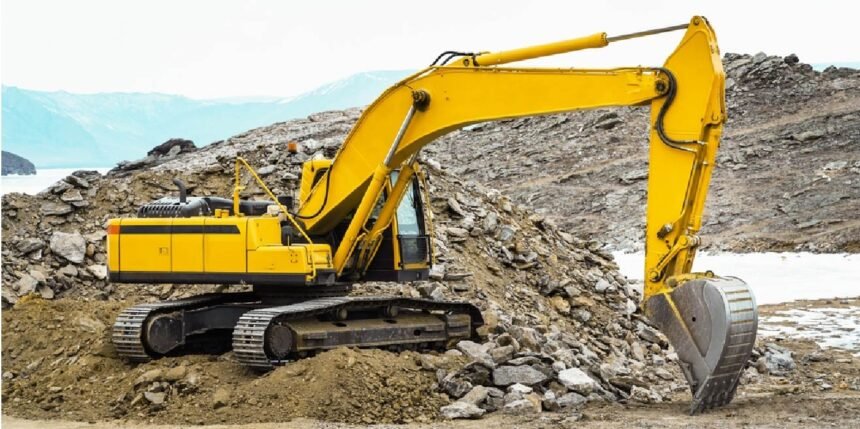
Excavation is one of the most essential steps in any construction or land development project. Whether it’s laying the foundation for a skyscraper or creating space for utility installations, excavation lays the groundwork—literally and figuratively—for everything that follows. The demand for professional excavation services has grown significantly over the years, thanks to increased urban development, infrastructure upgrades, and a greater focus on safety and precision in construction work.
In this article, we will explore the key functions of excavation, the different types of excavation projects, the technology involved, safety considerations, and why hiring specialized excavation services can make a significant difference in project success.
What Is Excavation?
Excavation refers to the process of removing earth, rock, or other materials from a site, typically to prepare it for construction. This includes digging trenches for utilities, creating foundations, grading land, and clearing debris. While it might sound straightforward, excavation is a complex operation that involves careful planning, the right equipment, skilled labor, and adherence to strict safety protocols.
The Primary Objectives of Excavation Include:
- Creating a stable base for building foundations
- Installing underground utilities such as pipes, cables, and drainage systems
- Landscaping or regrading land for better drainage and aesthetics
- Road construction and infrastructure development
- Mining or exploration activities
The scope of excavation work depends on the size, complexity, and goals of the project. For instance, digging out a foundation for a small residential home is vastly different from excavating a multi-level underground parking facility or preparing a site for a large commercial complex.
Types of Excavation
There are several types of excavation depending on the purpose, materials involved, and techniques required. Below are the most common types:
1. Topsoil Excavation
This involves removing the uppermost layer of soil, which typically contains vegetation, roots, and organic matter. It’s a preparatory step to create a clean surface for further excavation.
2. Earth Excavation
This process involves removing the soil layer beneath the topsoil to reach the subsoil. Earth excavation is common in roadwork and building foundations.
3. Rock Excavation
When hard rock or boulders are encountered, special techniques such as blasting, drilling, or using heavy machinery are required. Rock excavation is among the most challenging and costly forms of excavation.
4. Muck Excavation
Muck refers to a combination of soil and water, which creates unstable working conditions. Specialized techniques are used to either remove or stabilize the muck.
5. Trench Excavation
Used primarily for installing utility lines or pipelines, this involves digging long, narrow trenches. The depth and width vary depending on the utility being installed.
6. Footing Excavation
This type focuses on creating trenches or holes specifically for building footings, which are critical to supporting a structure’s load.
Each type of excavation has unique challenges and requires tailored solutions, which is where professional excavation services come into play.
Modern Tools and Equipment Used in Excavation
Over the years, excavation has evolved from basic manual digging to highly mechanized operations. Today, contractors use a wide range of equipment to ensure efficiency, precision, and safety.
Common Excavation Equipment:
- Backhoes: Versatile machines used for both digging and loading materials.
- Bulldozers: Ideal for clearing and leveling large areas.
- Excavators: Suitable for deep digging, trenching, and heavy lifting.
- Skid Steer Loaders: Compact and maneuverable for smaller sites.
- Dump Trucks: Used to transport excavated material away from the site.
- Trenchers: Specialized machines for digging trenches quickly and accurately.
These machines are often equipped with GPS and laser-guided systems to improve accuracy, minimize errors, and reduce waste.
The Importance of Site Assessment and Planning
Before excavation begins, thorough planning and site evaluation are essential. This ensures the work proceeds efficiently and safely.
Key Planning Steps Include:
- Soil Testing: Understanding soil composition to determine the right excavation techniques.
- Utility Mapping: Identifying existing utility lines to prevent damage.
- Environmental Considerations: Ensuring compliance with environmental regulations and minimizing impact on the surroundings.
- Slope and Drainage Planning: Preventing water accumulation and ensuring site stability.
Professional excavation services offer comprehensive site assessments to identify potential risks and develop customized excavation plans.
Safety Measures in Excavation Projects
Excavation work is inherently hazardous. Risks include cave-ins, equipment accidents, and underground utility strikes. Therefore, strict safety protocols are vital.
Common Safety Practices:
- Shoring and Shielding: To prevent trench collapses.
- Use of PPE: Workers must wear appropriate personal protective equipment.
- Site Supervision: Continuous monitoring by qualified personnel.
- Regular Equipment Checks: Ensuring machinery is in good working condition.
- Training and Certification: All crew members should be trained in excavation safety and equipment handling.
Reputable excavation services prioritize safety and comply with occupational safety regulations to minimize the risk of accidents.
Benefits of Hiring Professional Excavation Services
While it might be tempting to handle excavation in-house or through general contractors, hiring specialists comes with significant advantages:
1. Expertise and Experience
Excavation professionals bring years of experience, which means they can foresee challenges, avoid costly mistakes, and adapt to unexpected site conditions.
2. Time Efficiency
With access to the latest tools and technologies, excavation companies can complete tasks much faster than manual or outdated methods.
3. Cost Control
Professionals know how to avoid over-excavation, minimize fuel usage, and handle materials efficiently, leading to lower overall project costs.
4. Regulatory Compliance
Excavation companies stay up-to-date with local, state, and national regulations, reducing the risk of legal issues.
5. Access to Equipment
Professional excavation services have a full fleet of machinery and the trained operators needed to use them safely and effectively.
Environmental Considerations in Excavation
Today’s excavation projects are more environmentally conscious than ever. Unregulated excavation can lead to soil erosion, habitat destruction, and water pollution. That’s why many excavation services now incorporate sustainable practices such as:
- Erosion Control: Using silt fences, sediment basins, and vegetation to stabilize exposed soil.
- Waste Management: Recycling or responsibly disposing of excavated materials.
- Minimized Land Disturbance: Using precise excavation techniques to reduce the footprint.
Environmental sustainability is not just a regulatory requirement; it’s also part of being a responsible contractor.
Common Applications of Excavation
Beyond general construction, excavation plays a vital role in various industries and projects:
- Residential Development: Foundations, swimming pools, driveways
- Commercial Construction: Shopping centers, office buildings, parking lots
- Infrastructure Projects: Highways, railways, airports, bridges
- Agriculture: Irrigation systems, ponds, grading
- Utilities and Energy: Gas pipelines, electric lines, renewable energy installations
Each application comes with specific requirements, and only experienced excavation teams can deliver the precision and compliance needed.
Final Thoughts
Excavation is far more than just digging holes in the ground. It is a precise and foundational process that influences the success of an entire construction project. From site preparation and grading to trenching and foundation work, excavation demands skill, technology, and attention to detail.
Hiring specialized excavation services in Cross lanes ensures your project starts on solid ground—literally. With the right team, your construction timeline, budget, and safety standards will be in good hands, laying the groundwork for long-term structural integrity and project success.
As construction methods continue to evolve and environmental concerns grow, excavation will remain a cornerstone of modern development—redefined by innovation, expertise, and a commitment to excellence.