Industry Background
In Canada, controlled growing space is no longer relevant only to traditional farms. Warehouse operators, site managers, logistics teams, and industrial buyers are increasingly involved in projects that require protected plant production, seasonal propagation, landscape support, food program infrastructure, or site-based environmental demonstration work. In that context, a greenhouse kit with galvanized steel frame has practical value because it creates a more controlled growing environment while remaining more flexible than a permanent building. It can support planning for weather exposure, crop timing, material storage, and site organization in a country where short outdoor growing seasons and variable climate still shape operational decisions.
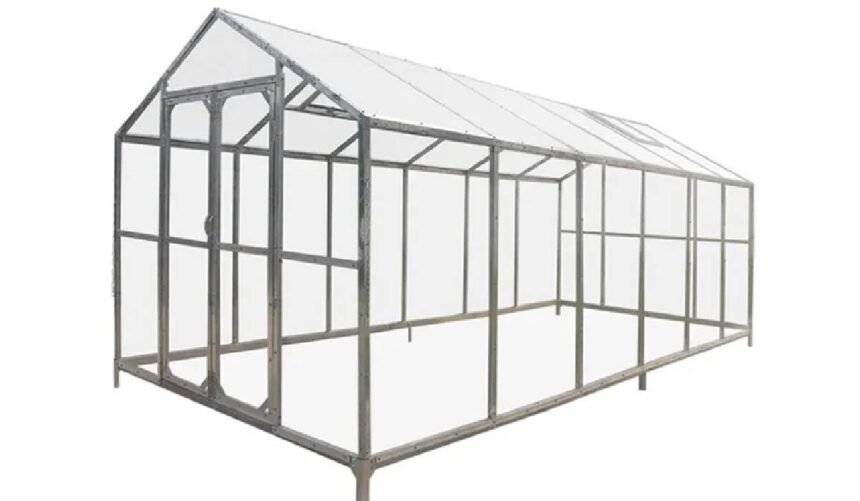
One example is the Greenhouse Kit with Galvanized Steel Frame, listed as an 8 foot by 20 foot structure with a galvanized steel frame, clear wall panels, a twin-wall polycarbonate roof, double swing doors, and roof vents. These features show why greenhouse kits in this category are relevant for small-scale controlled growing, seasonal extension, and protected propagation where space use, light entry, and weather resistance must be balanced carefully.
How This Type of Greenhouse Works
Basic operating principle
A greenhouse works by creating a managed enclosure around crops or plant material. Light enters through transparent or translucent panels, while the frame and enclosure reduce direct exposure to wind, precipitation, and temperature swings. In practical terms, this allows operators to begin planting earlier, extend harvest timing, and protect crops or nursery material from outdoor stress. Even a relatively compact greenhouse can support more predictable production than open ground when ventilation, watering, and internal layout are managed properly.
Common use cases
- Season extension for vegetables, herbs, and starter plants
- Protected propagation for landscape or grounds programs
- Support for institutional or community food projects
- Holding sensitive plants before outdoor transfer
- Demonstration growing for education or site development programs
Why Efficiency, Safety, and Productivity Matter
In any operational setting, a greenhouse must do more than provide shelter. It must also support labor efficiency, predictable workflow, and safe daily use. A well-planned greenhouse can reduce crop loss from weather exposure, improve scheduling, and make watering, inspection, and maintenance more organized. This matters in Canada because greenhouse production already represents a significant part of the national horticulture economy, and controlled environment agriculture continues to expand as operators look for more resilient production systems.
Safety is equally important. Greenhouses can expose workers to heat stress, high humidity, slippery surfaces, and manual handling risks. Ventilation, drainage, and internal housekeeping therefore matter as much as the structure itself. A greenhouse that improves production but creates unsafe working conditions does not deliver full operational value.
Technical Foundations and Capability Considerations
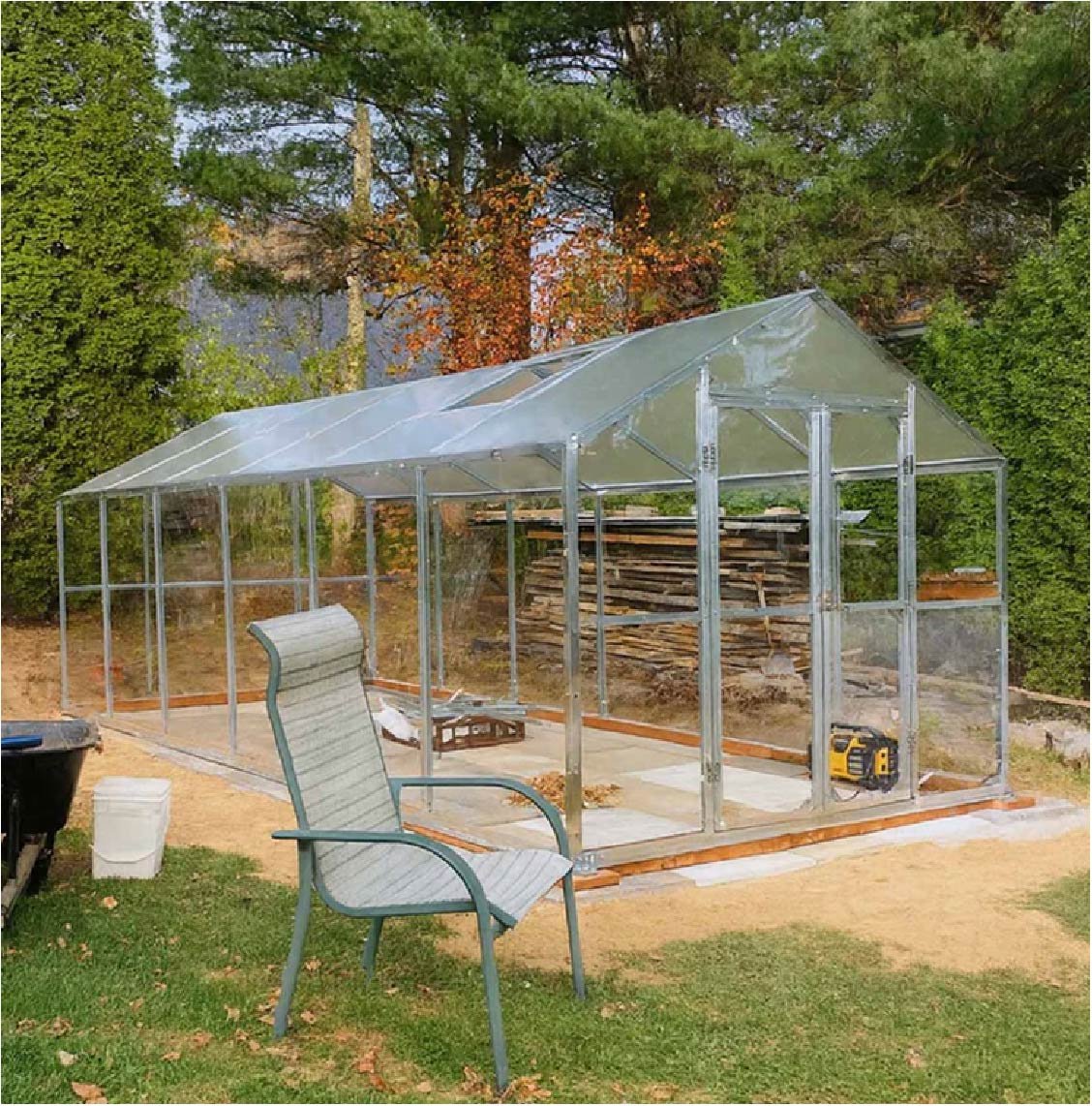
Before selecting a greenhouse kit with galvanized steel frame, buyers should review several technical factors:
- Footprint and usable growing area
- Frame strength and corrosion resistance
- Panel type, light transmission, and weather durability
- Door access for carts, trays, and supplies
- Ventilation method and air movement capacity
- Site drainage, anchoring, and snow management needs
These factors affect not only crop performance, but also service life, maintenance demands, and daily operating convenience. A galvanized steel frame can support durability in wet or variable conditions, while roof and wall panel choices influence heat retention, visibility, and structural behavior during different seasons.
What Affects Performance and Effective Use
Performance depends on more than the greenhouse structure alone. Site orientation, solar exposure, wind direction, ventilation practice, crop density, and watering control all influence results. In Canada, seasonal light variation and temperature swings can affect how useful a greenhouse remains across the year. Poor drainage around the foundation area can shorten service life, while weak internal airflow can increase heat buildup or plant disease pressure. Effective use therefore depends on combining the structure with sound operational planning.
Safety Best Practices
- Install the greenhouse on a level site with good drainage
- Anchor the frame correctly and inspect connections regularly
- Maintain clear walking paths and dry floor surfaces
- Use ventilation actively during warm conditions
- Monitor workers for heat stress during enclosed summer work
- Store tools, hoses, and chemicals in an organized way
- Inspect panels, doors, and vents after storms or heavy weather
Related Equipment, Advantages, and Limitations
Useful related items may include benches, irrigation lines, thermometers, shade systems, shelving, soil carts, and drainage matting. The main advantages of a greenhouse kit with galvanized steel frame are protected growing space, improved season control, and relatively efficient deployment. The limitations are also clear. It does not replace a fully automated controlled environment facility, and its effectiveness still depends on climate management, routine upkeep, and correct siting.
Real-World Example and Future Direction
A practical example is a Canadian warehouse property with a grounds program that needs to raise replacement plants and maintain seasonal vegetation stock for site landscaping. Instead of relying fully on outside deliveries, the operation installs a TMG Industrial greenhouse kit with galvanized steel frame to support early propagation and short-term protected growing. This can improve scheduling flexibility and reduce exposure to spring weather delays.
Looking ahead, greenhouse use in Canada is likely to keep moving toward more structured, efficient, and climate-aware operations. Buyers will continue to value systems that balance durability, manageable scale, ventilation, and straightforward maintenance. For many organizations, the strongest long-term value will come from selecting greenhouse structures that fit the site, support safe work, and integrate well with real operating needs rather than idealized growing assumptions.