



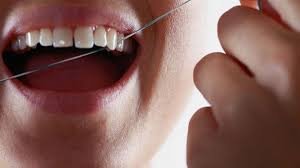
Good oral health is very important and should be maintained by brushing and flossing every day. However, there are numerous individuals who are frustrated and confused by continuing to see cavities even after developing routine oral hygiene practices.
When you are doing all the right things, but still your teeth are getting decayed, then there are usually other underlying reasons for it.
Knowing why cavities continue to appear and how to address the causes of the problem can assist you in preserving your teeth better and prevent numerous attempts to treat dental problems.
Why Persistent Cavities Are So Concerning?
Cavities are not simple problems of the mouth; they indicate that the tooth enamel is decaying because of acid that is generated by mouth bacteria. Developing the cavities repeatedly will imply that the brushing and flossing will not be sufficient to manage the problem at hand.
Most patients think that the cavities come about due to bad hygiene. In fact, there are various factors that may affect tooth decay, such as oral anatomy, lifestyle practices, and biological predisposition. Cavities may still take place, even with the best of day-to-day care, without the identification of these contributing issues.
Popular Causes of Cavities with Good Oral Health
- Plaque Accumulation in Inaccessible Toilet Areas
Brushing and flossing could help, it might not be able to clean plaque all the time. Bacteria can be harboured in crevices like deep grooves on molars, interstitial teeth or below the gumline. This plaque eventually hardens into tartar that is not easily removed by simple brushing and has to be cleaned by the professionals.
- Eating Healthy and Sneaky Sugars
Constant intake of sweet or sour food and beverages is a leading factor in the creation of cavities. Fruits and fruit juices, flavored yogurts or energy bars, even those that may seem to be healthy, can also have a high sugar content.
Bacteria turn sugar into acid which corrodes enamel when the sugar is left on the teeth. Eating often throughout the day also provides bacteria with more time to generate detrimental acids.
- Weakness of Enamel and Genetics
Others are genetically weak in the enamel. Less mineralised or thin enamel is more susceptible to acid attacks, which increases the likelihood of a cavity despite proper brushing habits. Saliva is also a factor that can be affected by genetics, with acid-neutralising and food-cleaning purposes.
- Dry Mouth (Lessening Saliva Flow)
Saliva is important in maintaining the mouth. It helps to neutralise the acid, repair the first damage to enamel and get rid of bacteria. Cavities may predispose people to some medicines, health problems or dehydration, which can slow down saliva production.
- Prior Dental Therapy and Micro-Leakage
Available fillings or dental prostheses may wear out over time. The tooth and the restoration can have small holes in between which bacteria can penetrate and cause decay under the surface. These pockets usually remain unknown until they develop into more serious ones.
The Significance of the Professional Dental Examination
In case of the persistence of cavities, one should consider more than at-home care. To have your oral health carefully examined, you should schedule a visit to a dental specialist near me regularly. A dentist will be able to detect the initial signs of corrosion, evaluate the strength of the enamel, and identify the diseases that are not yet visible or painful.
Professional cleanings will take away the tartar deposits which cannot be taken care of by brushing. Preventative measures may also be prescribed by dentists e.g. fluoride or dental sealants to cover the susceptible surfaces of the teeth. The measures prove particularly useful when patients are prone to cavities.
How Do Tooth Fillings Help Restore and Protect Teeth?
In the case of the cavities, they should be treated on time. A tooth filling will replace the lost part of the tooth to ensure the tooth does not decay further. Modern filling materials are made durable, useful, and natural-like, which enables the tooth to regain its strength and appearance.
Neglecting cavities will result in greater issues of infections, root canal treatment or even the loss of teeth. To save your natural teeth and oral health in the long term, it is better to perform early intervention using proper fillings.
Conclusion
Having cavities even after brushing and flossing regularly is frustrating, but it does not imply that you are wasting your time. It only means that other factors should be taken into account.
You can stop the cycle of recurring cavities by determining the root causes, consulting a reliable dental specialist near me and having existing cavities treated using timely tooth-filling measures.
Treating the cause, not only the symptoms, will keep your smile safe and your oral health healthy and help you feel more confident in your dental care routine.