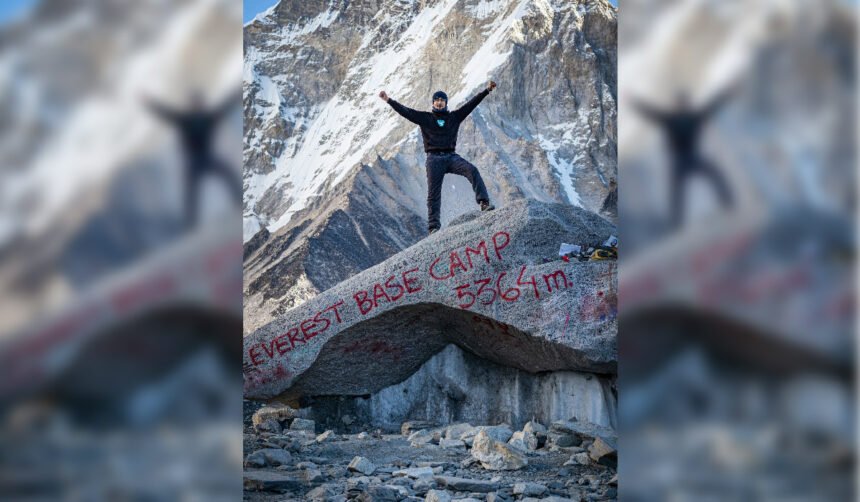
Ever dreamed of standing beneath the world’s tallest peak, surrounded by towering mountains and prayer flags fluttering in the wind? The Everest Base Camp trek is a bucket-list adventure for many, but one question always lingers: How hard is the Everest Base Camp trek, really?
This matters because the idea of trekking to Everest Base Camp often sparks both excitement and anxiety. You might wonder if you’re fit enough, how high the altitude feels, or whether the trail is safe. These are real concerns, especially for those with limited hiking experience or a tight travel schedule.
The problem is, much of the information out there is either too vague or overly dramatic. Some say it’s a walk in the park; others make it sound like a climb to the moon. This post breaks it down clearly, what makes the trek challenging, what’s manageable, and how to prepare so you can enjoy the journey with confidence.
By the end, you’ll have a realistic understanding of the physical demands, mental challenges, and logistical details of the Everest Base Camp trek. Whether you’re planning your first high-altitude hike or just curious if you could handle it, this guide will help you decide if this iconic adventure is right for you.
How Difficult Is the Everest Base Camp Trek for the Average Hiker?
What Is the Everest Base Camp Trek Like?
The Everest Base Camp (EBC) trek is one of the most iconic treks in the world, but how hard is it really? The trail stretches approximately 130 km (round trip) and typically takes 12 to 14 days to complete. Most days involve 5 to 7 hours of trekking, covering varied terrain that includes steep ascents, rocky paths, and suspension bridges over deep river gorges.
Starting from Lukla at 2,860 meters (9,383 ft), the trek gradually ascends to Everest Base Camp at 5,364 meters (17,598 ft). Along the way, trekkers pass through Sherpa villages like Namche Bazaar, Tengboche, and Dingboche. The route is well-marked and non-technical, meaning no ropes or climbing gear are needed. However, the high altitude and sustained effort make it more challenging than the average hike.
Expect to encounter rugged trails, uneven stone steps, and occasional icy patches depending on the season. The elevation gain is significant, and the oxygen level at base camp is roughly 50% of what it is at sea level. While the trail itself isn’t technically difficult, the altitude and duration make it a physically demanding experience.
What Fitness Level Do You Need for Everest Base Camp?
You don’t need to be an elite athlete, but a good base level of cardiovascular fitness is important. Trekkers should be comfortable walking 5 to 7 hours a day with a light daypack. Training beforehand with long hikes, stair climbing, or cardio workouts like cycling or running can make a big difference.
Strengthening your legs, core, and lungs is key. Aim to start training at least 8–12 weeks before your trek. Include hikes with elevation gain and practice walking with a weighted backpack.
Prior trekking experience is helpful but not mandatory. Many first-time trekkers complete the EBC route successfully with proper preparation and pacing. The key is consistency in training and mental readiness for long days on the trail.
If you’re unsure about your fitness level, consider doing a shorter high-altitude trek first, such as the Annapurna Base Camp trek. This can help you gauge your endurance and acclimatization ability. With the right mindset and preparation, the EBC trek is achievable for most people in good health.
Everest Base Camp Trek Altitude: How Much Does It Affect Difficulty?
What Is the Highest Altitude on the Everest Base Camp Trek?
One of the most significant challenges of the Everest Base Camp trek is the high altitude. The trek starts in Lukla at 2,860 meters (9,383 ft) and ascends steadily to Everest Base Camp at 5,364 meters (17,598 ft). The highest sleeping point on the trek is Gorak Shep, at 5,164 meters (16,942 ft), just before reaching base camp.
Key altitude milestones include:
- Namche Bazaar: 3,440 meters (11,286 ft)
- Tengboche: 3,867 meters (12,687 ft)
- Dingboche: 4,410 meters (14,468 ft)
- Lobuche: 4,940 meters (16,207 ft)
- Gorak Shep: 5,164 meters (16,942 ft)
- Everest Base Camp: 5,364 meters (17,598 ft)
- Optional climb to Kala Patthar: 5,545 meters (18,192 ft)
As you ascend, the air gets thinner, and your body must adapt to lower oxygen levels. This is why acclimatization is critical to a successful and safe trek.
How Does High Altitude Impact Your Trek?
High altitude is the single biggest factor that increases the difficulty of the Everest Base Camp trek. As you go higher, oxygen levels drop, which can lead to altitude sickness, also known as Acute Mountain Sickness (AMS). Common symptoms include headaches, nausea, dizziness, and fatigue.
To mitigate the risk, most itineraries include at least two acclimatization days, typically in Namche Bazaar and Dingboche. These rest days allow your body to adjust to the altitude while still staying active with short hikes.
Proper acclimatization strategies include:
- Ascend slowly—no more than 500 meters (1,640 ft) in sleeping elevation per day after 3,000 meters
- Stay hydrated—aim for 3–4 liters of water per day
- Avoid alcohol and sleeping pills
- Listen to your body and don’t push through symptoms
Disclaimer: Always consult with a healthcare provider before taking altitude-related medications like Diamox.
If symptoms worsen, descending is the only effective treatment. Altitude can turn an otherwise moderate trek into a serious physical challenge. However, with a well-paced itinerary and awareness, most healthy individuals can manage these effects safely.
Weather and Season: How Trekking Conditions Affect Difficulty
When Is the Best Time to Do the Everest Base Camp Trek?
Choosing the right season is crucial when planning your Everest Base Camp trek. The two most popular trekking seasons are spring (March to May) and autumn (late September to November). These months offer the best weather, clearer skies, and stable trail conditions.
Spring brings blooming rhododendrons and warmer temperatures, while autumn offers crisp air and excellent mountain views. Both seasons are ideal for minimizing weather-related difficulties.
Winter (December to February) is much colder, with temperatures dropping well below freezing at night. Snow and ice can make trails slippery and increase the risk of frostbite. However, winter also means fewer crowds and a more serene experience.
Monsoon season (June to early September) is the least favorable time. Heavy rain, leeches, and landslides can make trekking dangerous and unpleasant. Flights to and from Lukla are also frequently delayed due to poor visibility.
When planning your travel logistics, understanding international mobility can also help. For instance, if your trek is part of a wider trip through Asia, you might find resources like International Rentals helpful for organizing your journey beyond Nepal.
Here’s a quick comparison:
- Spring: Mild weather, blooming flora, moderate crowds
- Autumn: Clear skies, great visibility, peak season
- Winter: Cold, quiet trails, risk of snow-related delays
- Monsoon: Wet, muddy, poor visibility, high risk of flight cancellations
Choosing the right season can significantly reduce the physical and mental strain of the trek.
How Does Weather Impact the Everest Base Camp Trail?
Weather plays a major role in the difficulty of the EBC trek. Cold temperatures, snow, and rain can turn an otherwise manageable trail into a slippery, exhausting challenge. In winter, temperatures at night can drop to -20°C (-4°F) or lower at higher altitudes. Wind chill can make it feel even colder.
Rainfall during the monsoon can make trails muddy and treacherous. Cloud cover also obscures views, which can be demotivating. In contrast, dry and clear weather in spring and autumn makes trekking more enjoyable and safer.
Proper gear is essential. Layering is key—base layers, insulating mid-layers, and a waterproof outer shell. Good-quality boots with ankle support and grip are non-negotiable. Don’t forget gloves, a warm hat, and UV-protective sunglasses.
Weather can change rapidly in the Himalayas. Always be prepared for sudden shifts, even during the best seasons. Check forecasts and follow local advice. Being equipped for the elements can make or break your experience.
Is the Everest Base Camp Trek Hard Mentally as Well as Physically?
While physical endurance is crucial, the mental aspect of the Everest Base Camp trek is equally important. Days are long, and the environment is remote. You’ll be away from modern comforts, no hot showers for days, limited Wi-Fi, and basic food options.
Fatigue accumulates as you go higher. Sleep can be disrupted by altitude, cold, or noisy tea houses. You may feel isolated, especially if trekking solo. The repetitive routine, wake, walk, eat, sleep, can wear on even the most enthusiastic adventurer.
To cope, focus on small goals. Break each day into segments. Celebrate milestones like reaching a new village or finishing a tough climb. Carry comfort items, your favorite snacks, a good book, or a playlist, to lift your spirits when energy dips.
Recognizing that mental fatigue is normal helps you manage it better. Stay positive, and remember why you started.
Staying Motivated During Long Trekking Days
Motivation can wane during the EBC trek, especially on tough days like the ascent to Namche Bazaar or the final push to base camp. Mental preparation is just as important as physical training.
Before your trek, set realistic expectations. Know it will be tough, but also incredibly rewarding. Visualize success and remind yourself of the achievement awaiting you.
Trekking in a group can help. Shared experiences, encouragement, and camaraderie can make a big difference. If you’re solo, consider joining a guided group for support.
Other tips to stay motivated:
- Keep a journal to track progress
- Take photos of your journey
- Talk to fellow trekkers and locals
- Reflect on the beauty around you, it’s a once-in-a-lifetime experience
Mental resilience, like physical strength, can be trained. With the right mindset, you’ll find the Everest Base Camp trek not only doable but transformative.
Can Beginners Do the Everest Base Camp Trek?
What Makes the Trek Manageable for First-Timers?
Despite its reputation, the Everest Base Camp trek is not a technical climb, which makes it more accessible for beginners. There’s no need for ropes, crampons, or climbing experience. The key to success is a slow pace, proper acclimatization, and mental perseverance.
Itineraries are designed to help first-timers adapt to the altitude gradually. Tea house infrastructure provides regular rest stops and meals. With adequate preparation, many people complete the trek on their first big hiking adventure.
Conclusion
Trekking to Everest Base Camp is challenging, but achievable with preparation, determination, and the right mindset. The altitude, long days, and basic conditions test both body and spirit, yet thousands of trekkers succeed every year, many with no prior high-altitude experience.
The key is to train well, pace yourself, and respect the mountain. With proper gear, acclimatization, and guidance, the journey becomes less about hardship and more about discovery, of Nepal, the Himalayas, and yourself.
If you’ve been dreaming of standing beneath Everest’s towering peak, don’t let fear hold you back. Start training, do your research, and take the first step.