



Four Magazine
Search
  • Home
  • Entertainment
  • Technology
  • Life Style
  • Fashion
  • Business
  • Contact Us
Reading: 4 Different Methods of Producing Essential Oils
Share
Aa
Four MagazineFour Magazine
  • Home
  • Entertainment
  • Technology
  • Life Style
  • Fashion
  • Business
  • Contact Us
Search
  • Home
  • Entertainment
  • Technology
  • Life Style
  • Fashion
  • Business
  • Contact Us
Follow US
Made by ThemeRuby using the Foxiz theme. Powered by WordPress
Four Magazine > Blog > Life Style > 4 Different Methods of Producing Essential Oils
Life Style

4 Different Methods of Producing Essential Oils

By iQnewswire November 17, 2025 4 Min Read
Share

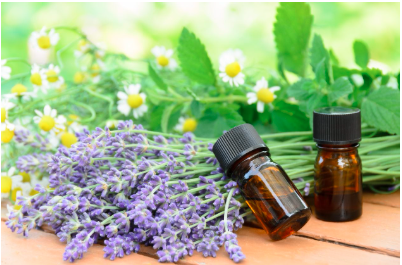
Essential oils are now widely used in skincare, aromatherapy, natural health, and even the creation of wellness products. But have you ever pondered the true process of creating these potent, fragrant extracts? Essential oil production is both an art and a science, and different plants need different extraction methods to maintain their active ingredients and inherent scent. The four most popular processes for making essential oils are listed below; each has advantages, best uses, and a unique procedure.

Contents
1. Steam Distillation2. Cold Press Extraction3. Solvent Extraction4. Supercritical CO₂ ExtractionConclusion

Also Read: Standardized Botanical Extracts

1. Steam Distillation

The most widely used and conventional technique for obtaining essential oils is steam distillation. Steam helps release the volatile aromatic chemicals as it moves through the plant material, including the leaves, flowers, stems, and roots. After entering a cooling system, the steam and oil vapors condense and split into water and essential oil. The ability of steam distillation to maintain the therapeutic properties and inherent scent of plants without the use of chemicals is what makes it so popular. For botanicals like lavender, eucalyptus, rosemary, peppermint, and many other herbs used in aromatherapy, it is the perfect technique.

Also Read: Fruit Powders

2. Cold Press Extraction

Citrus fruits including lemon, orange, lime, grapefruit, and bergamot are the primary products of cold press extraction, also known as expression. To release the little oil sacs in the rind, the fruit is outer peel is mechanically squeezed or grated rather than heated. Pure essential oil is then extracted from the resultant combination. Because it maintains the smell lively, fresh, and true to the fruit is inherent scent, this technique is highly prized. Cold-pressed citrus oils find extensive use in aromatherapy mixes, food-grade flavoring, cosmetics, and fragrances.

3. Solvent Extraction

Certain delicate botanicals and flowers, such as lotus, rose, tuberose, and jasmine, are too delicate for heat-based techniques. Solvent extraction is useful in this situation. The plant material’s waxes, pigments, and aromatic components are dissolved using a mild, food-grade solvent (such hexane). As a result, “concrete” is produced, which is further treated with alcohol to extract and gather the aromatic chemicals. An “absolute,” a highly concentrated and opulent kind of essential oil frequently used in upscale perfumery, is the ultimate result. Despite its effectiveness, this approach is less suited for therapeutic aromatherapy because it may leave behind minute traces of solvent.

4. Supercritical CO₂ Extraction

The most cutting-edge and contemporary technique for creating essential oils is supercritical CO₂ extraction. This method creates a “supercritical” state in which carbon dioxide behaves like both a liquid and a gas by subjecting it to high pressure and low temperature. Without harming fragile molecules, this supercritical CO₂ removes vital substances from the plant material in a safe and clean manner. The CO₂ just evaporates when the pressure is removed, leaving behind a strong, pure oil. Compared to conventional techniques, this method yields extracts with more active ingredients, a richer scent, and higher purity. It is particularly well-liked for use in nutraceutical and medicinal-grade oils.

Conclusion

Every technique is fundamental to the production of the essential oils we use today, whether it is the delicate process of steam distillation, the freshness maintained by cold pressing, the ingenuity of solvent extraction, or the contemporary accuracy of CO₂ extraction. You can select oils that best fit your needs, whether they are for skincare, health, perfumery, or regular aromatherapy routines, by being aware of these four extraction techniques.


 

TAGGED: Producing Essential Oils

Sign Up For Daily Newsletter

Be keep up! Get the latest breaking news delivered straight to your inbox.
[mc4wp_form]
By signing up, you agree to our Terms of Use and acknowledge the data practices in our Privacy Policy. You may unsubscribe at any time.
Share This Article
Facebook Twitter Email Copy Link Print
Leave a comment Leave a comment

Leave a Reply Cancel reply

Your email address will not be published. Required fields are marked *

SUBSCRIBE NOW

Subscribe to our newsletter to get our newest articles instantly!

[mc4wp_form]

HOT NEWS

Top 5 Private GP Clinics in the UK

In the United Kingdom, a certain standard of quality is anticipated in all health services…

October 16, 2026

Internet Governance and Network Continuity: Who Should Shape the Future of the Internet?

The internet has become so deeply embedded in everyday life that most people rarely consider…

October 16, 2026

Is It Safe to Sleep on a Smart Bed All Night? Low-Voltage Design vs Mains Voltage

Sleeping on a smart bed all night comes down to electrical safety by design: low-voltage…

October 15, 2026

Recent Post

  • Internet Governance and Network Continuity: Who Should Shape the Future of the Internet?
  • Is It Safe to Sleep on a Smart Bed All Night? Low-Voltage Design vs Mains Voltage
  • Tirzepatide in the UK: What Researchers Need to Know in 2026
  • Why Practical Risk Management Belongs in Every London Business Plan
  • Innovata.net reviews Introduces Purpose-Built Digital Platforms for Modern Teams

YOU MAY ALSO LIKE

Why I Ordered the Same Latex Dress Twice in Different Colours

I don’t usually buy the same thing twice. I’m the person who owns one black dress, wears it until it…

Life Style
September 22, 2026

Buying Your First Silver Bracelet: How to Choose One You’ll Actually Wear

Choose for Your Normal Week, Not One Great Outfit You find a silver bracelet you like, picture it on your…

Life Style
September 19, 2026

Why Employers May Need Employment Contract Solicitors

 Choosing the right employment contract solicitors can help employers create clear, practical and legally appropriate contracts for their workforce. An…

Life Style
September 17, 2026

7 Watch Winder Mistakes That Are Quietly Damaging Your Automatic Watches

A watch winder looks like a simple gadget: a motor, a cushion, a timer. Plug it in, drop your watch…

Life Style
September 17, 2026

Welcome to Four Magazine your ultimate online destination for the latest news, trends, and insights across a wide range of topics. Whether you’re looking to stay updated on business developments, explore tech innovations, catch up on fashion trends, or improve your lifestyle, we’ve got you covered.

Contact us At: contact.fourmagazine.co.uk@gmail.com

  • Home
  • Entertainment
  • Technology
  • Life Style
  • Fashion
  • Business
  • Contact Us
  • Home
  • Disclaimer
  • Privacy & Policy
  • About Us
  • Contact Us

Follow US: 

© 2025 Four magazine All Rights Reserved

Welcome Back!

Sign in to your account

Lost your password?