



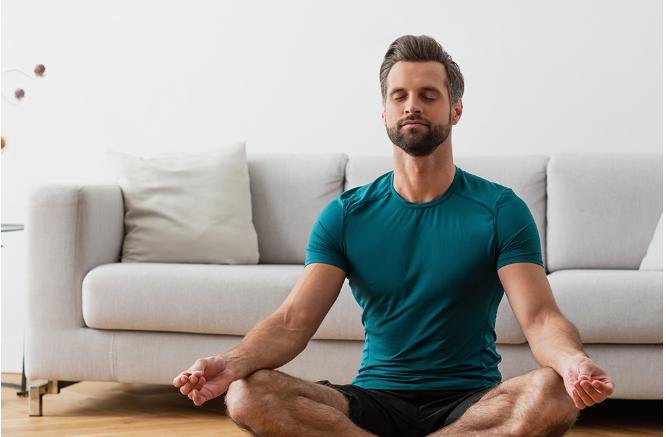
If you walk into a typical gym or studio today, you might see yoga advertised as a way to sculpt abs, burn calories, or sweat out toxins. While those goals work for some, they often miss the profound healing potential yoga holds for our internal wiring. For many of us living with high anxiety, burnout, or dissociation, the mat isn’t a place to push harder. It is a place to land.
Yoga offers a powerful way to regulate the nervous system, shifting us out of survival mode and into a state of safety. But not all yoga is created equal. When your nervous system is already frayed, jumping into a rigorous, fast-paced class might actually make things worse. This guide explores which styles of yoga truly support relaxation and regulation, helping you find a practice that feels like a refuge, not a workout.
How Yoga Affects the Nervous System
Our nervous system operates like a master control center. It constantly scans the environment for danger. When we feel stressed or threatened, the sympathetic nervous system kicks in—often called the “fight or flight” response. Your heart rate speeds up, your breath gets shallow, and your muscles tense.
Conversely, the parasympathetic nervous system is our “rest and digest” mode. This is where healing, digestion, and deep sleep happen. Yoga, specifically slower and more mindful styles, acts as a manual switch for this system.
Through controlled breathing, deliberate movement, and sustained attention, yoga stimulates the vagus nerve. This critical nerve runs from the brainstem down to the abdomen and acts as a brake pedal for stress. When you lengthen your exhale or hold a gentle stretch, you send a direct signal to your brain: I am safe. I can relax. This biological feedback loop is why a gentle practice can leave you feeling clearer and calmer than a nap.
Why Fast-Paced Yoga Can Worsen Burnout
It seems counterintuitive. Exercise is supposed to reduce stress, right? However, for a body already running on adrenaline fumes, high-intensity yoga can be too much of a good thing.
Styles like Vinyasa flow, Power Yoga, or Ashtanga often emphasize heat, speed, and cardiovascular challenge. These practices mimic the sympathetic nervous system’s activation. If you are currently experiencing burnout or chronic anxiety, your “stress bucket” is likely full. Adding a physically demanding practice pours more water into that overflowing bucket.
Instead of feeling energized, you might leave a fast-paced class feeling depleted, irritable, or “wired but tired.” Your body interprets the intense exertion as just another form of stress it has to manage. To heal burnout, we need to prioritize practices that resource us—adding energy back into the tank rather than spending it.
Yin Yoga Explained
If you need to practice stillness but find meditation difficult, Yin Yoga might be the perfect entry point. Unlike more active styles that target the muscles, Yin targets the deep connective tissues—the fascia, ligaments, and joints.
In a Yin class, you hold poses for longer periods, typically three to five minutes. These poses are usually done on the floor, using props like bolsters and blocks to support your body so you don’t have to use muscular effort to stay upright.
This style is excellent for nervous system regulation because it forces us to slow down. The long holds provide time to notice what is happening internally. We learn to sit with discomfort without reacting, a skill that translates directly to managing anxiety off the mat.
While it is physically passive, Yin can be mentally intense. As the body becomes still, the mind often gets louder. However, this offers a safe container to practice witnessing your thoughts without getting swept away by them.
Learn more about the specific benefits of Yin Yoga here.
Restorative Yoga Explained
While Yin Yoga focuses on stretching deep tissues, Restorative Yoga is purely about relaxation. It is arguably the most gentle style available and acts as a radical antidote to stress.
In Restorative Yoga, the goal is effortless comfort. You use an abundance of props—blankets, bolsters, eye pillows, blocks—to support the body in every pose so that your muscles can completely let go. You might only do four or five poses in an entire hour-long session.
The magic of Restorative Yoga lies in the “relaxation response.” By creating an environment of total physical support, the nervous system gets the green light to drop deep into parasympathetic mode. It is common for heart rates to drop significantly and for digestion to gurgle and activate as the body shifts gears.
For those dealing with severe burnout or exhaustion, Restorative Yoga is often the safest and most effective choice. It asks nothing of you other than to lie down and receive support.
Hatha Yoga Explained
Hatha is a broad term that technically encompasses almost all physical yoga, but in modern studios, it usually refers to a specific pacing. A Hatha class typically involves moving through poses at a moderate, manageable pace, often holding each posture for several breaths.
Unlike a flow class, where you move one breath per movement, Hatha gives you time to land in the pose. You have space to adjust your footing, check in with your breath, and notice how you feel.
This style is excellent for nervous system regulation because it bridges the gap between movement and stillness. It offers enough physical engagement to help discharge restless energy (anxiety) but remains slow enough to keep the nervous system from becoming overstimulated. It teaches us to find stability and ease simultaneously.
The Trauma-Informed Yoga Approach
Trauma-informed yoga isn’t a specific “style” like Hatha or Yin; it is a lens through which any yoga can be taught. It acknowledges that many people carry trauma in their bodies and that traditional yoga cues can sometimes be triggering.
A trauma-informed approach prioritizes:
- Choice: The teacher offers invitations rather than commands (e.g., “If you like, you can close your eyes,” rather than “Close your eyes now”).
- Safety: The environment is predictable and non-judgmental.
- Interoception: The focus is on how the pose feels inside, not how it looks from the outside.
- Agency: You are always in charge of your own body. You can skip poses, leave the room, or change the shape at any time.
For anyone navigating PTSD or deep emotional overwhelm, seeking out a trauma-informed teacher or class can make the difference between a practice that heals and one that harms.
Choosing Yoga: Anxiety vs. Dissociation
Our nervous system dysregulation often shows up in two main ways: hyper-arousal (anxiety, panic, racing thoughts) or hypo-arousal (numbness, dissociation, checking out). Depending on where you are, you might need different tools.
When you feel Anxious (Hyper-arousal):
You have too much energy trapped in the system. Trying to lie perfectly still in Restorative yoga might feel impossible or even panic-inducing.
- Best approach: Try a slow Hatha class or a gentle flow first to burn off some of that excess adrenaline. Once the “jitters” have settled, you can transition into slower holds. Grounding practices are essential here to bring your energy down into the earth. Try these Grounding Exercises to help settle anxiety.
When you feel Dissociated (Hypo-arousal):
You feel floaty, numb, or disconnected from your physical body. You need to gently wake up your senses.
- Best approach: Yin Yoga or slow, mindful movement where you focus intently on sensation. Squeezing muscles and releasing them, or noticing the texture of the mat under your hands, can help you come back into your body safely.
Signs a Practice Feels Safe vs. Activating
Learning to read your body’s signals is the most advanced yoga practice of all. How do you know if a class is helping or hurting?
Signs of Safety and Regulation:
- Your breath becomes deeper and smoother naturally.
- Your jaw unclenches, and your shoulders drop away from your ears.
- You feel a sense of settling or “arriving” in the room.
- You feel capable of handling the sensations arising in your body.
Signs of Activation or Overwhelm:
- Your breath becomes short, shallow, or you find yourself holding it.
- You feel a sudden urge to leave the room.
- You feel irritated, angry, or tearful without a clear cause.
- You start dissociating (zoning out, losing track of time, not feeling your limbs).
If you notice signs of activation, know that you can stop. You can move into a child’s pose, sit comfortably, or simply leave. Protecting your peace is more important than finishing the class.
Gentle Beginner Tips
Starting a yoga practice when you are already overwhelmed can feel daunting. Here are a few tips to make it easier:
- Start at home: There are thousands of free videos online. You can try a 10-minute session in your pajamas where no one can see you. This removes the social anxiety of a studio setting.
- Use props liberally: If you can’t touch your toes, bend your knees. If sitting on the floor hurts your back, sit on a cushion. Props are not “cheating”; they are tools to help your nervous system relax.
- Consistency over intensity: Five minutes of mindful breathing every day does more for your nervous system than one intense 90-minute class once a month.
- Listen to “No”: If a teacher suggests a pose that makes your body scream “no,” listen to your body. You are the expert on your own experience.
Conclusion
Yoga is vast. It is not just handstands and pretzel shapes. At its heart, it is a technology for self-regulation. By choosing styles like Yin, Restorative, or gentle Hatha, you are using this ancient tool to signal safety to a modern, stressed-out nervous system.
The most important alignment cue isn’t where your foot goes, but how you treat yourself while you are on the mat. Cultivating safety, honoring your choices, and developing body awareness allows you to reclaim your body as a safe home. Whether you move for five minutes or an hour, remember that the goal isn’t to be good at yoga. The goal is to feel good in your own skin.