



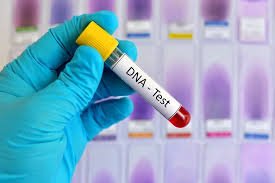
The domestic DNA testing industry has expanded its services beyond ancestry testing to include other applications. This industry now connects with both mainstream healthcare services and personal wellness solutions. Market transformations are occurring because of technological advancements. New consumer requirements are driving the current changes in the market. The future promises a more developed and individualized understanding of our biological systems.
This article explores how DNA testing is moving beyond curiosity and ancestry. It highlights the ways new technology and science are reshaping health and wellness. It also shows how evolving consumer needs are changing daily life.
1. Shift from Ancestry to Preventive Health
Consumer interest began with curiosity about heritage. Services like MyHeritage DNA helped make ancestry testing popular. While it remains widely used, the industry is shifting toward health-related insights. New tests focus on future planning, showing innovative ways to use genetic information.
Preventive Care
Future kits will analyze genetic markers for disease risk. The goal is to identify predispositions for conditions like cancer or heart disease. This empowers individuals to act early. They can work with doctors on tailored lifestyle changes and monitoring. The model moves from reaction to prevention.
Pharmacogenomics
This field investigates the relationship between genetic factors and medication response. Future tests will provide clearer reports on medication efficacy. Such efficiency would enable doctors to select safe medications because it identifies drugs that will not work for their patients. The approach results in treatment strategies that produce better results and fewer adverse reactions.
Nutrigenomics and Wellness
The wellness field will experience additional development through genetic research. Nutrient testing will enable dietary recommendations based on individual bodily processing of nutrients. The most valuable services will combine genetic data with other metrics. This integrated approach offers comprehensive daily health guidance based on scientific evidence.
2. Technologies Shaping Domestic DNA Testing
The value of home DNA testing depends on technological progress. Advances are making tests more powerful and user-friendly. These improvements will drive deeper integration into daily health management.
Whole Genome Sequencing
Most consumer tests currently use SNP microarrays that read only a small portion of DNA. Whole genome sequencing analyzes over ninety-nine percent of an individual’s genetic code. As costs continue to fall, it is expected to become a mainstream consumer option. This shift will establish WGS as the new industry benchmark.
The resulting data set provides a lifelong resource for consumers. It offers a far more complete picture of health risks, ancestry, and traits. The information can also be reinterpreted as science advances, without requiring another physical test.
AI and Machine Learning
The data from WGS is immensely complex. Artificial intelligence is key to finding patterns within this information. These tools cross-reference genetics with medical databases. They transform raw code into understandable, actionable health reports for users and clinicians.
Rapid Results and Non-Invasive DNA Testing
The user experience of DNA testing will evolve beyond mailing saliva and waiting weeks for results. Faster kits and integrated home lab devices may deliver preliminary findings within hours.
Less invasive methods are also being explored. These include breath tests, instant cheek swabs, and skin sensors that analyze genetic material from sweat. Such innovations could further lower barriers to participation.
3. Healthcare Ecosystem Integration
Genetic insights need to connect to clinical care. The future requires seamless links between test results, digital platforms, and medical professionals. This integration turns data into responsible action.
Telemedicine Connectivity
Platforms will likely offer direct access to genetic counselors and doctors. Users could discuss results immediately via virtual consultation. This ensures expert guidance and helps plan next steps. It makes genetic information a practical part of healthcare.
Longitudinal Tracking
The current model operates as a single transaction service but will transition to an ongoing service model. Subscription frameworks will re-analyze data against new scientific research findings. Users will receive new risk profiles when research progresses. The system develops into a health application, which increases its worth through its continuous development.
4. Regulatory and Ethical Evolution in Genetic Testing
As the stakes of testing rise from ancestry to health. The public and regulatory bodies now demand increased oversight of testing procedures. The industry requires strong operational systems that will protect its future business operations. The regulators need to establish protocols that guarantee correct results while protecting user information and using sensitive data in an ethical manner. The ability to control this environment equals the value of any scientific breakthrough.
Data Privacy Focus
The sensitivity of genetic information exceeds any other type of data. Future solutions will need advanced security, like strong encryption. Users will demand clear control over their information, including the right to delete it. Companies that prioritize privacy will build essential trust in the market.
More Stringent Regulatory Oversight
Regulators are examining the health claims that testing companies make. The new regulations will demand companies prove their disease risk assessments through clinical testing. The regulations will prevent consumers from being misled by false information. The guidelines require health outcomes to be supported by reliable evidence.
Informed Consent
Organizations should create clear rules about data sharing. Users should understand how their data might be used in research, such as in certain corporate partnerships, and be able to choose. Public trust requires organizations to establish straightforward consent methods that their customers must understand.
5. Potential Challenges of Domestic DNA Tests
The future shows potential but also encounters major challenges. The industry needs to respond to changing market conditions and its users’ strong worries about data security.
Market Saturation and Skepticism
The initial boom in ancestry testing has slowed. Attracting new users requires proving tangible health value. Public skepticism also exists due to past data controversies. Rebuilding trust depends on consistent scientific rigor and proven benefits.
Data Security Breaches
The industry paradox exists because scientists need combined genetic data for their research, but hackers target this data as their main focus. A major security breach would destroy public confidence in the system. The cybersecurity risk needs to be addressed, as the company needs to develop security measures and create public incident management procedures. They need to maintain their responsibility to protect others for all future times. Genetic data breaches create deep ethical and legal problems. The majority of these problems remain completely unexplored.
Conclusion
The future of home DNA testing will develop through technology. Better technology has turned this system into a personalized health management tool. The industry’s success requires three elements, which include linking to healthcare, maintaining ethical standards, and building public trust. The goal is a future where genetic insights lead to informed action and greater well-being.