



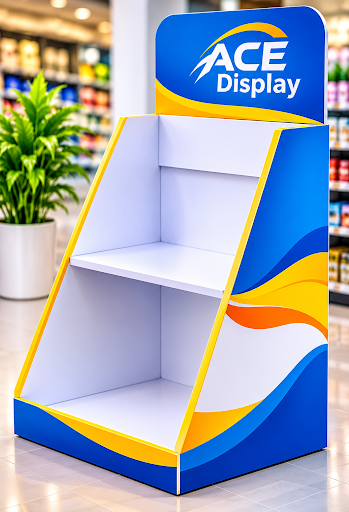
Retail shelves are crowded, and shoppers decide quickly. Brands need a way to stand out without spending a fortune on permanent fixtures. Cardboard displays, packaging, shelves, and racks have become one of the most flexible answers. They are lightweight, printable, recyclable, and easy to customize for almost any product category. This article explains what cardboard displays are, why they work, and how to choose the right format for your products.
What Makes Cardboard Displays a Smart Retail Solution
Cardboard displays are structures made from corrugated board or solid fiberboard, designed to hold, present, and promote products in stores, exhibitions, and promotional events. Companies such as ACE Display design and manufacture these structures for brands that want strong visibility at the point of sale. A well built cardboard display can carry a lot of weight, support full color graphics, and be assembled in minutes without special tools.
The appeal comes from a few clear advantages. Cardboard is far cheaper than metal, wood, or acrylic, so brands can run short term campaigns without a heavy investment. It ships flat, which cuts freight costs and saves warehouse space. It is also recyclable, which matters more each year as retailers and shoppers pay closer attention to environmental impact.
Cardboard Packaging That Does More Than Protect
Packaging is often the first point of contact between a product and a customer. Cardboard packaging protects goods during transport, but it also acts as a silent salesperson on the shelf. Printed boxes, sleeves, and cartons can show brand colors, product benefits, and usage instructions in a single glance.
Shelf ready packaging has become especially popular. These are cartons designed to go straight from the delivery truck to the sales floor. Staff can tear off a perforated panel and place the box on the shelf, which saves labor and keeps products neatly arranged. For manufacturers, this means faster restocking and fewer damaged goods. For retailers, it means cleaner shelves and quicker turnaround.
Good packaging design also considers the full journey of the product. Strength, stacking ability, moisture resistance, and print quality all need balancing so the packaging looks good and performs well from the factory to the customer.
Display Shelves for Organized Product Presentation
Display shelves made from cardboard give brands a structured way to show several products at once. They can be built as countertop units, wall mounted units, or freestanding pieces with multiple tiers. Each shelf can be sized to the product, whether that is cosmetics, snacks, electronics accessories, or stationery.
A few design points make cardboard shelves more effective. Shelf depth and spacing should match the product dimensions so items sit securely and remain easy to reach. Angled shelves help shoppers see the front of each package. Header cards, called toppers, allow bold branding above the products. Reinforced edges and internal supports keep the structure stable even when fully loaded.
Because these shelves are printed, they can also tell a story. Seasonal themes, new product launches, and limited edition offers can all be reflected in the artwork, giving the display a fresh look for each campaign.
Display Racks and Floor Units for High Impact Visibility
When a brand wants to make a stronger statement, larger formats come into play. A Custom Cardboard Floor Display can be placed in an aisle, near an entrance, or at the end of a shelf run to capture attention from a distance. These units are often built as pallet displays, tower racks, or multi tier stands, and they can hold a substantial amount of stock. That means fewer refills and a more consistent presence on the sales floor.
Floor displays suit promotions, product launches, and seasonal pushes. Their size allows for large graphics, headers, and side panels, turning one product line into a mini brand zone. Many designs include hooks, pockets, or trays so different product types can be shown together. Since they are made to order, dimensions, structure, and print can be tailored to the store layout and the product weight.
Retailers also benefit. Cardboard floor units are quick to set up and easy to remove once the campaign ends, so they do not tie up floor space for long periods.
How to Choose the Right Cardboard Display
Selecting the right display starts with a few practical questions. What is the weight and size of the product? Where will the display be placed, and how much space is available? How long will the promotion run? Answering these helps decide between a countertop unit, a shelf, a rack, or a full floor display.
Material strength is the next consideration. Single wall, double wall, and heavy duty corrugated boards offer different load capacities, so the board grade should match the product load. Print quality matters too. Offset printing delivers sharp, consistent color for large runs, while digital printing suits shorter runs and quick design changes.
It also helps to consider assembly. A good display should be simple enough for store staff to set up without training. Clear instructions, tab and slot construction, and flat pack delivery all make the process smoother. Finally, think about sustainability. Choosing recyclable board and water based inks supports environmental goals and can improve how a brand is perceived.
Conclusion
Cardboard displays, packaging, shelves, and racks offer a balanced mix of affordability, flexibility, and visual impact. They help products stand out in busy retail spaces, reduce handling costs, and support environmentally conscious practices. Whether a brand needs shelf ready cartons, a compact countertop shelf, or a large floor unit, cardboard can be shaped to fit the job. By matching the structure, material, and artwork to the product and the setting, businesses can turn simple corrugated board into an effective sales tool. For more details on available designs and solutions, visit https://www.aceposdisplay.com.